7 Surprising Benefits of Vitamin B12 in Curd for Skin
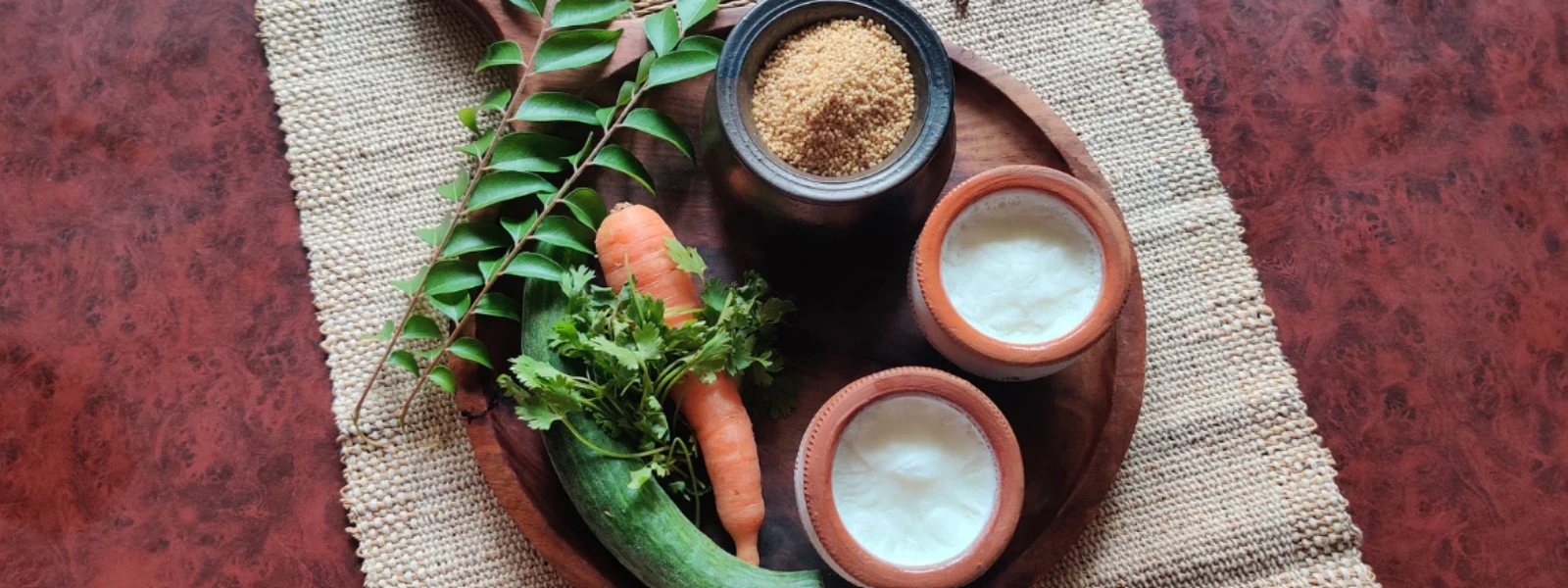


Did you know that the humble bowl of curd sitting in your refrigerator could be your skin's best-kept secret? While most people reach for expensive serums and treatments, the answer to radiant skin might be hiding in this everyday dairy staple. Vitamin B12 in curd offers remarkable benefits that go far beyond basic nutrition, creating a powerful foundation for healthy, glowing skin from the inside out.
This essential vitamin, combined with curd's natural probiotic properties, creates a unique synergy that supports skin health in ways you might never have imagined. From cellular regeneration to natural hydration, the benefits of Vitamin B12 in curd extend well beyond what meets the eye.
Curd stands out as an exceptional source of Vitamin B12, containing approximately 0.2 to 0.9 micrograms per 100 grams. This might seem modest, but the bioavailability of Vitamin B12 in curd is remarkably high due to the fermentation process that creates this dairy product.
The fermentation process that transforms milk into curd actually enhances the production and absorption of Vitamin B12. Beneficial bacteria involved in fermentation can synthesize additional B12, making curd with Vitamin B12 more potent than many other dairy sources. This natural process ensures that the vitamin remains in a highly bioactive form that your body can easily utilize.
Compared to other dairy products, curd containing Vitamin B12 offers unique advantages. The live cultures present in fresh curd not only support digestive health but also enhance the absorption of nutrients, including B12. This makes curd as a source of Vitamin B12 particularly valuable for vegetarians who may have limited options for this essential nutrient.
Did You Know?
The live probiotics in curd can actually help your body produce additional Vitamin B12 in your gut, creating a dual benefit for both skin health and overall wellness.
Vitamin B12 plays a crucial role in DNA synthesis and cellular division, making it essential for skin cell regeneration. When you consume Vitamin B12 rich curd regularly, you're providing your skin cells with the building blocks they need for optimal renewal.
This enhanced cellular turnover helps reduce the appearance of fine lines, scars, and other signs of skin damage. The skin benefits of Vitamin B12 in curd become particularly evident over time as your skin develops a more youthful, refreshed appearance through improved cell regeneration cycles.
One of the most remarkable benefits involves B12's ability to regulate melanin production. Vitamin B12 helps balance the enzymes responsible for melanin synthesis, which can lead to more even skin tone and reduced hyperpigmentation.
Regular consumption of curd and Vitamin B12 for skin health can help fade dark spots, age spots, and other forms of discoloration. This natural brightening effect occurs gradually, providing sustainable improvements without harsh chemicals or treatments.
Vitamin B12 supports the skin's natural moisture barrier function, helping to lock in hydration at the cellular level. Combined with curd's natural moisturizing properties, this creates a powerful hydration system for your skin.
The proteins and fats in curd work alongside B12 to strengthen the skin barrier, reducing water loss and maintaining optimal moisture levels. This makes curd for skin health particularly beneficial for those dealing with dry or dehydrated skin conditions.
The anti-inflammatory properties of Vitamin B12 help calm irritated skin and reduce redness. This vitamin supports the skin's natural healing processes, making it easier for your skin to recover from environmental stressors, minor injuries, or inflammatory conditions.
Using curd with Vitamin B12 as part of your daily routine can help maintain a calmer, more balanced complexion by supporting your skin's natural defense mechanisms against inflammation.
Vitamin B12 supports the synthesis of amino acids necessary for collagen production. Collagen is the protein responsible for skin elasticity, firmness, and youthful appearance. By ensuring adequate B12 intake through curd consumption, you're supporting your skin's natural collagen production processes.
This benefit becomes increasingly important with age, as natural collagen production typically declines over time. The consistent intake of Vitamin B12 in dairy products like curd can help maintain skin structure and reduce the formation of wrinkles.
B12 deficiency often manifests as pale, dull-looking skin. By maintaining optimal B12 levels through curd consumption, you support healthy blood circulation and oxygen delivery to skin cells. This improved circulation contributes to a natural, healthy glow that comes from within.
The combination of improved circulation, enhanced cellular function, and better nutrient delivery creates the foundation for naturally radiant skin that doesn't rely on external products alone.
Vitamin B12 plays a vital role in supporting liver function and the body's natural detoxification pathways. When your body can effectively eliminate toxins, your skin reflects this internal health with fewer breakouts, reduced congestion, and clearer complexion.
The probiotics in curd work synergistically with B12 to support digestive health, which directly impacts skin clarity. A healthy gut-skin connection is essential for maintaining clear, healthy-looking skin.
To maximize the benefits of Vitamin B12 in curd, consume it fresh and avoid heating, which can destroy some of the vitamin content. Pairing curd with Vitamin C-rich foods like citrus fruits or berries can enhance absorption and provide additional antioxidant benefits for skin health.
For optimal skin benefits, aim for 100-150 grams of fresh curd daily. This amount provides a good source of B12 while also delivering beneficial probiotics and other nutrients. Consuming curd between meals or as part of breakfast can help maintain steady nutrient levels throughout the day.
Beyond eating plain curd, you can incorporate it into smoothies, lassi, or use it as a base for healthy salad dressings. Adding fruits rich in Vitamin C or antioxidants can create synergistic effects that enhance both taste and skin benefits.
Fresh curd can also be applied topically as a gentle face mask. The lactic acid in curd provides mild exfoliation, while the proteins and fats offer moisturizing benefits. Always use fresh, plain curd for topical applications and perform a patch test first.
Vegetarians often face challenges in obtaining adequate B12, making curd an excellent dietary choice. The bioavailable form of B12 in curd can help prevent deficiency-related skin issues that are more common in plant-based diets.
As we age, both B12 absorption and skin cell regeneration naturally decline. Regular consumption of curd can help address both concerns simultaneously, supporting both nutritional needs and skin health goals.
Most skin types can benefit from the gentle, nourishing properties of curd. However, those with severe dairy allergies should exercise caution and consult healthcare providers before incorporating curd into their routine.
While curd contains bioavailable Vitamin B12, it should be part of a balanced diet rather than the sole source. The amount varies depending on the fermentation process and milk source, so combining it with other B12 sources ensures adequate intake.
For optimal skin benefits, 100-150 grams of fresh curd daily is generally recommended. This amount provides beneficial probiotics and a moderate amount of Vitamin B12 without excessive caloric intake.
While topical application of curd can provide moisturizing and gentle exfoliating benefits, Vitamin B12 is primarily absorbed through digestion. External application offers different benefits than internal consumption.
Fresh curd is generally safe for most people. However, those with lactose intolerance or dairy allergies should avoid it. Some people may experience digestive discomfort if consuming large quantities suddenly.
Skin improvements from consistent curd consumption typically become noticeable after 4-6 weeks of regular intake. However, individual results may vary based on overall diet, skin type, and existing nutritional status.
The surprising benefits of Vitamin B12 in curd extend far beyond basic nutrition, offering a natural, accessible approach to supporting skin health from within. From accelerating cellular regeneration to providing deep hydration and reducing inflammation, this everyday dairy product contains remarkable skin-supporting properties that many overlook. By incorporating fresh curd into your daily routine, you're not just nourishing your body but also investing in long-term skin health and natural radiance. Consider exploring comprehensive approaches to skin wellness that combine proper nutrition with targeted supplementation for optimal results.




Someone sent you
Powered by ReferRush


