Essential Checklist: Boost Iron Intake Naturally
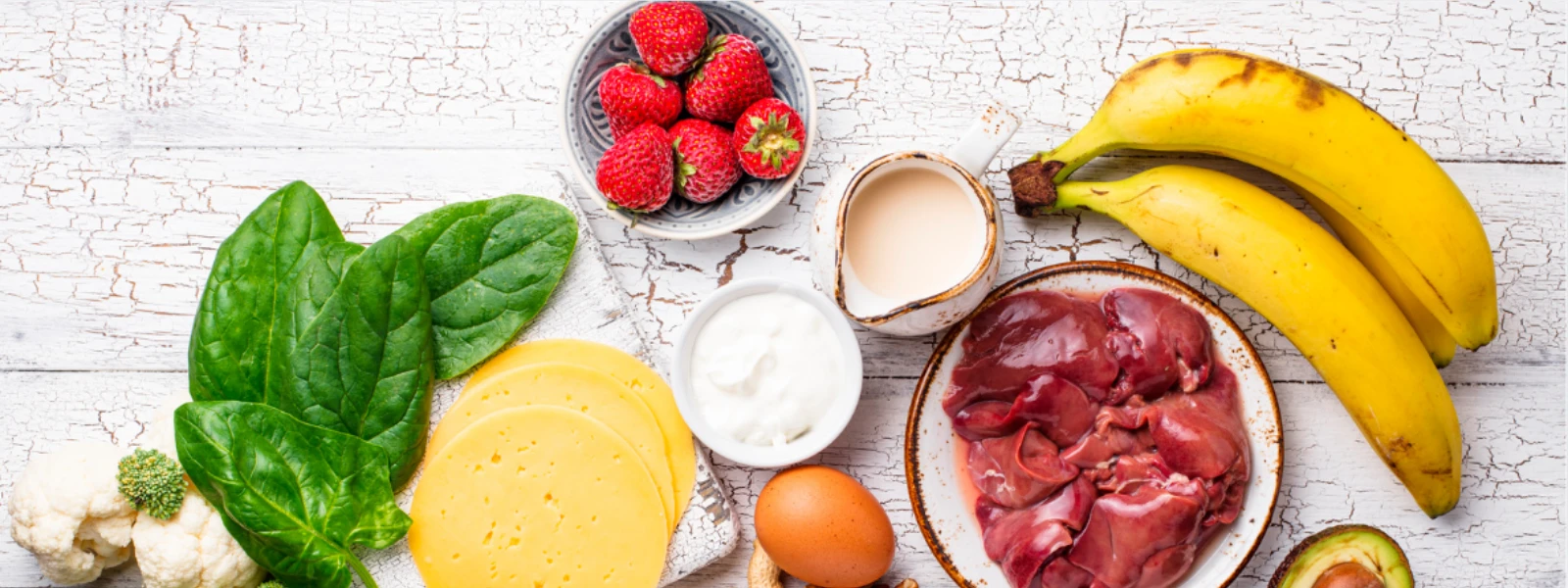


Your skin tells a story about your health, and when iron levels drop, that story often includes pale complexion, dark under-eye circles, and brittle nails. Iron deficiency affects nearly 25% of the global population, making it one of the most common nutritional deficiencies worldwide. Yet many people don't realize that the solution lies not in expensive treatments, but in understanding which iron like food sources can naturally restore their vitality and glow.
This comprehensive guide will walk you through a science-backed approach to boosting your iron intake through strategic food choices. You'll discover which foods pack the most absorbable iron, how to maximize absorption, and create a sustainable eating plan that supports both your energy levels and skin health.
Iron plays a crucial role far beyond preventing anemia. This essential mineral supports oxygen transport throughout your body, including to your skin cells. When iron levels drop, your skin often shows the first signs of deficiency.
The connection between iron and skin health runs deeper than surface appearance. Iron supports collagen synthesis, the protein responsible for skin elasticity and strength. Without adequate iron, collagen production slows down, leading to premature aging signs like fine lines and dull complexion.
Common signs that your body needs more iron include:
Pale skin, especially around the eyes and inner eyelids
Dark circles under the eyes
Brittle or spoon-shaped nails
Unusual fatigue and weakness
Cold hands and feet
Strange cravings for non-food items like ice or starch
Research shows that women aged 18-44 are particularly susceptible to iron deficiency due to menstrual blood loss. In urban areas like Mumbai, Delhi, and Bengaluru, busy lifestyles often lead to poor dietary choices that compound this issue.
Understanding the difference between iron sources helps you make smarter food choices. Your body absorbs iron from animal sources more efficiently than plant sources, but both play important roles in a balanced diet.
Animal-based iron rich foods contain heme iron, which your body absorbs at rates of 15-35%. These iron sources food options provide the most bioavailable form of this essential mineral:
Red meat tops the list with beef liver containing an impressive 18mg of iron per 100g serving. Lean beef and lamb provide 2-3mg per serving while being excellent sources of protein and Vitamin b12.
Poultry offers moderate iron content, with chicken liver providing 11mg per 100g. Regular chicken and turkey contain 1-2mg per serving, making them accessible options for daily meals.
Seafood delivers both iron and omega-3 fatty acids. Oysters lead with 7mg per 100g, while sardines, tuna, and salmon provide 1-3mg per serving. These foods high in iron for skin also support overall skin health through their healthy fat content.
Plant-based iron boosting foods require strategic pairing for optimal absorption, but they offer additional benefits like fiber, antioxidants, and phytonutrients.
Leafy greens provide concentrated nutrition in every bite. Spinach contains 3.6mg per cooked cup, while Swiss chard and kale offer 2-4mg per serving. These vegetables also supply folate and Vitamin C.
Legumes serve as protein and iron powerhouses. Lentils provide 6.6mg per cooked cup, while chickpeas and black beans offer 3-4mg per serving. These versatile ingredients work well in Indian cuisine favorites like dal and rajma.
Fortified cereals can provide up to 18mg of iron per serving, though absorption varies. Look for whole grain options that also provide B vitamins and fiber.
Did You Know?
Cooking in cast iron cookware can increase the iron content of your food by up to 16 times, especially when preparing acidic foods like tomato sauce. This simple kitchen swap can significantly boost your daily iron intake without changing your diet.
The key to effective iron intake lies not just in choosing iron absorption foods, but in understanding how to combine them strategically. Your body's ability to absorb iron depends heavily on what else you eat during the same meal.
Vitamin C acts as iron's best friend, converting iron into a more absorbable form. Citrus fruits, bell peppers, strawberries, and tomatoes can double or triple iron absorption when eaten together with iron-rich foods.
Smart combinations include:
Spinach salad with orange segments
Lentil curry with tomatoes and bell peppers
Iron-fortified cereal with strawberries
Grilled chicken with roasted red peppers
Cooking methods also influence iron availability. Soaking beans and lentils before cooking reduces compounds that inhibit iron absorption. Fermenting grains and using sprouted versions can increase iron bioavailability by up to 300%.
The timing of your meals matters too. Eating foods to improve iron levels on an empty stomach increases absorption, though this may cause stomach upset in sensitive individuals. If you experience discomfort, take iron-rich foods with a small amount of Vitamin C-rich food.
Creating a sustainable diet for iron requires planning meals that naturally incorporate iron-rich ingredients throughout the day. This approach ensures steady iron intake while maintaining variety and flavor.
Start your day with iron-fortified cereal topped with sliced strawberries, or try scrambled eggs with spinach and tomatoes. These breakfast combinations provide both heme and non-heme iron with absorption enhancers.
Lunch options should focus on legume-based dishes paired with Vitamin C sources. A chickpea salad with bell peppers and lemon dressing, or lentil soup with tomatoes provides substantial iron while keeping you satisfied.
Dinner can feature lean meat or fish with iron-rich vegetables. Grilled salmon with sautéed spinach, or chicken curry with fortified rice creates a complete iron-boosting meal.
Between meals, choose snacks that contribute to your daily iron goals. Pumpkin seeds provide 4mg per quarter cup, while dried apricots offer 1mg per serving along with natural sweetness.
Trail mix combining nuts, seeds, and dried fruits creates a portable iron source. Hummus with bell pepper strips provides plant-based iron with absorption-enhancing Vitamin C.
Understanding what inhibits iron absorption helps you time your meals strategically. Certain compounds can reduce iron absorption by up to 90%, making timing crucial for maximizing your foods for iron deficiency efforts.
Calcium competes with iron for absorption. While both minerals are essential, avoid taking calcium supplements or eating calcium-rich foods like dairy products within two hours of iron-rich meals.
Coffee and tea contain tannins that bind to iron, preventing absorption. Wait at least one hour after eating iron-rich foods before enjoying your favorite beverage. Green tea has lower tannin content than black tea, making it a better choice if you can't avoid tea entirely.
Whole grains contain phytates that can inhibit iron absorption. However, the benefits of whole grains outweigh this concern. Soaking grains before cooking or choosing fermented grain products reduces phytate content.
Some medications, particularly antacids and proton pump inhibitors, can interfere with iron absorption by changing stomach acid levels. If you take these medications regularly, discuss timing with your healthcare provider.
While supplements offer concentrated iron doses, food sources provide additional nutrients that support overall health. Iron food sources come packaged with complementary nutrients like Vitamin C, B vitamins, and protein that enhance absorption and utilization.
Food-based iron rarely causes the digestive upset common with supplements. The gradual release of iron from food allows for better tolerance and more consistent absorption throughout the day.
However, severe iron deficiency may require supplementation under medical supervision. Food sources work best for prevention and mild deficiencies, while supplements address more serious shortfalls more quickly.
The cost-effectiveness of food sources often exceeds supplements when you consider the additional nutritional value. A serving of lentils provides iron, protein, fiber, and folate for a fraction of the cost of iron supplements.
Mild iron deficiency typically improves within 2-4 weeks of consistent dietary changes, though severe deficiency may take 2-3 months to resolve. Your body's iron stores replenish gradually, so patience and consistency are key to seeing lasting results.
Lentils, spinach, quinoa, pumpkin seeds, and fortified cereals provide excellent iron sources for vegetarians. Pairing these with Vitamin C-rich foods like citrus fruits, tomatoes, or bell peppers significantly enhances absorption rates.
Iron toxicity from food sources alone is extremely rare in healthy individuals. Your body naturally regulates iron absorption from food, reducing uptake when stores are adequate. However, people with hereditary hemochromatosis should monitor iron intake carefully.
Animal-based foods like liver, red meat, and seafood contain heme iron, which is most easily absorbed. Among plant sources, iron-fortified cereals and legumes paired with Vitamin C sources offer the best absorption rates.
Increased energy levels, improved skin color, and stronger nails typically appear within 2-4 weeks of improved iron intake. Blood tests measuring ferritin and hemoglobin levels provide the most accurate assessment of iron status improvement.
Boosting your iron intake naturally requires understanding both the best food sources and how to maximize their absorption. By incorporating a variety of iron-rich foods, timing your meals strategically, and avoiding absorption inhibitors, you can effectively address iron deficiency while supporting overall health and skin vitality. Remember that consistency matters more than perfection – small daily improvements in your food choices can lead to significant health benefits over time. Consider exploring comprehensive nutrition support that addresses multiple aspects of health, including skin health and overall wellness, as part of your journey toward optimal nutrition.




Someone sent you
Powered by ReferRush


