How to Get Enough Vitamin B6 on a Vegetarian Diet
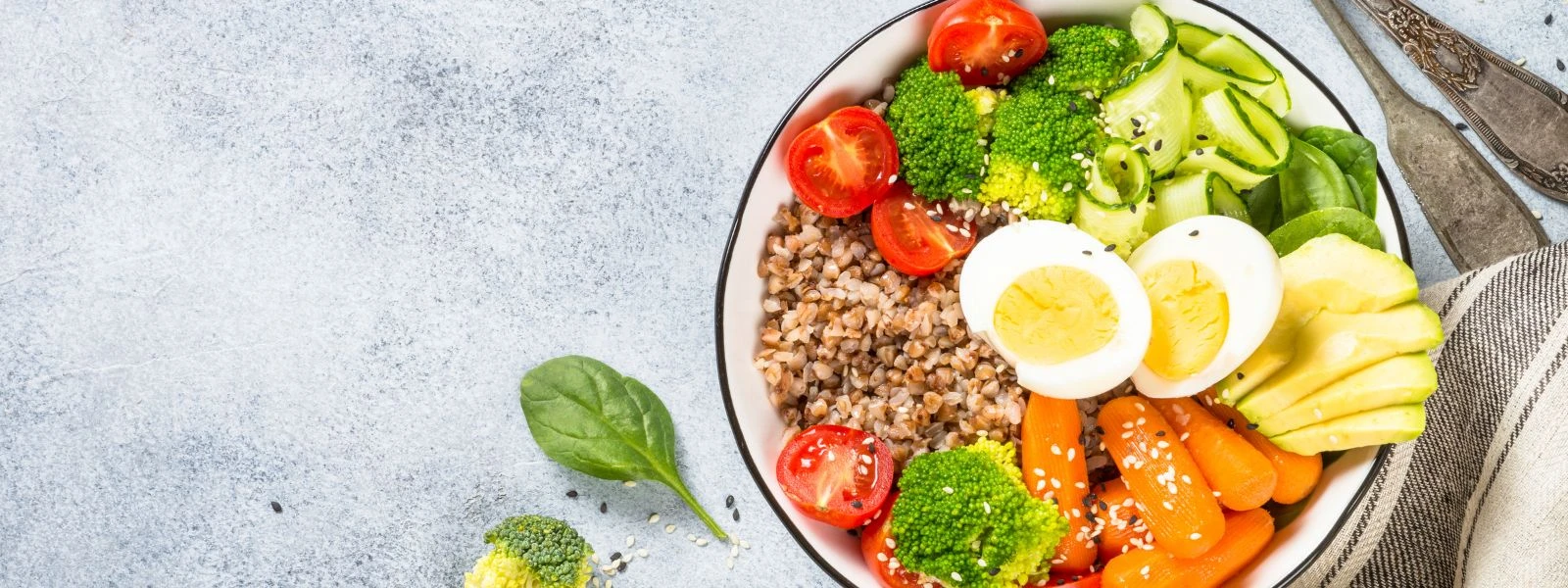


Vitamin B6 plays a crucial role in maintaining optimal health, especially for skin beauty and overall wellness. This essential nutrient supports protein metabolism, neurotransmitter production, and collagen synthesis, making it particularly important for those following a vegetarian lifestyle. While many people worry about getting adequate nutrition on plant-based diets, the truth is that numerous vitamin B6 foods vegetarian options can easily meet your daily requirements.
Vegetarians face unique nutritional considerations, but with proper planning and knowledge, obtaining sufficient Vitamin B6 becomes straightforward. This comprehensive guide will explore the best plant-based sources, address common concerns about deficiency, and provide practical strategies for optimizing your B6 intake while supporting your skin health and overall wellness goals.
Vitamin B6, scientifically known as pyridoxine, serves multiple functions in the human body. It acts as a coenzyme in over 100 enzymatic reactions, primarily involving protein and amino acid metabolism. For vegetarians, this becomes particularly significant since plant-based proteins require efficient processing to maximize their nutritional benefits.
The nutrient also plays a vital role in neurotransmitter synthesis, including serotonin and dopamine, which affect mood and cognitive function. Additionally, Vitamin B6 supports immune system function and helps maintain healthy blood glucose levels, making it essential for overall wellness.
The relationship between B6 vitamin for skin health extends beyond basic nutrition. This vitamin supports collagen production, the protein responsible for skin elasticity and firmness. When B6 levels remain adequate, your skin benefits from improved texture, reduced inflammation, and better wound healing capacity.
Research indicates that B6 deficiency skin issues can manifest as dermatitis, cracked lips, and increased susceptibility to skin infections. By maintaining optimal B6 levels through vegetarian sources, you're supporting your skin's natural repair mechanisms and promoting a healthy, radiant complexion.
Legumes represent some of the most reliable vegetarian B6 sources available. Chickpeas lead this category, providing approximately 1.1 milligrams of Vitamin B6 per cup when cooked. This represents about 65% of the daily recommended intake for adults.
Lentils offer another excellent option, delivering roughly 0.5 milligrams per cup. Red kidney beans, black beans, and navy beans also contribute significant amounts of B6 while providing fiber, protein, and other essential nutrients. These legumes work particularly well in soups, stews, salads, and as meat substitutes in various dishes.
To maximize nutrient absorption from legumes, consider soaking dried varieties overnight before cooking. This process reduces cooking time and may improve digestibility, allowing your body to better utilize the B6 content.
Among best vegan B6 foods, certain nuts and seeds stand out for their exceptional nutrient density. Pistachios top this category, providing about 0.5 milligrams of Vitamin B6 per quarter-cup serving. Sunflower seeds follow closely, offering approximately 0.4 milligrams per quarter-cup.
Sesame seeds, whether consumed whole or as tahini, contribute meaningful amounts of B6 along with healthy fats and minerals. Walnuts, almonds, and cashews also provide moderate B6 levels while supporting overall nutritional diversity in vegetarian diets.
Did You Know?
Raw nuts and seeds retain higher levels of Vitamin B6 compared to roasted varieties. Heat processing can reduce B6 content by up to 15%, so choosing raw options when possible maximizes your nutrient intake.
Vegetables form the foundation of any B6 rich plant-based diet, offering diverse options for meeting daily requirements. Spinach leads among leafy greens, providing approximately 0.4 milligrams per cup when cooked. The cooking process actually concentrates the nutrients, making cooked spinach more B6-dense than raw varieties.
Potatoes, including sweet potatoes, represent excellent sources of Vitamin B6. A medium baked potato with skin provides about 0.6 milligrams, while sweet potatoes offer similar amounts along with beta-carotene and fiber. These versatile vegetables can be prepared in countless ways while maintaining their nutritional value.
Bell peppers, particularly red varieties, contribute meaningful B6 amounts while adding vibrant color and flavor to meals. Carrots, both raw and cooked, provide moderate B6 levels along with vitamin A precursors that support skin health.
Broccoli, cauliflower, and Brussels sprouts from the cruciferous family offer B6 along with compounds that support detoxification processes. These vegetables work well steamed, roasted, or incorporated into stir-fries and casseroles.
Fruits provide convenient, naturally sweet options for increasing B6 intake. Bananas stand out as perhaps the most accessible fruit source, with one medium banana providing approximately 0.4 milligrams of Vitamin B6. Their portability and natural sweetness make them ideal for snacks or smoothie ingredients.
Avocados offer another excellent choice, delivering about 0.3 milligrams per medium fruit along with healthy monounsaturated fats that support nutrient absorption. The creamy texture and mild flavor of avocados make them versatile additions to both sweet and savory dishes.
Oranges, papayas, and cantaloupe provide moderate B6 amounts while contributing vitamin C and other antioxidants that work synergistically to support skin health and immune function. Dried fruits like prunes and raisins concentrate B6 content but should be consumed in moderation due to their higher sugar content.
Nutritional yeast deserves special mention among B6 rich vegetarian meals ingredients. This deactivated yeast provides a nutty, cheese-like flavor while delivering substantial B6 amounts. Just two tablespoons can provide up to 2 milligrams of Vitamin B6, easily meeting daily requirements.
Many breakfast cereals and grain products are fortified with B vitamins, including B6. When choosing fortified foods, read labels carefully to understand the actual B6 content and avoid products with excessive added sugars or artificial ingredients.
While whole food sources should be prioritized, B6 supplements for vegans may be appropriate in certain situations. Individuals with absorption issues, those following very restrictive diets, or people with increased needs due to pregnancy or medical conditions might benefit from supplementation.
The recommended daily allowance for Vitamin B6 varies by age and life stage, ranging from 1.3 milligrams for adults under 50 to 1.7 milligrams for older adults. Before starting any supplement regimen, consulting with a healthcare provider ensures appropriate dosing and prevents potential interactions.
Understanding the signs of B6 deficiency helps vegetarians maintain optimal health. Early symptoms may include fatigue, irritability, and changes in mood or cognitive function. As deficiency progresses, more noticeable signs can appear, including skin issues and compromised immune function.
The connection between B6 benefits for skin becomes evident when examining deficiency symptoms. Inadequate B6 can lead to seborrheic dermatitis, characterized by scaly, itchy patches particularly around the nose, eyebrows, and ears. Cracked, sore lips and a swollen tongue may also indicate insufficient B6 intake.
Vitamin B6 supports collagen synthesis by facilitating amino acid metabolism necessary for collagen formation. This process becomes particularly important for maintaining skin elasticity, reducing fine lines, and supporting wound healing. When combined with adequate protein intake from vegetarian sources, B6 helps optimize the body's ability to produce and maintain healthy collagen structures.
Regular consumption of B6 rich plant-based foods supports not only immediate skin health but also long-term aging prevention. The anti-inflammatory properties of many B6-rich plant foods provide additional benefits for maintaining clear, healthy skin.
Optimizing B6 absorption involves understanding how this water-soluble vitamin behaves in the body. Unlike fat-soluble vitamins, B6 isn't stored long-term, making consistent daily intake important for maintaining adequate levels.
Cooking methods significantly impact B6 retention in foods. Steaming and microwaving preserve more B6 compared to boiling, where nutrients can leach into cooking water. When boiling vegetables, consider using the cooking water in soups or sauces to recapture lost nutrients.
Combining B6-rich foods with other nutrients can enhance absorption and utilization. Magnesium acts as a cofactor for many B6-dependent enzymes, making foods rich in both nutrients particularly beneficial. Zinc also supports B6 metabolism, suggesting that varied, nutrient-dense meals optimize overall vitamin utilization.
Yes, vegetarians can definitely meet their Vitamin B6 requirements through diverse plant-based foods. Legumes, nuts, seeds, vegetables, and fruits provide abundant B6 when consumed as part of a varied diet. Planning meals that include multiple B6 sources throughout the day ensures adequate intake without requiring supplements for most healthy individuals.
Steaming, microwaving, and quick sautéing preserve the most Vitamin B6 in vegetables. These methods minimize nutrient loss compared to prolonged boiling or high-heat roasting. When boiling is necessary, using minimal water and incorporating the cooking liquid into your meal helps retain nutrients that may have leached out during cooking.
With consistent dietary improvements, mild B6 deficiency symptoms typically begin improving within 2-4 weeks. Skin health improvements may take longer, as cellular regeneration and collagen production require time. Severe deficiencies may need medical supervision and longer recovery periods, emphasizing the importance of maintaining adequate intake through preventive nutrition.
While no common plant foods significantly inhibit B6 absorption, excessive alcohol consumption can interfere with B6 metabolism. Some raw foods contain compounds that may slightly reduce B6 bioavailability, but cooking typically eliminates these concerns. Overall, a diverse vegetarian diet provides excellent B6 absorption when foods are properly prepared.
Vitamin B6 requirements do increase slightly with higher protein consumption since B6 plays a crucial role in protein metabolism. However, many high-protein plant foods like legumes and nuts also provide substantial B6 amounts, naturally balancing this increased need. Vegetarians consuming varied, protein-rich plant foods typically meet both their protein and B6 requirements simultaneously.
Meeting Vitamin B6 requirements on a vegetarian diet is entirely achievable through thoughtful food choices and meal planning. The abundance of plant-based B6 sources, from legumes and nuts to vegetables and fruits, provides numerous delicious options for maintaining optimal health. By understanding which foods provide the highest B6 content and how to prepare them for maximum nutrient retention, vegetarians can easily support their skin health, immune function, and overall wellness. Regular consumption of diverse B6-rich plant foods not only meets nutritional needs but also contributes to a vibrant, healthy lifestyle that supports both immediate well-being and long-term health goals.




Someone sent you
Powered by ReferRush


