What Happens to Your Hair When You’re Stressed?
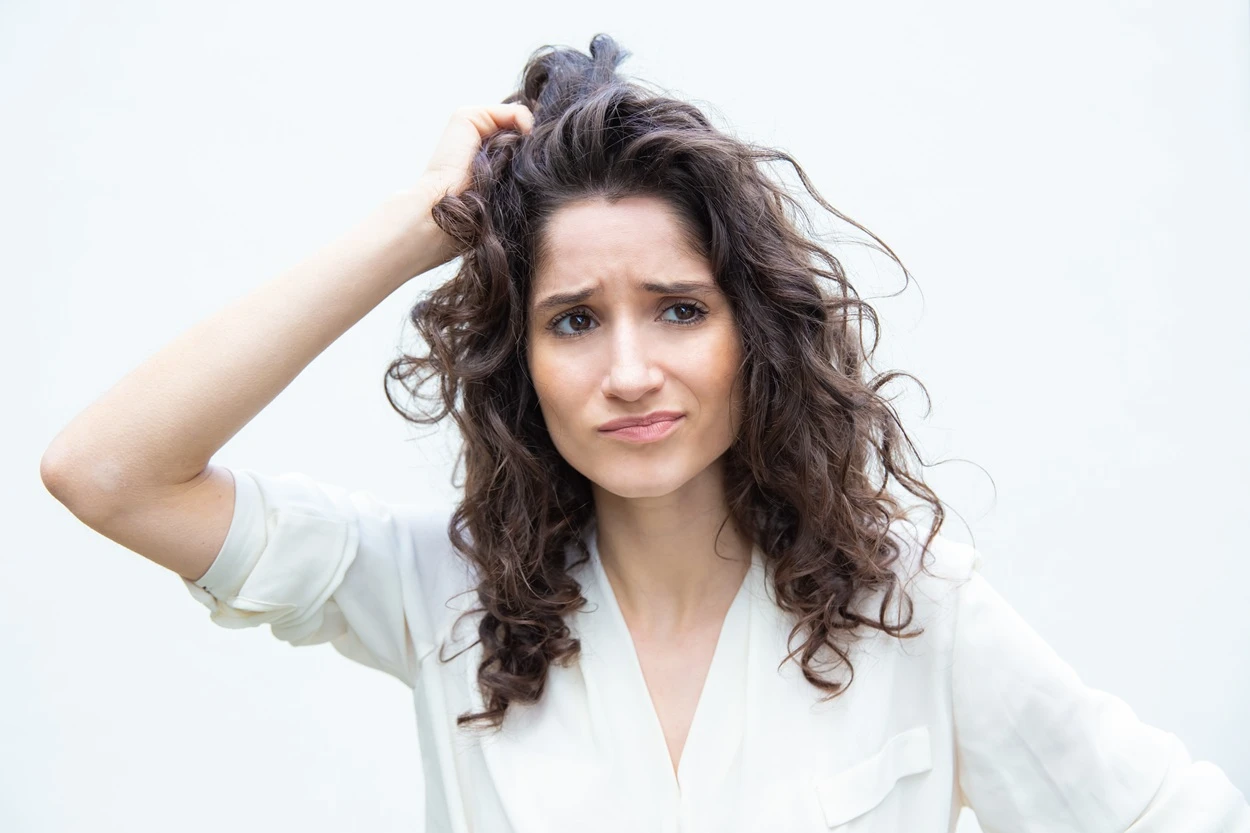


Have you ever noticed your hairbrush collecting more strands than usual during particularly stressful periods? You're not alone. The connection between stress and hair health is more profound than many realize, with scientific research revealing that psychological and physical stress can trigger various forms of hair loss and compromise overall hair growth. This comprehensive guide explores the intricate relationship between stress hormones and your hair follicles, examining how chronic stress disrupts the natural hair growth cycle and impacts scalp health. By understanding these mechanisms, you'll learn evidence-based healthy hair tips to protect your locks during challenging times and discover practical strategies to maintain optimal hair health even when life becomes overwhelming.
The hair growth cycle consists of three distinct phases: anagen (growth), catagen (transition), and telogen (resting). During normal circumstances, approximately 85-90% of your hair follicles remain in the active growth phase, producing strong, healthy strands. However, when stress hormones like cortisol flood your system, they can prematurely push hair follicles from the anagen phase into the telogen phase, effectively shortening the growth period and leading to increased shedding.
Elevated cortisol levels directly impact hair follicle stem cells, reducing their ability to regenerate and maintain healthy hair growth. Research indicates that chronic stress can decrease the production of essential proteins like keratin, which forms the structural foundation of hair strands, resulting in weaker, more brittle hair that's prone to breakage.
Telogen effluvium occurs when significant stress causes a large number of hair follicles to enter the resting phase simultaneously. This condition typically manifests 2-3 months after the stressful event, causing diffuse thinning across the entire scalp rather than localized bald patches.
In some individuals, severe stress can trigger alopecia areata, an autoimmune condition where the immune system mistakenly attacks hair follicles, creating circular patches of hair loss. While genetics play a role, stress often serves as the catalyst for this condition's onset.
This psychological condition involves the compulsive urge to pull out one's own hair as a response to stress, anxiety, or emotional tension. The repetitive pulling can damage hair follicles and create irregular patterns of hair loss.
Chronic stress constricts blood vessels, including those that supply the scalp with essential nutrients and oxygen. This reduced circulation compromises the hair follicles' ability to receive vital nutrients like iron, zinc, and B vitamins, all crucial for maintaining healthy hair growth and scalp health.
Stress triggers inflammatory responses throughout the body, including the scalp. Elevated levels of inflammatory markers can damage hair follicles and disrupt the delicate balance of the scalp microbiome, potentially leading to conditions like seborrheic dermatitis or scalp sensitivity.
Did You Know? Expert Insight
According to dermatological studies, individuals experiencing chronic stress show significantly higher levels of inflammatory cytokines in their scalp tissue compared to those with normal stress levels. This inflammation can extend the telogen phase considerably, significantly impacting overall hair density and growth rate.
Stress doesn't only elevate cortisol; it can also disrupt other hormones crucial for hair health, including thyroid hormones, insulin, and sex hormones like testosterone and estrogen. These imbalances can further compound hair loss issues and affect hair texture and strength.
While losing 50-100 hairs daily is considered normal, stress-related hair loss often involves shedding 200-300 hairs per day. Key warning signs include noticeably thinner ponytails, increased hair on pillows or in shower drains, and visible scalp showing through hair.
Understanding the delayed onset of stress-related hair loss is crucial for proper identification. Most stress-induced hair loss becomes apparent 2-4 months after the triggering event, making it important to consider stressful periods from several months prior when experiencing sudden hair changes.
During stressful times, your body's nutritional demands increase significantly. Focus on consuming adequate protein (aim for 1.2-1.6 grams per kilogram of body weight), iron-rich foods, and essential vitamins like Vitamin D, Vitamin B12, and biotin to support healthy hair growth. When choosing nutritional supplements to support hair health, look for products with superior ingredients, highly absorbable formats, palatable flavors to ensure consistent daily intake and maximum beneficial impact.
Implementing stress-reduction practices like meditation, regular exercise, and adequate sleep (7-9 hours nightly) can help regulate cortisol levels and improve overall hair health. Studies show that individuals who practice mindfulness meditation demonstrate measurably lower cortisol levels and improved hair growth markers.
When experiencing stress-related hair changes, adopt gentler hair care routines. Use sulfate-free shampoos, minimize heat styling, avoid tight hairstyles that create tension, and consider silk pillowcases to reduce friction-related breakage.
Dermatologists may recommend treatments like minoxidil for pattern hair loss, corticosteroid injections for alopecia areata, or prescription medications to address underlying hormonal imbalances contributing to hair loss.
Professional scalp treatments, including microneedling, low-level laser therapy, and platelet-rich plasma (PRP) treatments, can help stimulate blood flow and encourage hair follicle regeneration in cases of stress-related hair loss.
Telogen effluvium typically resolves within 6-12 months once stress levels normalize, while alopecia areata may take longer and sometimes requires ongoing treatment. The key is addressing both the underlying stress and supporting the hair's natural recovery process.
Age, overall health, nutritional status, and the severity and duration of stress all impact how quickly hair recovers. Younger individuals with good overall health typically see faster recovery, while those with underlying health conditions may require longer healing periods.
Develop consistent daily habits that support both stress management and hair health, including regular scalp massage, balanced nutrition, hydration, and protective styling techniques that minimize mechanical stress on hair strands.
Optimize your environment for hair health by using a humidifier to prevent dry air, choosing appropriate water temperature for washing, and creating a calming bedtime routine that promotes quality sleep essential for hair regeneration.
Keep a hair health journal tracking shedding patterns, stress levels, dietary changes, and any treatments you're using. This documentation helps identify what works best for your individual situation and provides valuable information for healthcare providers if professional intervention becomes necessary.
Most stress-related hair loss is temporary, particularly telogen effluvium, which typically resolves once stress levels normalize and proper care is implemented. However, severe or prolonged stress can sometimes lead to more persistent changes, especially if it triggers autoimmune conditions like alopecia areata or if hair follicles become severely damaged.
While the visible effects of stress on hair typically appear 2-4 months after the stressful event due to the hair growth cycle, some people may notice changes in hair texture or increased breakage within weeks of experiencing significant stress.
In most cases, hair that regrows after stress-related loss returns to its original thickness and texture, provided the underlying stress has been addressed and proper hair care practices are maintained. However, the regrowth process can take 6-12 months or longer.
Both acute severe stress and chronic low-level stress can impact hair health, though the effects may manifest differently. Chronic everyday stress can gradually weaken hair follicles and affect hair quality, while acute stress is more likely to trigger sudden, noticeable hair loss.
Key nutrients for supporting hair health during stress include Vitamin D, Vitamin B12, biotin, iron, zinc, and omega-3 fatty acids. However, it's best to consult with a healthcare provider before starting any supplement regimen, as individual needs vary and some nutrients can be harmful in excess.
The relationship between stress and hair health is complex but well-documented, with chronic stress capable of disrupting every aspect of the hair growth cycle and compromising scalp health. Understanding how cortisol and other stress hormones affect your hair follicles empowers you to take proactive steps in protecting your hair during challenging periods. By implementing evidence-based healthy hair tips, managing stress through proven techniques, and maintaining proper nutrition, you can significantly minimize stress-related hair loss and support your hair's natural recovery process. Remember that while stress-related hair changes can be distressing, most are temporary and reversible with appropriate care and patience. If you're experiencing significant hair loss or changes, consider consulting with healthcare professionals who can provide personalized guidance and treatment options tailored to your specific situation.




Someone sent you
Powered by ReferRush


