Collagen supplements are everywhere right now, from marine collagen powders stirred into smoothies to daily beauty collagen routines promising smoother skin and stronger hair.
But here’s the thing.
Many people start collagen… and then stop before they ever see the real benefits.
Maybe the powder tasted a little too fishy.
Maybe the supplement didn’t dissolve well.
Maybe the ingredient list didn’t look as clean as you expected.
Or maybe you simply thought:
"Is this actually doing anything?"
So, you stopped.
But here’s what most people don’t realize: collagen works slowly. And if you stop too early, especially before 8–12 weeks, you may never reach the point where the benefits actually begin to show.
To understand what happens when you stop collagen supplements, it helps to first understand how collagen works inside the body.
Quit Collagen Too Soon? Here’s What Happens to Your Skin
Collagen is the most abundant structural protein in the body. It forms the framework of:
-
skin
-
connective tissue
-
joints
-
hair and nails
But collagen production doesn’t stay constant forever.
Starting around age 25, natural collagen synthesis begins to gradually decline, often estimated at roughly 1% per year.
Over time, this contributes to visible changes such as:
-
reduced skin elasticity
-
fine lines and wrinkles
-
drier skin
-
slower tissue repair
This is one reason many people begin taking collagen supplements for skin support.
Most supplements contain hydrolyzed collagen peptides, which provide amino acids like glycine, proline, and hydroxyproline — key building blocks involved in collagen production.
But supplementation only works when taken consistently over time.
So, what happens if you stop? Let’s look at the timeline.
Week 1: The Quiet Phase — No Visible Changes Yet
If you stop taking collagen supplements today, your body doesn’t suddenly lose collagen overnight.
Collagen metabolism is slow and continuous. Your body is constantly breaking down and rebuilding collagen fibers.
During the first week, you likely won’t notice any visible differences in:
-
skin hydration
-
hair growth
-
nail strength
This is because collagen peptides consumed in previous weeks are still part of your body’s amino acid pool.
At this stage, your collagen intake simply returns to what you get from food.
However, if you were previously consuming around 5–10 grams daily (a typical collagen dosage), that additional support is now gone.
Week 8: When the Collagen “Glow” Starts Fading
Around the 8-week mark, things may start shifting subtly.
Why? Because collagen turnover in the skin occurs gradually, and fibroblast cells constantly remodel collagen fibers.
Without consistent intake of collagen peptides, the body relies entirely on its natural production, which, as we mentioned, slows with age.
At this stage some people may notice:
-
slightly reduced skin hydration
-
less “plumpness” in the skin
-
subtle dullness in complexion
-
nails that feel a bit more brittle
This doesn’t happen dramatically or overnight. Instead, the skin slowly returns to the condition it would naturally maintain without supplementation.
For people taking glow collagen or beauty collagen formulations, the difference may feel like the skin simply looks a little less radiant than before.
Week 12: The Collagen Boost Wears Off
By about 12 weeks after stopping collagen, most of the benefits that came from consistent supplementation may have gradually faded.
This timeline is important because many clinical studies measuring collagen supplements for skin health also evaluate results at 8–12 weeks.
That’s typically when improvements in skin elasticity and hydration begin to show, which also means it’s the point where stopping supplementation becomes more noticeable.
At this stage, you may observe:
-
reduced skin elasticity
-
slightly deeper fine lines
-
lower skin hydration levels
-
less firmness in the skin
Again, this doesn’t mean collagen supplements permanently changed the skin. Rather, they were supporting the collagen cycle while you were taking them.
Once that support stops, the skin returns to its natural aging trajectory.
Another common question people ask is about collagen timing.
Should collagen be taken in the morning? Before bed? After a workout?
The good news is that timing matters far less than consistency.
Collagen supplements work by providing amino acids that the body can use throughout the day to support connective tissue and skin structure. Because of this, the exact hour you take collagen isn’t as important as taking it regularly over time.
Most people simply build collagen into a routine that fits their lifestyle.
Morning collagen
Often added to coffee, smoothies, or breakfast routines.
Post-workout collagen
Sometimes paired with vitamin C to support connective tissue and recovery.
Evening collagen
Taken as part of a nighttime beauty or wellness ritual.
The key factor isn’t the clock; it’s consistent daily intake over several weeks.
Why Finding the Right Collagen Matters
One reason many people stop collagen supplements too early is that they haven’t found the right product yet.
Common issues include:
-
a strong fishy aftertaste
-
powders that don’t dissolve well
-
products with low collagen dosage
-
unclear or questionable ingredient sourcing
For example, marine collagen derived from fish is often used in skin-focused formulations because it contains high levels of type I collagen, the primary collagen type in skin.
Others may prefer vegan collagen formulations, which use plant-based ingredients, antioxidants, and amino acids to help support the body’s natural collagen production pathways.
Sometimes the issue isn’t collagen itself.
It’s simply finding a formulation that tastes good, mixes easily, and delivers an effective collagen dosage, making it easier to stay consistent long enough to see real results.
So… Should You Stop Taking Collagen?
Stopping collagen supplements won’t harm your body or suddenly erase all the benefits you’ve gained.
But over time, the extra support from collagen peptides gradually fades, and your skin returns to relying solely on its natural collagen production.
A simplified timeline often looks like this:
Week 1: No noticeable changes
Week 8: Skin hydration and radiance may begin returning to baseline
Week 12: Most supplementation benefits gradually fade
Because natural collagen production already begins to slow after age 25, many people choose to support their skin with consistent collagen intake alongside healthy habits like good nutrition, sun protection, and hydration.
And sometimes, the secret isn’t quitting collagen too soon.
It’s simply finding the right collagen and giving it enough time to work its glow.
Frequently asked questions (FAQs)
1. What is collagen, and why do we need it?
Collagen is the most abundant structural protein in the body, supporting skin, joints, hair, nails, and connective tissue. Its production naturally declines with age, starting around 25.
2. What happens immediately after I stop taking collagen supplements?
During the first week, you likely won’t notice any visible changes. Collagen turnover is slow, and the amino acids from previous supplementation remain in your body’s pool.
3. When do the effects of stopping collagen start to show?
Around 8 weeks after stopping, you may notice subtle changes such as slightly reduced skin hydration, less plumpness, duller complexion, or more brittle nails.
4. How long before collagen benefits fully fade after stopping?
By about 12 weeks, most of the visible benefits from supplementation, like improved skin elasticity and hydration, gradually return to baseline.
5. Does stopping collagen supplements harm the body?
No. Stopping won’t cause sudden damage. Your body simply returns to its natural collagen production rate, which slowly declines with age.
6. Does the timing of taking collagen matter?
Not significantly. Consistency is more important than timing. Collagen can be taken in the morning, post-workout, or at night — the key is daily intake.
7. Can I restart collagen supplementation after stopping?
Yes. Resuming supplementation can restore support for skin, hair, nails, and connective tissue. Benefits will again appear over several weeks with consistent intake.
8. Why do some people stop collagen supplements too early?
Common reasons include taste, poor solubility, low dosage, or unclear ingredient sourcing. Stopping before 8–12 weeks may prevent noticeable benefits from appearing.
9. Do vegan collagen products work the same as marine collagen?
Vegan collagen doesn’t contain collagen itself but provides amino acids and nutrients to support the body’s natural collagen production, while marine collagen provides type I collagen directly.
10. How can I maximize collagen benefits?
Consistency, the right product, a balanced diet, hydration, sun protection, and healthy lifestyle habits all help. The right collagen supplement that’s easy to take increases the chance of seeing results.

Recommended Products
 Beauty Collagen Strawberry Watermelon Flavour
₹1,939 – ₹7,196
Beauty Collagen Strawberry Watermelon Flavour
₹1,939 – ₹7,196
 Beauty Korean Marine Collagen Peptides Mango Peach Flavour
₹1,939 – ₹7,196
Beauty Korean Marine Collagen Peptides Mango Peach Flavour
₹1,939 – ₹7,196
 Glow Korean Marine Collagen Peptides with Liposomal Glutathione & Vitamin C | Tropical Bliss Flavour | 250g
₹1,939 – ₹7,196
Glow Korean Marine Collagen Peptides with Liposomal Glutathione & Vitamin C | Tropical Bliss Flavour | 250g
₹1,939 – ₹7,196
 Glow Korean Marine Collagen Peptides with Liposomal Glutathione & Vitamin C | Valencia Orange Flavour | 250g
₹1,939 – ₹7,196
Glow Korean Marine Collagen Peptides with Liposomal Glutathione & Vitamin C | Valencia Orange Flavour | 250g
₹1,939 – ₹7,196
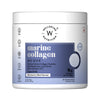 Korean Marine Collagen - Blueberry Mint
₹1,018 – ₹1,993
Korean Marine Collagen - Blueberry Mint
₹1,018 – ₹1,993
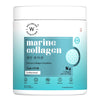 Pure Korean Marine Collagen Peptides | Unflavored | Combat Signs of Ageing
₹1,745 – ₹6,476
Pure Korean Marine Collagen Peptides | Unflavored | Combat Signs of Ageing
₹1,745 – ₹6,476
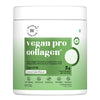 Vegan Pro Collagen Lemon Lime
₹1,745 – ₹3,418
Vegan Pro Collagen Lemon Lime
₹1,745 – ₹3,418
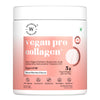 Vegan Pro Collagen Mixed Berries
₹1,745 – ₹3,418
Vegan Pro Collagen Mixed Berries
₹1,745 – ₹3,418