Modern skincare can sometimes feel like a chemistry experiment. One product brightens, another hydrates, and a third promises anti-aging benefits. But the moment you try to combine them, confusion begins.
One of the most common questions people ask today is can i use hyaluronic acid with Vitamin C in the same routine. Both ingredients are skincare superstars on their own, but many wonder whether layering them together will enhance results or cancel each other out.
The good news is that when used correctly, this pairing can actually support hydration, antioxidant protection, and long-term skin health.
Understanding How Vitamin C and Hyaluronic Acid Work
Before answering can hyaluronic acid be used with Vitamin C, it helps to understand what each ingredient actually does.
Vitamin C, particularly in the form of L-ascorbic acid, is a potent antioxidant. It helps neutralize free radicals created by UV exposure, pollution, and daily oxidative stress. These free radicals can damage collagen and accelerate visible aging. Vitamin C also plays a key role in collagen synthesis by acting as a cofactor in the enzymatic processes that stabilize collagen fibers (NIH).
Hyaluronic acid, on the other hand, is a naturally occurring molecule found in skin, joints, and connective tissue. Its main job is hydration. A single hyaluronic acid molecule can bind up to 1,000 times its weight in water, helping the skin stay supple and plump (NIH).
Together, these two ingredients address two fundamental pillars of skin health: moisture retention and structural support.
That synergy is exactly why many people ask can I use Vitamin C with hyaluronic acid in the same routine.
Can You Use Hyaluronic Acid With Vitamin C?
The short answer is yes.
If you have been wondering can I use hyaluronic acid with Vitamin C, dermatological science says they are not only compatible but often beneficial when layered together.
Here’s why.
Vitamin C works best in slightly acidic environments, while hyaluronic acid functions across a broad pH range and does not destabilize Vitamin C. Instead, it helps counter one of Vitamin C’s potential side effects: dryness.
Many Vitamin C serums can feel slightly drying because antioxidants stimulate cellular activity and exfoliation. Hyaluronic acid adds hydration, helping maintain the skin barrier while Vitamin C performs its antioxidant work.
This is also why skincare experts frequently reassure users that hyaluronic acid can be used with Vitamin C, as the combination is both safe and effective.
Think of Vitamin C as the shield protecting your skin from environmental stress, while hyaluronic acid acts like a hydration reservoir keeping your skin plump and balanced.
Can You Mix Hyaluronic Acid With Vitamin C in the Same Routine?
Another common variation of the question is can i mix hyaluronic acid with vitamin C or can you use Vitamin C with hyaluronic acid at the same time.
The answer depends slightly on product format but generally yes.
Most skincare routines follow a simple layering logic: lighter formulations first, thicker ones later.
A typical routine might look like this:
-
Cleanser
-
Vitamin C serum
-
Hyaluronic acid serum
-
Moisturizer
-
Sunscreen (morning routine)
Applying Vitamin C first allows the antioxidant to penetrate the skin efficiently. Following it with hyaluronic acid helps seal hydration and improve skin comfort.
Some modern formulations even combine both ingredients in a single serum. In these products, the concentrations and pH levels are already optimized to work together.
So if you have been asking can i use Vitamin C with hyaluronic acid, the answer is not just yes. It is a pairing many dermatologists actively encourage.
Why This Combination Works So Well for Skin Health
Pairing Vitamin C and hyaluronic acid works because their biological roles complement each other.
Vitamin C supports the enzymes responsible for forming stable collagen fibers, while hydration from hyaluronic acid helps maintain the extracellular matrix where collagen lives (NIH). Hydrated skin cells function more efficiently, which can enhance the visible effects of collagen production (NIH).
This is also why many beauty routines combine topical ingredients with internal nutrition such as a collagen supplement or beauty collagen formulas that support skin structure from within.
Nutrients like amino acids, vitamin C, and peptides found in marine collagen may help provide the building blocks the body needs to produce collagen naturally. Meanwhile, antioxidants like Glutathione Tablets may support oxidative balance, which plays a role in maintaining healthy skin tone and resilience.
When internal and external strategies work together, the overall skin ecosystem often responds more effectively.
Common Myths About Mixing These Ingredients
Despite strong compatibility, several myths still circulate online.
One myth claims Vitamin C and hyaluronic acid neutralize each other. Scientifically, this is incorrect. Their chemical structures do not cancel out one another.
Another myth suggests combining too many actives overwhelms the skin. While excessive layering can irritate sensitive skin, the pairing of Vitamin C and hyaluronic acid is generally well tolerated because one ingredient protects while the other hydrates.
This is why the question can hyaluronic acid be used with Vitamin C keeps appearing in skincare forums. Once the science is understood, the confusion disappears.
How to Get the Best Results From This Combination
To maximize benefits, a few simple strategies help.
-
Choose a stable Vitamin C formulation stored in opaque or dark bottles to help prevent oxidation and maintain effectiveness.
-
Apply Vitamin C on clean skin first. This allows the antioxidant to penetrate properly and support skin protection and collagen synthesis.
-
Layer hyaluronic acid next while the skin is slightly damp. This helps the molecule attract and bind water more efficiently for better hydration.
-
Seal the routine with a moisturizer. Locking in hydration helps strengthen the skin barrier and maintain moisture levels.
-
Use sunscreen during the day. While Vitamin C helps defend against oxidative stress, it does not replace broad-spectrum sun protection.
-
Stay consistent with the routine. Regular use of this combination can support hydration, improve brightness, and contribute to long-term collagen maintenance.
The Bottom Line
If you have ever wondered can you use Vitamin C with hyaluronic acid, the science offers a clear answer: yes, and the combination can be extremely beneficial.
Vitamin C protects against environmental stress and supports collagen synthesis. Hyaluronic acid maintains hydration and helps preserve skin elasticity. Together they create a balanced skincare strategy that addresses both protection and moisture.
When paired with supportive internal nutrition such as beauty collagen, marine collagen, or targeted antioxidants like Glutathione Tablets, the overall approach becomes even more comprehensive.
Skincare works best when ingredients complement each other. Vitamin C and hyaluronic acid are one of those rare pairs that do exactly that.
Used consistently and thoughtfully, they can help your skin stay hydrated, resilient, and radiant for the long run.
FAQs
1. Can I use hyaluronic acid with Vitamin C in the same routine?
Yes, you can safely use hyaluronic acid with Vitamin C. In fact, they complement each other well. Vitamin C works as a powerful antioxidant that supports collagen production, while hyaluronic acid helps hydrate and plump the skin. Together they support brighter, smoother, and healthier-looking skin.
2. Can hyaluronic acid be used with Vitamin C every day?
Yes, hyaluronic acid can be used with Vitamin C daily. Many dermatologists recommend applying Vitamin C in the morning followed by hyaluronic acid to help maintain hydration and support the skin barrier.
3. Can I mix hyaluronic acid with Vitamin C serum?
Yes, you can mix hyaluronic acid with Vitamin C serum in the same skincare routine. Typically, Vitamin C is applied first after cleansing, followed by a hyaluronic acid serum to help lock in moisture and improve skin comfort.
4. Should I apply Vitamin C or hyaluronic acid first?
Vitamin C should usually be applied first because it is a lighter, active serum that needs to penetrate the skin effectively. Hyaluronic acid is applied afterward to help attract and retain moisture within the skin.
5. Can you use Vitamin C with hyaluronic acid for anti-aging benefits?
Yes, using Vitamin C with hyaluronic acid can support anti-aging benefits. Vitamin C helps protect collagen from oxidative damage and supports collagen synthesis, while hyaluronic acid improves hydration and reduces the appearance of fine lines.
6. Can taking a collagen supplement improve results with Vitamin C and hyaluronic acid?
Using topical skincare alongside a collagen supplement, beauty collagen, or marine collagen may help support skin health from within. These nutrients can provide amino acids that the body uses to maintain collagen structure while topical ingredients support hydration and protection.
7. What is the recommended hyaluronic acid dosage if taken as a supplement?
The recommended Hyaluronic Acid dosage varies depending on the product formulation and intended use. Many supplements provide between 120–240 mg per day, but it is important to follow the instructions on the product label or consult a healthcare professional before starting supplementation.

Recommended Products
 Organic Vitamin C + Zinc
₹758 – ₹2,035
Organic Vitamin C + Zinc
₹758 – ₹2,035
 Beauty Collagen Strawberry Watermelon Flavour
₹1,939 – ₹7,196
Beauty Collagen Strawberry Watermelon Flavour
₹1,939 – ₹7,196
 Beauty Korean Marine Collagen Peptides Mango Peach Flavour
₹1,939 – ₹7,196
Beauty Korean Marine Collagen Peptides Mango Peach Flavour
₹1,939 – ₹7,196
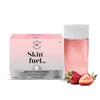 Glutathione Skin Fuel Pro+ Strawberry Flavour
₹1,044 – ₹5,803
Glutathione Skin Fuel Pro+ Strawberry Flavour
₹1,044 – ₹5,803