Your collagen routine might be missing one very obvious thing.
Food.
We have collagen powders, marine collagen drinks, collagen gummies and even “vegan collagen” everywhere. But before adding another scoop to your morning routine, it is worth asking a better question:
How does your body actually make collagen in the first place?
Because your skin does not simply need you to eat collagen. It needs the nutrients, building blocks and conditions that allow your body to produce and maintain its own collagen.
That is where your everyday meals and habits come in.
Collagen is a major structural protein in the skin. With age, collagen production naturally changes, while factors such as UV exposure can accelerate collagen loss and damage. Human research has shown that UV exposure can reduce production of type I procollagen, one of the major structural proteins in skin. [NIH]
So if you are searching for how to increase collagen in skin, the answer is less about finding one miracle ingredient and more about creating the right environment for your skin to keep doing its job.
Here is how.

How to Increase Collagen in Skin Naturally: Start With Protein
Think of collagen as a protein-building project.
Your body needs amino acids from dietary protein to make proteins, including collagen. That makes your overall protein intake more important than simply adding a collagen-specific food to an otherwise unbalanced diet.
Good everyday options include:
-
Eggs
-
Fish and chicken
-
Milk, curd and Greek yogurt
-
Paneer
-
Tofu and soy
-
Dal and lentils
-
Beans and chickpeas
-
Nuts and seeds
You do not need to make every meal “high protein.”
Just make sure your meals contain a meaningful protein source.
Try eggs with vegetables at breakfast, dal with curd at lunch, or tofu, paneer or fish with vegetables at dinner.
That is a far more sustainable answer to how to increase collagen in your skin than relying on one trending food.
How to Increase Collagen Production in Your Skin With Vitamin C
If collagen had a supporting-star nutrient, vitamin C would have a strong case.
Your body requires vitamin C for collagen biosynthesis. It also acts as an antioxidant.
And here is the good news: you do not need an elaborate “collagen smoothie.”
Some of the best vitamin C sources are sitting in the produce aisle.
Think:
Guava. Kiwi. Oranges. Strawberries. Bell peppers. Tomatoes. Broccoli.

It is simple, inexpensive and much easier to stick to than a complicated supplement schedule.
Foods to Increase Collagen Production in Your Skin: Think Beyond Vitamin C
This is where collagen conversations often become too narrow.
Your skin does not work on vitamin C alone.
A varied diet also supplies minerals and other nutrients involved in normal tissue maintenance and overall skin health.
That means your food to increase collagen in skin does not have to be one specific food.
Build a plate around variety.
Add nuts and seeds
Pumpkin seeds, sesame seeds, cashews, almonds and other nuts and seeds provide minerals, protein and healthy fats.
Sprinkle them over yogurt. Add them to oats. Keep a small portion handy as a snack.
Add colourful vegetables
Red peppers, tomatoes, carrots, spinach, broccoli and leafy greens bring different plant compounds to the plate.
A useful rule:
The more colours on your plate, the less likely your diet is to be nutritionally repetitive.
Do not forget legumes
Dal, chickpeas, rajma, beans and soy foods can make it easier to build a protein-rich, plant-forward diet.
This is particularly useful if you do not eat meat or fish.

How to Increase Collagen in Skin? Protect the Collagen You Already Have
Here is probably the most important part of this entire article.
Do not focus only on making more collagen. Protect the collagen you already have.
UV exposure is a major contributor to photoaging, and research shows that chronic UV exposure can damage the skin's collagen network and reduce collagen production.
Which means your morning skincare routine matters.
If you are eating beautifully, drinking your green juice and taking collagen powder but spending hours in the sun without protection, you are overlooking one of the biggest factors affecting skin ageing.
So:
Use sunscreen consistently.
Seek shade when appropriate.
Cover exposed skin during prolonged sun exposure.
And remember, sunscreen is not just an “anti-wrinkle” product.
It is part of your collagen protection strategy.
How Can I Increase Collagen in My Skin? Stop Smoking
This one is not trendy, but it matters.
Research in humans has found that cigarette smoking is associated with reduced collagen synthesis in skin.
So when asking how can I increase collagen in my skin, sometimes the answer involves removing a collagen-damaging habit rather than adding another product.
If you smoke, quitting is one of the more meaningful things you can do for your long-term health, including your skin.
Can You Increase Collagen in Your Skin With Better Sleep?
Do not underestimate sleep just because it does not come in a tub.
Your skin is constantly repairing and maintaining itself, and sleep is part of that larger recovery picture.
You do not need a 12-step nighttime routine.
Start with the basics:
Keep your sleep schedule consistent.
Aim for enough sleep for your individual needs.
Give yourself a proper wind-down period instead of scrolling until the last possible minute.
It may not sound as exciting as a collagen shot, but consistency beats novelty when it comes to long-term habits.

What About Collagen Powder, Marine Collagen and Vegan Collagen?
Now for the question many people are actually asking.
Does collagen powder work?
Some clinical trials of oral hydrolysed collagen have reported improvements in measures such as skin hydration, elasticity and wrinkles. But the evidence does not mean that everyone needs a collagen supplement.
If you prefer a food-first approach, you can absolutely focus on adequate protein, vitamin C-rich produce and an overall nutrient-dense diet.
What is marine collagen?
Marine collagen is collagen sourced from fish, usually from fish skin or scales. It is still animal-derived collagen.
It may be used in supplements because collagen peptides can be consumed in a concentrated form.
But it is not the only way to support collagen production.
What is vegan collagen?
Here is an important distinction:
Plants do not naturally contain collagen.
So “vegan collagen” generally refers to products formulated with plant-derived or fermentation-derived ingredients intended to support the body's own collagen production rather than supplying animal-derived collagen itself.
The Bottom Line
Can you increase collagen in your skin?
You can support your body's natural collagen production and help protect the collagen you already have.
The most practical place to start is your plate.
Get enough protein. Eat vitamin C-rich fruits and vegetables. Include nuts, seeds, legumes and a variety of whole foods. Then protect your skin from UV exposure and build habits that support overall health.
Because healthy-looking skin is rarely the result of one dramatic intervention.
It is usually the result of small things done consistently for a long time.
And honestly, that is good news.
You do not need to make your life revolve around collagen.
You just need to give your skin a better environment to work with.
Key Takeaways
1. Protein comes first.
Collagen is a protein, so consistently eating adequate protein is more important than obsessing over one collagen-rich food.
2. Vitamin C is non-negotiable for collagen synthesis.
Your body needs vitamin C for collagen biosynthesis, making fruits and vegetables a smart part of a skin-supportive diet.
3. Protect collagen, don't just try to make more.
UV exposure can reduce collagen production and contribute to photoaging, making consistent sun protection one of the smartest collagen habits.
4. Variety beats a “superfood.”
There is no single best food to increase collagen in skin. A varied diet gives you protein, vitamin C, minerals and other nutrients that support overall skin health.
5. Collagen supplements are an option, not a requirement.
Marine collagen and collagen powder may have evidence behind some skin benefits, but you can support your body's natural collagen production without making supplements the centre of your routine.
FAQs
1. How to increase collagen in skin naturally?
Eat enough protein, include vitamin C-rich fruits and vegetables, maintain a varied diet, protect your skin from UV exposure, avoid smoking and prioritise adequate sleep. These habits support the body's normal collagen production and help protect skin structure.
2. How can I increase collagen in my skin without supplements?
Focus on protein-rich foods such as eggs, fish, dairy, tofu, soy and legumes, alongside vitamin C-rich foods such as guava, kiwi, citrus fruits, berries and peppers. Daily sun protection is equally important.
3. What is the best food to increase collagen in skin?
There is no single best food. A combination of protein-rich foods and vitamin C-rich fruits and vegetables is a more useful approach than relying on one “collagen-boosting” food.
4. What foods increase collagen production in your skin?
Foods that provide protein and nutrients involved in collagen production can support your diet. Try eggs, fish, dairy, tofu, lentils, chickpeas, nuts, seeds, guava, citrus fruits, berries, peppers and broccoli.
5. Does vitamin C increase collagen production in skin?
Vitamin C is required for collagen biosynthesis, so getting enough vitamin C is essential for normal collagen production.
6. Can you increase collagen in your skin by eating collagen?
Eating collagen does not mean intact collagen travels directly to your skin. Dietary collagen is digested into peptides and amino acids that the body can use as building blocks.
7. Does marine collagen increase collagen in skin?
Some clinical studies of oral hydrolysed collagen have reported improvements in skin-related outcomes such as hydration and elasticity. However, marine collagen is not essential for everyone and should not replace a balanced diet.
8. Is vegan collagen actually collagen?
Not usually. Plants do not naturally contain collagen. Products marketed as vegan collagen typically contain ingredients intended to support the body's own collagen production rather than supplying animal-derived collagen.
9. Is collagen powder necessary for skin health?
No. Collagen powder is an optional supplement. A diet containing adequate protein, vitamin C and a variety of nutrient-rich foods can support normal collagen production without requiring a collagen supplement.
10. What is the fastest way to increase collagen in your skin?
There is no reliable overnight method. For long-term collagen support, focus on adequate protein, vitamin C-rich foods, consistent sun protection, avoiding smoking and maintaining healthy lifestyle habits.

Recommended Products
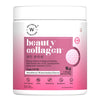 Beauty Collagen Strawberry Watermelon Flavour
₹1,939 – ₹7,196
Beauty Collagen Strawberry Watermelon Flavour
₹1,939 – ₹7,196
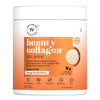 Beauty Korean Marine Collagen Peptides Mango Peach Flavour
₹1,939 – ₹7,196
Beauty Korean Marine Collagen Peptides Mango Peach Flavour
₹1,939 – ₹7,196
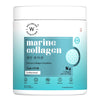 Pure Korean Marine Collagen Peptides | Unflavored | Combat Signs of Ageing
₹1,745 – ₹6,476
Pure Korean Marine Collagen Peptides | Unflavored | Combat Signs of Ageing
₹1,745 – ₹6,476
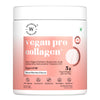 Vegan Pro Collagen Mixed Berries
₹1,745 – ₹3,418
Vegan Pro Collagen Mixed Berries
₹1,745 – ₹3,418
 Vegan Pro Collagen Lemon Lime
₹1,745 – ₹3,418
Vegan Pro Collagen Lemon Lime
₹1,745 – ₹3,418