Your skin has a lot to deal with these days.
Sun exposure, pollution, environmental stress, poor sleep, stress, highly processed foods and diets that are not always rich in protein or micronutrients can all influence how your skin looks and feels.
Add the natural decline in collagen production that comes with age, and it is easy to see why dryness, fine lines, dullness and loss of firmness start showing up on your skincare checklist.
And then came the collagen boom.
Scroll through Instagram, TikTok or even your WhatsApp groups and you will find collagen in almost everything: powders, gummies, drinks, sachets, coffees and beauty supplements. But here is the catch: not every collagen supplement is created for the same purpose.
So, if you have ever searched which collagen is best for skin, the answer is not simply "buy collagen." You need to look at the source, form, formulation and what else is inside the product.
First, what exactly is collagen?
Collagen is the most abundant structural protein in the body and plays an important role in skin structure, strength and elasticity.
When you take a collagen supplement, you are usually getting hydrolysed collagen peptides, which are broken down into smaller peptides. Human research has found that oral low-molecular-weight collagen peptides can support improvements in skin hydration, elasticity and the appearance of wrinkles. [NIH]
Collagen types and where they come from
|
Type / Source |
What it means |
Who may consider it |
|
Marine collagen |
Usually derived from fish skin or scales and processed into collagen peptides |
People looking for a fish-derived collagen source |
|
Bovine collagen |
Derived from cattle sources and commonly provides Type I and III collagen |
People comfortable with animal-derived collagen |
|
Porcine collagen |
Derived from pigs and commonly used in collagen supplements |
People who are comfortable with this source |
|
Vegan collagen |
Does not contain actual collagen. Usually combines nutrients and botanical ingredients that support the body's own collagen-building process |
Vegetarians, vegans and people avoiding animal-derived collagen |
That last distinction is important.
Vegan collagen is not technically collagen. Plants do not naturally contain collagen. Instead, vegan collagen products are generally collagen builders, using ingredients that provide nutrients involved in collagen synthesis or support skin health.
So when comparing marine collagen powder with vegan collagen, you are really comparing two different approaches.
Marine collagen: the popular choice for skin
Marine collagen is usually sourced from fish and is predominantly Type I collagen, the type closely associated with skin, hair, nails and connective tissue.
Human research specifically on hydrolysed marine collagen has found improvements in skin wrinkles, elasticity, hydration and overall skin appearance. [NIH]
Another human clinical study using fish-derived collagen found improvements in skin hydration, elasticity, wrinkles and roughness. [NIH]
But do not stop at "marine collagen" on the front of the pack.
If you are deciding which collagen powder is best for skin, look for:
Hydrolysed collagen peptides: This is the form commonly used in human oral collagen research. Low-molecular-weight collagen peptides have been studied for their effects on skin hydration, elasticity and wrinkling. [NIH]
Clear sourcing: Look for information about where the fish collagen comes from and how it is processed.
Purity and testing: For a marine source, third-party testing for contaminants and heavy metals is an important quality consideration.
And then there is the formulation itself.
The ingredients that can make a collagen formula more targeted
Collagen does not have to work alone. Some formulas combine collagen peptides with other skin-focused ingredients.

This is where choosing a collagen supplement becomes more personal.
If dryness is your main concern, a formula containing hyaluronic acid may be worth considering. Human clinical research has found improvements in skin hydration following oral hyaluronic acid supplementation. [NIH]
If you are looking for overall skin support, collagen peptides paired with vitamin C can make sense because vitamin C is required for normal collagen synthesis.
And if radiance is your focus, you may come across formulas containing glutathione and antioxidant nutrients. Just remember that an ingredient being present does not automatically mean the finished product will deliver a dramatic result.
What about vegan collagen?
If you do not consume fish or other animal-derived ingredients, vegan collagen builders offer a different route.
Instead of supplying collagen peptides, they typically combine nutrients and plant-derived ingredients that support the body's natural collagen-building process.
Look for ingredients such as:
Vitamin C from sources such as acerola cherry, which provides a nutrient required for normal collagen synthesis.
Plant-based antioxidant ingredients, which can complement a diet rich in fruits and vegetables for supporting skin health.
Hyaluronic acid, particularly in formulas designed around skin hydration.
Biotin and zinc, which contribute to normal skin health.
The important thing is to understand that a vegan collagen builder is not the same as taking collagen peptides. You are choosing a formula designed to support the body's own collagen-building process rather than directly supplying collagen.
So, if you are wondering which type of collagen is best for skin, a vegan collagen builder can be a practical option if avoiding animal sources is important to you.
The collagen rule nobody talks about: your diet still matters
A collagen supplement cannot compensate for a diet that is consistently low in protein and micronutrients.
Think of your supplement as an addition to the plate, not a replacement for it.
Try pairing your collagen routine with foods that provide protein, vitamin C and other nutrients involved in skin health.
Protein: Eggs, Greek yogurt, paneer, tofu, fish, chicken, lentils and beans.
Vitamin C: Amla, guava, oranges, kiwi and bell peppers.
Healthy fats: Nuts, seeds, avocado and fatty fish.
Mineral-rich foods: Pumpkin seeds, legumes, dairy, seafood and whole grains.
And yes, you can simply add your collagen powder to your morning smoothie, yogurt, coffee or water. Consistency is generally more useful than finding a complicated "perfect" routine.
So, which collagen supplement is best for skin?
Start with your preference, then look at the formulation.
If you want actual collagen peptides, marine collagen is one option with human clinical research supporting improvements in skin-related outcomes. [NIH]
If you avoid animal-derived ingredients, vegan collagen builders can provide nutrients designed to support the body's own collagen-building process.

Because the best collagen supplement is not necessarily the one that is trending on your feed.
It is the one that fits your dietary preferences, your skin goals and your everyday routine.
Key Takeaways
-
Which collagen is best for skin depends on the source, formulation and your personal needs.
-
Marine collagen powder provides actual hydrolysed collagen peptides and has human research supporting skin hydration, elasticity and wrinkle-related outcomes. [NIH]
-
Vegan collagen is technically a collagen builder, using nutrients and plant-derived ingredients to support the body's natural collagen process.
-
Look beyond collagen alone. Hyaluronic acid is one ingredient with human research supporting skin hydration. [NIH]
-
A collagen supplement should supplement a protein-rich diet, not replace real meals.
FAQs
1. Which collagen is best for skin?
Hydrolysed collagen peptides, including marine collagen, are among the options studied in human skin research. The right choice also depends on your dietary preferences and the overall formulation. [NIH]
2. Which type of collagen is best for skin?
Type I collagen is particularly relevant to skin structure. Marine collagen is commonly rich in Type I collagen and has been studied for skin health.
3. Which collagen powder is best for skin?
Look for hydrolysed collagen peptides, transparent sourcing, quality testing and a formulation that matches your specific skin concern.
4. Is marine collagen better than bovine collagen?
Not necessarily. Both can provide collagen peptides. Marine collagen is commonly rich in Type I collagen, while the right choice depends on your dietary preferences, sourcing and formulation.
5. Is marine collagen safe?
Marine collagen can be used as a dietary supplement when it comes from a reputable, quality-tested source. People with fish or seafood allergies should check the source carefully.
6. What is vegan collagen?
Vegan collagen does not contain actual collagen. It usually refers to a combination of plant-derived ingredients and nutrients intended to support the body's natural collagen production.
7. Does collagen help with wrinkles?
Some human clinical studies have reported improvements in wrinkle appearance, skin hydration and elasticity following oral collagen peptide supplementation. [NIH]
8. Does collagen help dry skin?
Human research has reported improvements in skin hydration following collagen peptide supplementation. [NIH]
9. Can I take collagen every day?
Collagen supplements are commonly designed for daily use. Follow the serving recommendation on the product and consider your overall protein and nutrient intake.
10. What should I look for when buying collagen?
Check the collagen source, hydrolysed peptide form, ingredient transparency, quality testing, added nutrients and whether the product fits your dietary preferences and skin goals.

Recommended Products
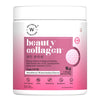 Beauty Collagen Strawberry Watermelon Flavour
₹1,939 – ₹7,196
Beauty Collagen Strawberry Watermelon Flavour
₹1,939 – ₹7,196
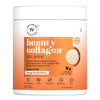 Beauty Korean Marine Collagen Peptides Mango Peach Flavour
₹1,939 – ₹7,196
Beauty Korean Marine Collagen Peptides Mango Peach Flavour
₹1,939 – ₹7,196
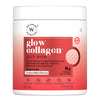 Glow Korean Marine Collagen Peptides with Liposomal Glutathione & Vitamin C | Tropical Bliss Flavour | 250g
₹1,939 – ₹7,196
Glow Korean Marine Collagen Peptides with Liposomal Glutathione & Vitamin C | Tropical Bliss Flavour | 250g
₹1,939 – ₹7,196
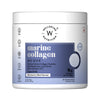 Korean Marine Collagen - Blueberry Mint
₹1,018 – ₹1,993
Korean Marine Collagen - Blueberry Mint
₹1,018 – ₹1,993
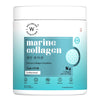 Pure Korean Marine Collagen Peptides | Unflavored | Combat Signs of Ageing
₹1,745 – ₹6,476
Pure Korean Marine Collagen Peptides | Unflavored | Combat Signs of Ageing
₹1,745 – ₹6,476
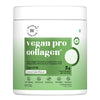 Vegan Pro Collagen Lemon Lime
₹1,745 – ₹3,418
Vegan Pro Collagen Lemon Lime
₹1,745 – ₹3,418
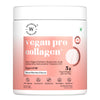 Vegan Pro Collagen Mixed Berries
₹1,745 – ₹3,418
Vegan Pro Collagen Mixed Berries
₹1,745 – ₹3,418