Every few months, a new "miracle food" promises glass skin.
One week it's chlorophyll water. The next, it's beef tallow. Then suddenly everyone is blending sea moss into smoothies.
The truth is, your skin does not care about trends.
It responds to biology.
Healthy, glowing skin is built from collagen proteins, healthy fats, antioxidants, vitamins, minerals, and a skin barrier that stays hydrated and resilient. While skincare works from the outside, your diet influences what happens underneath. Every new skin cell, collagen fiber, and protective antioxidant system depends on the nutrients you eat.
That is why the best skincare routine often starts in your kitchen.
Interestingly, research now suggests that skin aging is not driven by just UV exposure. Oxidative stress, chronic inflammation, glycation from excess sugar, poor sleep, and nutrient deficiencies can quietly accelerate wrinkles, dullness, and uneven skin tone long before they become visible.
So if you're wondering about the best food for skin glow, here are five science-backed superfoods that genuinely deserve a place on your plate.
1. Avocados: Nature's Moisturizer
If your skin often feels dry despite using expensive moisturizers, the problem may not be your moisturizer.
It could be your fats.
Avocados are rich in monounsaturated fats that help strengthen the skin barrier, reducing water loss and improving softness. They are also one of the richest fruit sources of vitamin E, an antioxidant that helps protect skin cells from oxidative damage.
What makes avocados especially interesting is that their healthy fats also improve the absorption of fat-soluble nutrients like vitamins A, D, E, and K from the rest of your meal.
That means adding avocado to a salad doesn't just taste better. It helps your body absorb more skin-supporting nutrients.
Easy ways to eat it
-
Mash onto sourdough with pumpkin seeds and lemon.
-
Blend into smoothies for extra creaminess.
-
Add diced avocado to grain bowls.
-
Make guacamole with tomatoes, onions, cilantro, and lime.
-
Pair with eggs for a protein-rich breakfast.
If you're looking for foods that make skin glow, healthy fats are often the missing piece.
2. Berries: Tiny Fruits With Serious Antioxidant Power
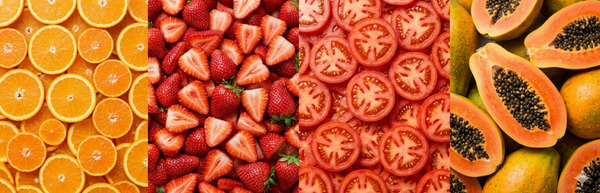
Blueberries, strawberries, blackberries, raspberries, and even Indian jamun are nutritional powerhouses.
Their deep colors come from anthocyanins and polyphenols, compounds that help neutralize free radicals produced by pollution, UV exposure, and normal metabolism.
Here's something many people don't know.
Your collagen is constantly being attacked by enzymes called matrix metalloproteinases, especially after UV exposure. Research suggests that polyphenol-rich foods may help reduce this collagen breakdown while lowering oxidative stress.
That makes berries one of the smartest foods to eat for glowing skin.
They're also rich in vitamin C, which is essential because your body literally cannot make collagen without enough vitamin C.
Practical ways to eat more berries
-
Add frozen berries to oatmeal.
-
Blend into Greek yogurt.
-
Freeze them for a refreshing snack.
-
Toss into salads with feta and walnuts.
-
Make overnight oats with mixed berries.
No fresh berries nearby? Frozen berries are often just as nutritious because they're frozen soon after harvest.

3. Tomatoes: Better Cooked Than Raw
This surprises many people.
Tomatoes become even more beneficial for your skin after cooking.
Cooking increases the availability of lycopene, the antioxidant responsible for tomatoes' bright red color. Lycopene has been studied for its ability to help protect skin against UV-induced damage, although it should never replace sunscreen.
Adding a little olive oil increases lycopene absorption even further.
Think of tomato soup, homemade pasta sauce, or shakshuka rather than just raw tomato slices.
Tomatoes also provide vitamin C and potassium, making them one of the best foods for glowing and healthy skin.
Easy ideas
-
Homemade tomato soup.
-
Pasta sauce made with olive oil.
-
Roasted tomatoes on toast.
-
Tomato chutney.
-
Shakshuka with eggs.
4. Fatty Fish: Feeding Your Skin From Within
Salmon, sardines, mackerel, trout, and Indian mackerel (bangda) are rich in omega 3 fatty acids.
These healthy fats become part of your skin cell membranes, helping maintain flexibility and hydration.
Research suggests omega 3s may also help regulate inflammation, which is linked with acne, redness, eczema, and premature skin aging.
Many people focus only on collagen.
But collagen without healthy fats is like building bricks without mortar.
Both are needed for resilient skin.
Easy ways to include more omega 3
-
Grill fish twice a week.
-
Add sardines to toast.
-
Make fish curry with turmeric.
-
Add smoked salmon to salads.
-
Use canned tuna for quick lunches.
If you don't eat fish, walnuts, flaxseeds, chia seeds, and algae-based omega 3 supplements can help increase intake, although they provide different forms of omega 3 than fatty fish.
5. Citrus Fruits and Amla: The Collagen Builders
Collagen gets all the attention.
Vitamin C does the actual construction work.
Without enough vitamin C, your body cannot properly produce collagen, no matter how much protein you eat.
This is why oranges, lemons, grapefruit, kiwi, guava, and especially amla deserve a place in any list of superfoods for glowing skin.
Amla deserves special attention.
Gram for gram, it contains significantly more vitamin C than oranges and has been traditionally valued in Indian diets for centuries. It also contains polyphenols that may help reduce oxidative stress.
Practical ways to enjoy them
-
Fresh amla with black salt.
-
Orange slices as a snack.
-
Lemon squeezed over salads.
-
Kiwi with breakfast.
-
Guava with chili powder.
-
Citrus added to infused water.
A small squeeze of lemon over lentils, leafy greens, or beans also improves iron absorption, another overlooked factor because iron deficiency can contribute to dull-looking skin.

Glowing skin isn't built with collagen alone. It also needs vitamin C to produce collagen efficiently. That's what makes sea buckthorn such a nutritional powerhouse. Beyond its exceptionally high vitamin C content, it's naturally rich in carotenoids, vitamin E, flavonoids, and rare omega-7 fatty acids that help protect skin from oxidative stress while supporting hydration and the skin barrier from within.
Fact Check: Sea buckthorn's vitamin C content varies by species, growing conditions, and processing method, but fresh berries can provide 200-1,500 mg of vitamin C per 100 g, compared with about 53 mg per 100 g in oranges, making it one of the richest natural sources of vitamin C.
The Nutrients Your Skin Actually Needs
Rather than chasing one "superfood," think about feeding your skin the nutrients it constantly uses.
|
Nutrient |
Why it matters |
Best food sources |
|
Vitamin C |
Collagen production |
Amla, citrus, berries, guava |
|
Vitamin E |
Protects skin cells |
Avocado, almonds, sunflower seeds |
|
Omega 3 |
Supports skin barrier |
Salmon, sardines, flaxseed |
|
Polyphenols |
Reduce oxidative stress |
Berries, tomatoes, tea |
|
Protein |
Builds collagen |
Eggs, fish, dairy, legumes |
The biggest takeaway?
No single food creates glowing skin overnight.
It's the combination of nutrient-dense foods, enough protein, healthy fats, hydration, quality sleep, movement, and sun protection that creates visible results over time.

Can Supplements Help?
Even the healthiest diet has limits.
Natural collagen production begins declining from your mid to late twenties, while glutathione, one of the body's most important antioxidants, also decreases with age and chronic stress.
For people who struggle to meet their nutritional needs through food alone, targeted supplementation may complement a balanced diet.
Hydrolyzed collagen peptides have been studied for their ability to support skin elasticity, hydration, and wrinkle reduction when consumed consistently.
Similarly, a glutathione supplement may help support the body's antioxidant defenses. Some emerging research also suggests it may contribute to improved skin brightness by helping reduce oxidative stress, although results vary and should not be viewed as a replacement for a healthy diet or skincare routine.
Many modern formulations now combine collagen supplements with glutathione, aiming to support both the structural framework of the skin and its antioxidant protection. While supplements are not magic solutions, they can be a useful addition alongside a nutrient-rich eating pattern and healthy lifestyle.
Think of them as supporting players rather than the main act.
7-Day Skin Glow Diet Chart
Think of this as a realistic eating plan rather than a restrictive diet. The goal is to consistently include antioxidants, healthy fats, protein, vitamin C, and colorful plant foods that nourish your skin from within.
|
Day |
Breakfast |
Mid-Morning |
Lunch |
Evening Snack |
Dinner |
|
Monday |
Greek yogurt with mixed berries, chia seeds and walnuts (Veg) OR Greek yogurt + boiled eggs (Non-Veg) |
Orange or guava |
Quinoa bowl with avocado, chickpeas, cucumber and tomatoes (Veg) OR Grilled chicken quinoa bowl (Non-Veg) |
Green tea with roasted almonds |
Paneer stir fry with broccoli (Veg) OR Grilled salmon with roasted vegetables (Non-Veg) |
|
Tuesday |
Overnight oats with strawberries, pumpkin seeds and flaxseeds |
Fresh amla or kiwi |
Rajma brown rice with mixed salad (Veg) OR Tuna brown rice bowl (Non-Veg) |
Hummus with carrot and cucumber sticks |
Palak tofu with millet roti (Veg) OR Fish curry with red rice (Non-Veg) |
|
Wednesday |
Avocado toast with pumpkin seeds (Veg) OR Avocado toast with poached eggs (Non-Veg) |
Handful of mixed berries |
Moong dal khichdi with vegetable salad (Veg) OR Chicken vegetable soup with sourdough (Non-Veg) |
Coconut water with pistachios |
Mushroom stir fry with quinoa (Veg) OR Grilled mackerel with sautéed spinach (Non-Veg) |
|
Thursday |
Smoothie with spinach, banana, berries and almond butter (Veg) OR Add collagen peptides to the smoothie (Non-Veg/Flexible) |
Guava |
Chickpea Buddha bowl with roasted vegetables (Veg) OR Grilled prawns with quinoa salad (Non-Veg) |
Pumpkin seeds and green tea |
Tofu curry with brown rice (Veg) OR Baked salmon with asparagus (Non-Veg) |
|
Friday |
Besan chilla with mint chutney (Veg) OR Omelette with tomatoes and spinach (Non-Veg) |
Citrus fruit |
Dal, millet roti and beetroot salad (Veg) OR Chicken millet bowl (Non-Veg) |
Berry yogurt parfait |
Stir-fried vegetables with tofu (Veg) OR Sardines with roasted sweet potatoes (Non-Veg) |
|
Saturday |
Chia pudding with berries and kiwi (Veg) OR Chia pudding with Greek yogurt (Non-Veg/Flexible) |
Fresh coconut water |
Paneer tikka with vegetable salad (Veg) OR Grilled chicken with roasted vegetables (Non-Veg) |
Apple with peanut butter |
Lentil soup with sourdough (Veg) OR Grilled trout with broccoli (Non-Veg) |
|
Sunday |
Vegetable poha with peanuts (Veg) OR Vegetable omelette with whole grain toast (Non-Veg) |
Amla juice or fresh citrus |
Mediterranean chickpea salad (Veg) OR Grilled fish Mediterranean bowl (Non-Veg) |
Dark chocolate (70%+) with walnuts |
Mixed vegetable stew with quinoa (Veg) OR Roast chicken with seasonal vegetables (Non-Veg) |
Final Thoughts
Great skin isn't built by one expensive serum or one viral superfood.
It's built by thousands of small decisions repeated every day.
A bowl of berries instead of a sugary snack.
Fish instead of another processed meal.
A squeeze of lemon over lunch.
Adding avocado to your breakfast.
Eating enough protein consistently.
The glow people notice is rarely accidental.
It is often the visible result of feeding your skin what it has needed all along.
Key Takeaways
-
The best foods to get glowing skin work by supporting collagen production, hydration, antioxidant defense, and the skin barrier rather than offering instant results.
-
Healthy fats from avocados and fatty fish are just as important for radiant skin as antioxidants and vitamins.
-
Cooked tomatoes provide more absorbable lycopene than raw tomatoes, making them an underrated skin-friendly food.
-
Vitamin C rich foods like amla, citrus fruits, berries, and guava are essential because collagen cannot be produced efficiently without enough vitamin C.
-
A balanced diet remains the foundation, while collagen peptides, a glutathione supplement, or collagen supplements with glutathione may complement healthy eating when used consistently.
FAQs
1. Which is the best food for glowing skin?
There is no single best food. A combination of avocados, berries, fatty fish, tomatoes, citrus fruits, and amla provides a wide range of nutrients that support healthy skin.
2. What foods make skin glow naturally?
Foods rich in vitamin C, omega 3 fats, antioxidants, vitamin E, and protein are among the best choices for naturally radiant skin.
3. How long does it take for diet to improve skin?
Skin renews itself approximately every 28 to 40 days, so consistent healthy eating for several weeks is usually needed before noticeable improvements appear.
4. Are collagen peptides good for skin?
Research suggests hydrolyzed collagen peptides may help improve skin hydration, elasticity, and the appearance of fine lines when taken consistently alongside a healthy diet.
5. Does a glutathione supplement help skin?
Glutathione is an important antioxidant. Some studies suggest supplementation may support skin brightness by reducing oxidative stress, but results vary between individuals.
6. Should I take collagen supplements with glutathione?
Some formulations combine collagen with glutathione to support both collagen structure and antioxidant defenses. They work best as part of an overall healthy lifestyle rather than as standalone solutions.
7. Are expensive superfoods necessary for healthy skin?
No. Everyday foods like tomatoes, guava, amla, eggs, lentils, and seasonal fruits can provide many of the same nutrients.
8. Does drinking more water give glowing skin?
Hydration supports normal skin function, but water alone won't create glowing skin without adequate nutrition, sleep, and sun protection.
9. What foods should I avoid for healthier skin?
Highly processed foods, excessive added sugars, and diets low in fruits, vegetables, and protein may contribute to inflammation and faster collagen breakdown in some people.
10. What is the best daily diet for glowing and healthy skin?
Aim for colorful fruits and vegetables, quality protein, healthy fats, whole grains, nuts, seeds, and adequate hydration. This combination provides the nutrients needed to support healthy, resilient skin over time.

Recommended Products
 Beauty Collagen Strawberry Watermelon Flavour
₹1,799 – ₹7,196
Beauty Collagen Strawberry Watermelon Flavour
₹1,799 – ₹7,196
 Beauty Korean Marine Collagen Peptides Mango Peach Flavour
₹1,799 – ₹7,196
Beauty Korean Marine Collagen Peptides Mango Peach Flavour
₹1,799 – ₹7,196
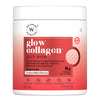 Glow Korean Marine Collagen Peptides with Liposomal Glutathione & Vitamin C | Tropical Bliss Flavour | 250g
₹1,799 – ₹7,196
Glow Korean Marine Collagen Peptides with Liposomal Glutathione & Vitamin C | Tropical Bliss Flavour | 250g
₹1,799 – ₹7,196
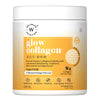 Glow Korean Marine Collagen Peptides with Liposomal Glutathione & Vitamin C | Valencia Orange Flavour | 250g
₹1,799 – ₹7,196
Glow Korean Marine Collagen Peptides with Liposomal Glutathione & Vitamin C | Valencia Orange Flavour | 250g
₹1,799 – ₹7,196