There is a quiet moment in every wellness journey. It is not dramatic. It does not arrive with trumpets. It happens when you pause in front of a mirror and think, "Wait, my skin looks different.”
Maybe your foundation blends better. Maybe your ponytail feels thicker. Maybe your nails survive Monday without chipping.
That is usually when the question shifts from doubt to curiosity: do collagen supplements work? Or more specifically, do collagen supplements really work?
The truth is, collagen does not shout. It rebuilds. Gradually. Systematically. From within.
Let us decode the most important signs of collagen working so you know what to look for and when to expect it.
First, A Quick Science Reset
Collagen makes up nearly 30 percent of the body’s total protein. It is the structural scaffolding of skin, the tensile strength of hair, and the resilience of nails.
From your mid-20s onward, collagen production declines by about 1 percent per year (NIH). Add stress, UV exposure, pollution, and poor sleep to the mix, and the scaffolding weakens faster.
This is where collagen peptides come in. These hydrolyzed fragments are broken down into absorbable amino acids such as glycine, proline, and hydroxyproline. Once absorbed, they stimulate fibroblasts, the cells responsible for producing new collagen, elastin, and hyaluronic acid (NIH).
In simple terms: you are not just “adding collagen.” You are encouraging your body to rebuild it.
Now let us look at how that shows up externally.
Top 10 Signs Collagen Is Working
1. Your Skin Looks Subtly Plumper

One of the earliest signs of collagen is improved skin density.
You may not look ten years younger overnight. But your skin begins to look slightly fuller, especially around the cheeks and under-eye area. This happens because collagen supports dermal thickness and improves water retention.
Most people notice this around weeks 4 to 8.
2. Fine Lines Look Softer

Collagen does not “erase” wrinkles. It improves elasticity.
Over 8 to 12 weeks, fine lines often appear less sharp because the dermal matrix becomes more resilient. Skin bounces back faster when you smile, frown, or squint.
If you are taking marine collagen, this effect may feel more pronounced since it is rich in Type I collagen, the primary type found in skin.
3. Your Skin Recovers Faster

A small breakout heals quicker. Redness settles faster.
This is a powerful but underrated sign. Collagen plays a role in wound repair and barrier integrity. If your skin seems less reactive and more balanced, your internal rebuilding process is likely underway.
4. You Notice a Healthy Surface Glow

We often associate glow with highlighters and serums. But true luminosity comes from hydration and dermal health.
Improved collagen levels enhance hyaluronic acid production, helping skin retain moisture. The result is why many call beauty collagen or even glow collagen.
The glow is not oily. It is structured.
5. Hair Feels Stronger at the Roots

Hair is primarily keratin, but collagen supports the dermal layer where hair follicles live.
By improving scalp health and microcirculation, collagen supplementation may create a stronger foundation for hair growth.
If your hair fall reduces slightly after 2 to 3 months, it can be one of the more meaningful signs that collagen is working.
6. Baby Hairs Begin Appearing

Look closely near your hairline.
Those tiny, short strands are often new growth. While collagen is not a miracle hair regrowth drug, it provides amino acids necessary for keratin synthesis. Combined with proper nutrition, it supports thicker-looking strands over time.
7. Nails Chip Less Easily

Brittle nails are often a protein issue.
After 6 to 10 weeks of consistent supplementation, many people report faster nail growth and reduced breakage. If your manicure lasts longer than usual, take note.
This is one of the clearest physical signs of Collagen working because nails grow relatively quickly.
8. Skin Feels Firmer to Touch

Texture changes before visual transformation.
When you apply moisturizer, your skin may feel slightly more elastic and cushioned. That tactile difference reflects improved collagen network density beneath the surface.
9. Makeup Sits Better

An unexpected benefit.
When collagen improves hydration and smoothness, foundation stops settling into fine lines as dramatically. Concealer blends more evenly.
This practical change often answers the question, do collagen supplements really work, better than clinical charts do.
10. Results Plateau Instead of Reversing

Here is a subtle but important sign.
If you stop seeing progressive dullness and instead maintain stability in skin texture and firmness, collagen may be slowing age-related decline.
Sometimes success is not reversal. It is resistance.
How Long Does It Take to See Results?
Patience is part of the protocol.
Most clinical studies on collagen peptides show measurable improvements between 8 and 12 weeks, with continued benefits up to 6 months.
Consistency matters more than dosage spikes. This is where collagen timing becomes relevant. Taking collagen daily, ideally with vitamin C to support synthesis, enhances results.
How To Maximize Results
Here is your practical roadmap for visible, measurable signs that collagen is working:
• Take 2.5 to 10 grams daily based on product guidance and your goal. Skin-focused protocols often align with standard Marine collagen dosage ranges used in clinical studies.
• Pair with vitamin C rich foods like amla, guava, or citrus to support collagen synthesis at the cellular level.
• Stay consistently hydrated to enhance dermal plumpness and elasticity.
• Protect your collagen from breakdown with daily sunscreen. UV exposure accelerates collagen degradation.
• Maintain adequate dietary protein to provide complementary amino acids.
• Allow at least 12 weeks before evaluating visible changes. Collagen remodeling takes time.
A Note for Vegetarians and Vegans
If you do not consume animal-derived collagen, a well-formulated vegan collagen alternative can be a strategic choice.
While plants do not contain collagen naturally, advanced vegan formulations are designed to provide a similar amino acid profile to stimulate your body’s own collagen production rather than supplying collagen directly. This offers a biologically supportive pathway that mirrors the structural intent of traditional collagen supplementation.
Collagen is not a cosmetic quick fix. It is structural nutrition.
When supported correctly, the answer to do collagen supplements really work becomes less theoretical and more visible in the mirror.
Conclusion
The most reliable signs of collagen working are not dramatic transformations that announce themselves overnight. They are steady, almost imperceptible refinements that build week after week.
Skin that holds light better, reflecting improved hydration and dermal density rather than surface shine. Hair that feels more anchored at the root, with less breakage and more resilience over time. Nails that stop surrendering to minor impact and grow with quiet strength.
Collagen operates beneath visibility. It reinforces your biological architecture, supports elasticity, and strengthens the very framework that holds skin, hair, and nails together.
And when structure improves, firmness follows. When resilience increases, radiance becomes natural.
Beauty is not layered on. It is rebuilt from within.
FAQs
1. How do I know if collagen supplements are working?
The earliest signs of collagen working include subtly plumper skin, improved hydration, and reduced nail brittleness within 4 to 8 weeks. Over 8 to 12 weeks, you may notice softer fine lines, stronger hair roots, and improved skin elasticity as collagen remodeling progresses.
2. Do collagen supplements work for skin, hair, and nails?
Yes, clinical studies on collagen peptides show improvements in skin elasticity, hydration, and dermal density when taken consistently. Hair and nail strength may also improve because collagen provides amino acids like glycine and proline that support keratin production.
3. Do collagen supplements really work or is it a placebo?
Collagen supplements are supported by research, particularly hydrolyzed collagen peptides, which stimulate fibroblasts to produce new collagen. Results are gradual rather than instant, typically becoming visible after 8 to 12 weeks of daily use.
4. How long does it take to see visible signs collagen is working?
Most people begin noticing early changes such as improved skin texture and nail strength within 4 to 6 weeks. More significant improvements in elasticity and fine lines usually appear between 8 and 12 weeks with consistent supplementation.
5. What is the best marine collagen dosage for skin benefits?
Standard marine collagen dosage used in studies ranges between 2.5 to 10 grams per day. The ideal dose depends on formulation and individual goals, but daily consistency is more important than occasional higher doses.
6. Is vegan collagen as effective as marine collagen?
Vegan collagen does not contain collagen directly, but advanced formulations provide amino acids and nutrients that stimulate the body’s natural collagen production. While marine collagen supplies Type I collagen peptides directly, vegan collagen alternatives can support similar structural pathways when properly formulated.
7. What is the best time to take collagen for maximum results?
Collagen timing is flexible, but daily consistency matters most. Many experts recommend taking collagen with vitamin C, either in the morning or alongside a meal, to enhance absorption and support collagen synthesis.

Recommended Products
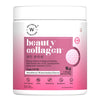 Beauty Collagen Strawberry Watermelon Flavour
₹1,939 – ₹7,196
Beauty Collagen Strawberry Watermelon Flavour
₹1,939 – ₹7,196
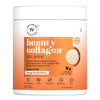 Beauty Korean Marine Collagen Peptides Mango Peach Flavour
₹1,939 – ₹7,196
Beauty Korean Marine Collagen Peptides Mango Peach Flavour
₹1,939 – ₹7,196
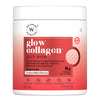 Glow Korean Marine Collagen Peptides with Liposomal Glutathione & Vitamin C | Tropical Bliss Flavour | 250g
₹1,939 – ₹7,196
Glow Korean Marine Collagen Peptides with Liposomal Glutathione & Vitamin C | Tropical Bliss Flavour | 250g
₹1,939 – ₹7,196
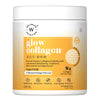 Glow Korean Marine Collagen Peptides with Liposomal Glutathione & Vitamin C | Valencia Orange Flavour | 250g
₹1,939 – ₹7,196
Glow Korean Marine Collagen Peptides with Liposomal Glutathione & Vitamin C | Valencia Orange Flavour | 250g
₹1,939 – ₹7,196
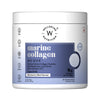 Korean Marine Collagen - Blueberry Mint
₹1,018 – ₹1,993
Korean Marine Collagen - Blueberry Mint
₹1,018 – ₹1,993
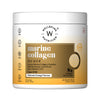 Marine Collagen - Valencia Orange
₹1,018 – ₹1,993
Marine Collagen - Valencia Orange
₹1,018 – ₹1,993
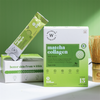 Matcha Collagen
₹1,614
Matcha Collagen
₹1,614
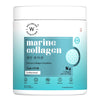 Pure Korean Marine Collagen Peptides | Unflavored | Combat Signs of Ageing
₹1,745 – ₹6,476
Pure Korean Marine Collagen Peptides | Unflavored | Combat Signs of Ageing
₹1,745 – ₹6,476