7 Nutrients to Boost Your Stress Resilience Now
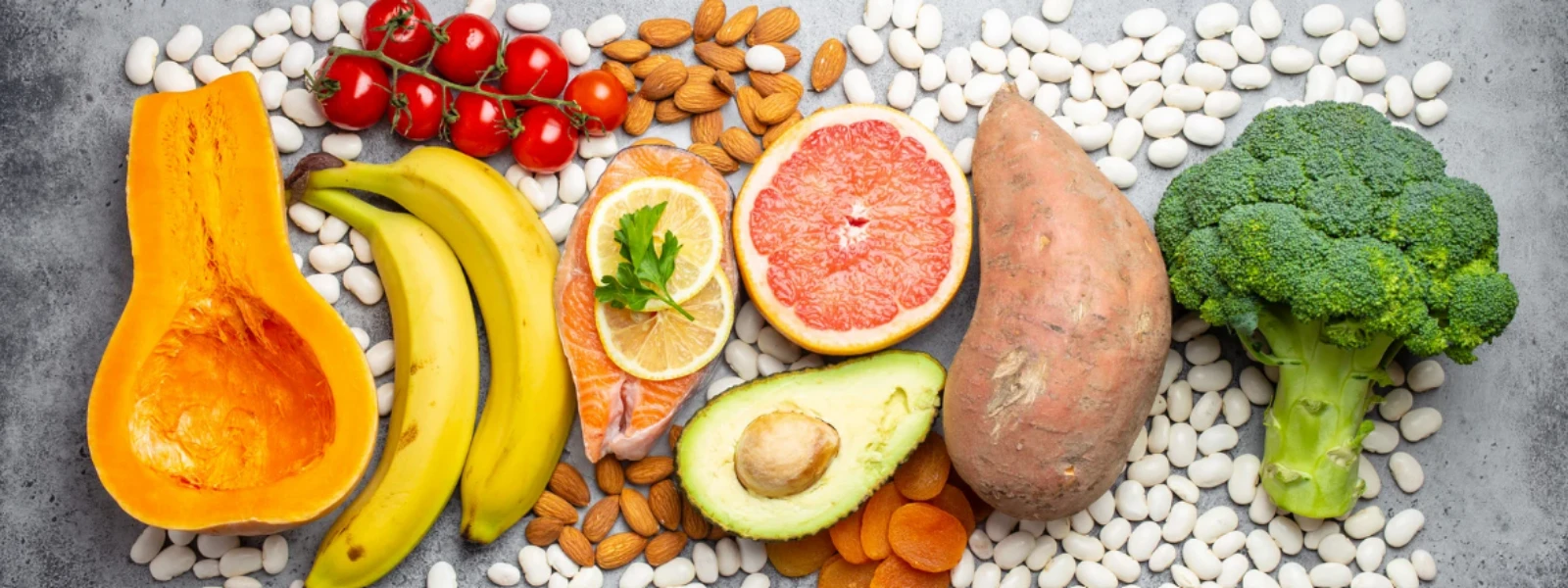


When life feels overwhelming, your body craves more than just rest—it needs the right fuel to bounce back stronger. Modern stress doesn't just drain your energy; it depletes essential nutrients that keep your mind sharp and your mood stable. The good news? Strategic nutrition can transform how your body handles stress, helping you build genuine resilience from the inside out.
This guide reveals seven science-backed nutrients that can dramatically improve your stress response, enhance cognitive function, and support better sleep. You'll discover exactly how these nutrients work, where to find them, and how to use them effectively for maximum stress resilience.
Chronic stress has become our modern epidemic. Research shows that prolonged stress depletes critical nutrients faster than your body can replenish them. When you're stressed, your body burns through magnesium, B vitamins, and other essential compounds at an accelerated rate.
The gut-brain connection plays a crucial role here. Stress disrupts your digestive system, reducing nutrient absorption just when you need these compounds most. This creates a vicious cycle: stress depletes nutrients, which makes you less equipped to handle future stress.
Studies published in nutritional neuroscience journals demonstrate that targeted nutrition can break this cycle. When you provide your body with specific stress-fighting nutrients, you're not just treating symptoms—you're building long-term resilience.
Your stress response involves complex interactions between your nervous system, hormones, and brain chemistry. When stress hits, your body releases cortisol and adrenaline while depleting neurotransmitters like serotonin and GABA.
Chronic inflammation, triggered by ongoing stress, further compromises your body's ability to maintain balance. This is where strategic nutrition becomes powerful. Certain nutrients act as cofactors in neurotransmitter production, while others directly support your body's anti-inflammatory systems.
The connection between sleep and nutrition adds another layer of complexity. Poor sleep disrupts hormone regulation and nutrient metabolism, while nutrient deficiencies can prevent restorative sleep. Understanding this relationship is key to building effective stress resilience nutrition strategies.
Magnesium acts as nature's relaxation mineral. It regulates over 300 enzymatic reactions in your body, many directly related to stress response and sleep quality. When you're stressed, your body rapidly depletes magnesium stores.
Research shows that magnesium supplementation can reduce cortisol levels and improve sleep quality within weeks. The mineral works by activating your parasympathetic nervous system—your body's "rest and digest" mode.
Best food sources include dark leafy greens, nuts, seeds, and whole grains. However, modern soil depletion means many people need additional support through high-quality supplements.
DHA and EPA, the active forms of omega-3s, are essential for brain structure and function. These fatty acids reduce inflammation in the brain and support neurotransmitter production.
Clinical studies demonstrate that omega-3 supplementation can reduce anxiety symptoms and improve cognitive performance under stress. The anti-inflammatory properties help protect brain cells from stress-induced damage.
Fatty fish like salmon and sardines provide the most bioavailable forms. Plant-based sources like flaxseeds and walnuts offer ALA, which your body converts to DHA and EPA, though less efficiently.
B vitamins work together to support energy production and neurotransmitter synthesis. Stress rapidly depletes these water-soluble vitamins, particularly B6, B12, and folate.
Vitamin B6 is crucial for serotonin production, while B12 supports cognitive function and energy metabolism. Folate helps regulate mood and supports healthy sleep patterns.
Whole food sources include leafy greens, legumes, eggs, and nutritional yeast. The synergistic effects of B vitamins make complex formulations more effective than individual supplements.
Vitamin D functions more like a hormone than a traditional vitamin. It regulates mood, supports immune function, and plays a crucial role in stress resilience.
Low Vitamin D levels correlate with increased anxiety, depression, and poor stress tolerance. The vitamin supports healthy cortisol rhythms and neurotransmitter balance.
While sunlight exposure is ideal, many people need supplementation, especially during winter months. Testing your levels helps determine optimal dosing.
Adaptogens are plant compounds that help your body adapt to stress more effectively. Ashwagandha, rhodiola, and holy basil have centuries of traditional use backed by modern research.
These compounds work by modulating your HPA (hypothalamic-pituitary-adrenal) axis, helping normalize cortisol levels and improve stress tolerance over time.
Unlike stimulants that provide temporary energy, adaptogens build long-term resilience without causing dependency or crashes.
Stress increases oxidative damage throughout your body, particularly in the brain. Antioxidants like Vitamin C, Vitamin E, and selenium protect against this damage.
Colorful phytonutrients from fruits and vegetables provide additional protection. Berries, dark chocolate, and green tea offer particularly potent antioxidant compounds.
Timing matters with antioxidants. Taking them with meals improves absorption, while spreading intake throughout the day maintains steady protection.
Specific amino acids directly support stress resilience and cognitive function. L-theanine promotes calm focus without sedation, while tryptophan supports serotonin production and healthy sleep.
GABA precursors help manage anxiety naturally. These amino acids work best when combined with other nutrients that support their conversion and utilization.
Green tea provides L-theanine naturally, while turkey and pumpkin seeds offer tryptophan. Targeted supplementation can provide therapeutic levels when needed.
Did You Know?
Your brain uses about 20% of your daily energy intake, making it particularly vulnerable to nutrient deficiencies during stressful periods. Strategic nutrition can protect cognitive function even under intense pressure.
Building a resilience diet involves more than just adding individual nutrients. Meal timing, food combinations, and overall dietary patterns all influence how effectively your body handles stress.
Start your day with protein and healthy fats to stabilize blood sugar and support sustained energy. Include magnesium-rich foods at dinner to promote better sleep quality.
Avoid foods that increase stress vulnerability, including excessive caffeine, refined sugars, and processed foods. These can trigger inflammation and disrupt your body's natural stress response systems.
Focus on whole foods that provide multiple stress-fighting nutrients simultaneously. A colorful salad with nuts and seeds delivers antioxidants, healthy fats, and minerals in one meal.
Quality sleep is essential for stress resilience, and nutrition plays a crucial role in sleep quality. Poor sleep depletes stress-fighting nutrients while reducing your body's ability to absorb and utilize them effectively.
Evening nutrition should focus on foods that promote relaxation and support natural melatonin production. Tryptophan-rich foods, magnesium, and complex carbohydrates can improve sleep onset and quality.
Timing your last meal 2-3 hours before bed prevents digestive disruption while ensuring your body has the nutrients needed for overnight repair and restoration.
Morning nutrition sets the tone for your entire stress response system. Protein and B vitamins support neurotransmitter production, while steady blood sugar prevents stress hormone spikes.
Brain fog, poor concentration, and memory issues often result from nutrient deficiencies combined with chronic stress. A cognitive function diet addresses these issues systematically.
Omega-3 fatty acids support brain structure, while antioxidants protect against oxidative damage. B vitamins ensure efficient energy production in brain cells.
Hydration plays a crucial role in cognitive performance. Even mild dehydration can impair concentration and increase stress sensitivity. Aim for consistent water intake throughout the day.
Strategic meal timing can optimize cognitive performance during demanding periods. Eating smaller, frequent meals maintains steady blood sugar and prevents energy crashes.
Foods rich in magnesium, omega-3 fatty acids, and B vitamins are particularly effective for natural stress reduction. Dark leafy greens, fatty fish, nuts, seeds, and whole grains provide these nutrients in bioavailable forms. Fermented foods also support gut health, which directly influences stress resilience through the gut-brain connection.
Most people notice initial improvements in energy and mood within 2-4 weeks of consistent nutritional changes. However, building true stress resilience takes 2-3 months as your body replenishes depleted nutrient stores and optimizes metabolic pathways. Consistency is key for long-term benefits.
While nutrition is a powerful tool for stress management, chronic stress typically requires a comprehensive approach. Diet provides the foundation for resilience, but combining it with stress management techniques, adequate sleep, and regular movement creates the most effective strategy. Severe stress may also require professional support.
Stress rapidly depletes magnesium, B vitamins (especially B6, B12, and folate), Vitamin C, and zinc. Chronic stress also increases the need for omega-3 fatty acids and antioxidants. These nutrients are essential for neurotransmitter production, hormone regulation, and cellular protection against stress-induced damage.
Nutrition influences sleep through multiple pathways. Magnesium and tryptophan promote relaxation and melatonin production. B vitamins support healthy circadian rhythms, while stable blood sugar prevents nighttime awakenings. Avoiding caffeine and large meals before bed also improves sleep quality significantly.
Building stress resilience through nutrition isn't about quick fixes—it's about creating sustainable habits that support your body's natural ability to handle life's challenges. The seven nutrients outlined here work synergistically to enhance your stress response, improve cognitive function, and promote restorative sleep. Start by incorporating one or two of these nutrients into your daily routine, then gradually build a comprehensive approach that fits your lifestyle. Remember that consistency matters more than perfection, and small changes can lead to significant improvements in how you feel and function under pressure. Your journey toward greater resilience begins with the very next meal you choose to nourish your body and mind.




Someone sent you
Powered by ReferRush


