How to Support Brain Health Naturally with Supplements?
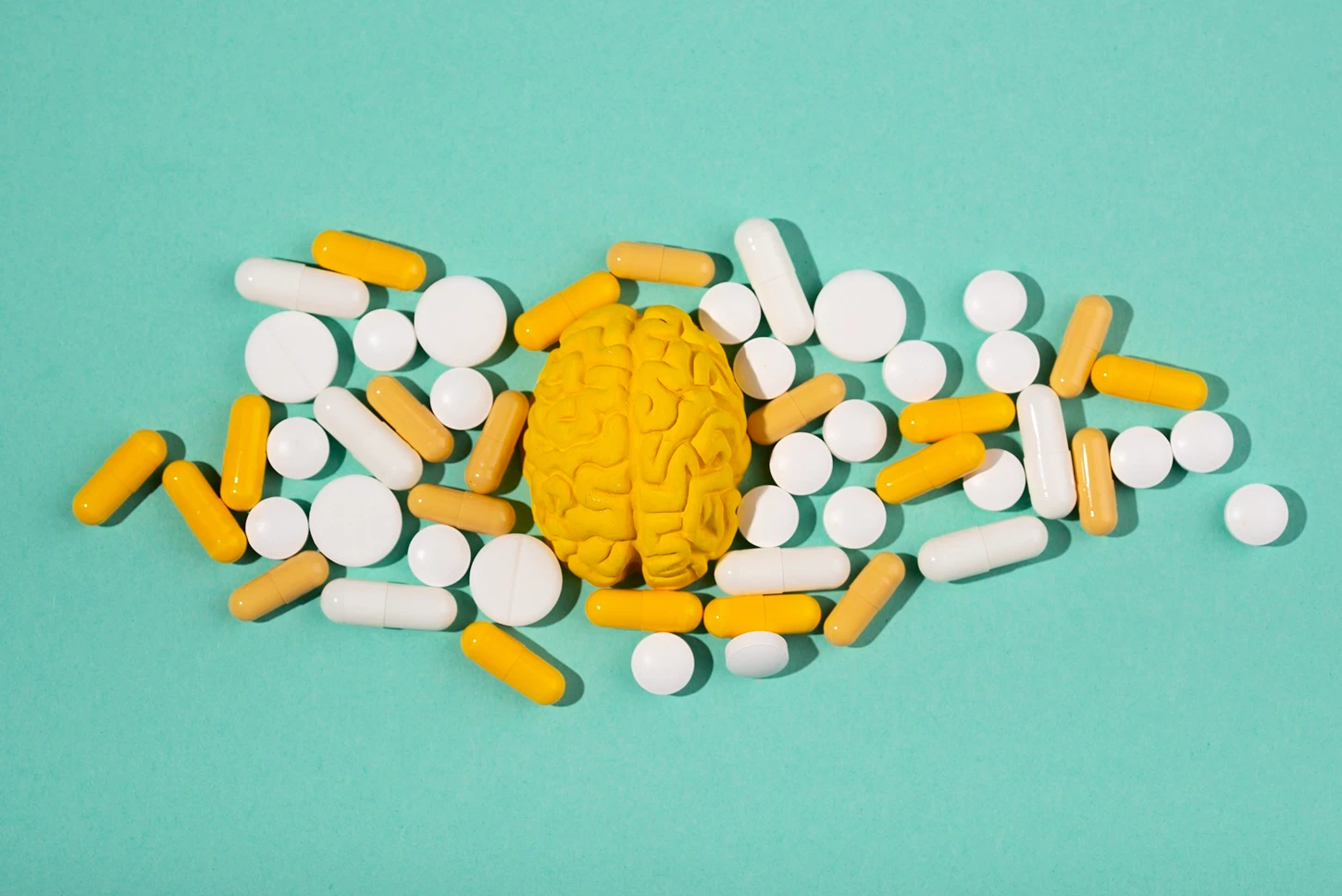


Your brain processes over 70,000 thoughts daily while orchestrating complex cognitive functions that define who you are. Yet, despite its remarkable capabilities, modern lifestyle factors—chronic stress, poor sleep, nutritional deficiencies, and environmental toxins—can significantly impact cognitive performance and long-term brain health. Recent neuroscience research reveals that targeted nutritional support through brain health supplements can play a crucial role in maintaining optimal cognitive function and protecting against age-related decline.
This comprehensive guide explores evidence-based natural brain boosters that support memory, focus, mood regulation, and overall neurological wellness. You'll discover how specific nutrients for brain health work at the cellular level, learn to identify quality supplements, and understand how to integrate these powerful tools into a holistic approach to cognitive enhancement. Whether you're seeking to sharpen mental clarity, support stress resilience, or invest in long-term brain health, this post provides the scientific foundation you need to make informed decisions about cognitive supplementation.
The brain's extraordinary energy demands require precise nutritional support to function optimally. Neurons consume approximately 20% of the body's total energy, making them particularly vulnerable to nutritional deficiencies. Natural brain boosters work through multiple mechanisms: enhancing neurotransmitter production, supporting mitochondrial function, reducing neuroinflammation, and promoting neuroplasticity—the brain's ability to form new neural connections.
Understanding bioavailability is crucial when selecting brain health supplements. The blood-brain barrier, a protective mechanism that filters substances entering brain tissue, determines which nutrients can effectively reach neural cells. Certain compounds like omega-3 fatty acids, specific B vitamins, and carefully formulated nootropics can cross this barrier efficiently, while others require specialized delivery systems or precursor forms to achieve therapeutic concentrations.
Modern neuroscience demonstrates that the adult brain maintains remarkable plasticity throughout life. Strategic supplementation with nutrients for brain health can support this neuroplasticity by providing the raw materials necessary for synaptic formation, myelin maintenance, and neurotransmitter synthesis. Building cognitive reserve through targeted nutrition becomes increasingly important as we age, potentially delaying the onset of cognitive decline.
Docosahexaenoic acid (DHA) and eicosapentaenoic acid (EPA) comprise approximately 60% of brain tissue by weight. These essential fatty acids support membrane fluidity, reduce neuroinflammation, and facilitate neurotransmitter function. Clinical studies indicate that optimal omega-3 levels correlate with improved memory performance, enhanced mood regulation, and reduced risk of cognitive decline. Quality fish oil supplements should provide a minimum EPA:DHA ratio of 2:1 for optimal brain health benefits.
The B-vitamin family plays interconnected roles in brain metabolism and neurotransmitter synthesis. Vitamin B12 supports myelin formation and prevents neural damage, while folate (Vitamin B9) facilitates DNA repair and neurotransmitter production. Vitamin B6 is essential for serotonin and dopamine synthesis, directly impacting mood and cognitive function. Deficiencies in these vitamins can manifest as brain fog, memory issues, and mood disturbances, making B-complex supplementation particularly valuable for cognitive support.
Magnesium participates in over 300 enzymatic reactions, many of which directly impact brain function. This essential mineral regulates NMDA receptors, supports healthy sleep patterns, and helps manage stress responses. Research indicates that magnesium deficiency affects approximately 50% of adults, potentially contributing to anxiety, poor sleep quality, and cognitive dysfunction. Highly bioavailable forms like magnesium glycinate or magnesium L-threonate offer superior absorption and brain penetration.
Lion's Mane (Hericium erinaceus) contains unique compounds called hericenones and erinacines that stimulate nerve growth factor (NGF) production. This remarkable mushroom supports neurogenesis, enhances memory formation, and may protect against neurodegenerative conditions. Clinical trials demonstrate significant improvements in cognitive function after 16 weeks of supplementation, with benefits persisting even after discontinuation.
This traditional Ayurvedic herb has gained substantial scientific validation for its cognitive-enhancing properties. Bacopa's active compounds, called bacosides, support synaptic communication and protect neurons from oxidative stress. Studies reveal consistent improvements in memory consolidation, information processing speed, and attention span with standardized Bacopa extracts containing 50% bacosides.
As a premier adaptogenic herb, Rhodiola helps the brain adapt to stress while maintaining cognitive performance under pressure. Its active compounds, rosavin and salidroside, support healthy cortisol levels and enhance mental energy without the jittery effects associated with stimulants. Research indicates particular benefits for reducing mental fatigue and improving concentration during stressful periods.
Quality brain health supplements undergo rigorous third-party testing for potency, purity, and contaminants. Look for products certified by organizations like NSF International, USP, or ConsumerLab. These certifications ensure that supplements contain the stated ingredients in the correct amounts and are free from harmful substances like heavy metals, pesticides, and microbial contaminants. When evaluating supplements, prioritize those with superior ingredients, highly absorbable formats, palatable flavors to ensure consistent daily use and maximum therapeutic benefits.
The form of nutrients significantly impacts their bioavailability and therapeutic potential. For example, methylated B vitamins bypass genetic variations that affect folate metabolism, while liposomal delivery systems enhance the absorption of fat-soluble compounds. Understanding these factors helps you select supplements that deliver maximum cognitive benefits.
Herbal brain health supplements should specify standardization levels for active compounds. For instance, quality Ginkgo biloba extracts are standardized to 24% flavone glycosides and 6% terpene lactones. This standardization ensures consistent potency and therapeutic effects across different batches and manufacturers.
Did You Know?
Research from major universities found that adults who consumed omega-3 supplements for six months showed a 26% improvement in memory tests compared to placebo groups. The study also revealed increased gray matter volume in brain regions associated with memory and learning, suggesting that proper nutrition can literally help grow brain tissue.
Emerging research reveals the profound connection between gut health and cognitive function. The gut microbiome produces approximately 90% of the body's serotonin, directly influencing mood and cognitive performance. Probiotic supplements containing specific strains like Lactobacillus helveticus and Bifidobacterium longum have demonstrated mood-supporting benefits in clinical trials.
This powerful adaptogen helps regulate the hypothalamic-pituitary-adrenal (HPA) axis, supporting healthy stress responses and cognitive function. Clinical studies using standardized ashwagandha root extract (containing 5% withanolides) show significant reductions in perceived stress and improvements in attention and information processing speed within 8 weeks of supplementation.
Found naturally in green tea, L-theanine promotes relaxed alertness by increasing alpha brain wave activity. This unique amino acid enhances focus and attention while reducing anxiety, making it particularly valuable for cognitive performance under stress. When combined with moderate caffeine intake, L-theanine provides sustained mental energy without jitters or crashes.
Chronic stress elevates cortisol levels, which can impair memory formation, reduce neuroplasticity, and accelerate cognitive aging. The hippocampus, crucial for memory and learning, is particularly vulnerable to prolonged stress exposure. Implementing stress relief for brain health through targeted supplementation can help protect against these detrimental effects while supporting optimal cognitive performance.
This phospholipid comprises approximately 15% of brain phospholipids and plays crucial roles in cellular communication and stress response. Phosphatidylserine supplementation has been shown to blunt cortisol responses to stress while supporting memory and cognitive function. Clinical trials demonstrate particular benefits for age-related cognitive decline and exercise-induced stress.
Gamma-aminobutyric acid (GABA) serves as the brain's primary inhibitory neurotransmitter, promoting relaxation and reducing neural excitability. While GABA supplements have limited ability to cross the blood-brain barrier, certain natural compounds like passionflower and lemon balm can enhance GABAergic activity, supporting calm focus and stress resilience.
Most people begin noticing subtle improvements in mental clarity and energy within 2-4 weeks of consistent supplementation. However, more significant cognitive benefits, particularly for memory and learning, typically become apparent after 8-12 weeks of regular use. Some nutrients like omega-3 fatty acids may require 3-6 months to achieve optimal brain tissue levels and maximum cognitive benefits.
Yes, certain brain health supplements can interact with medications. Omega-3 supplements may enhance blood-thinning effects of anticoagulant medications, while some herbal nootropics can affect liver enzyme activity and drug metabolism. Always consult with healthcare providers before starting new supplements, especially if you take prescription medications or have underlying health conditions.
Most research-backed brain health supplements are considered safe for long-term use when taken at appropriate dosages. However, periodic evaluation by healthcare professionals is recommended to monitor nutrient levels, assess effectiveness, and adjust protocols as needed. Some supplements may require cycling or dosage adjustments over time to maintain optimal benefits.
Natural supplements are derived from whole food sources or minimally processed plant materials, while synthetic versions are created in laboratories. Both can be effective, but natural forms often provide additional cofactors and compounds that may enhance absorption and effectiveness. The choice depends on individual needs, bioavailability requirements, and personal preferences.
Effective brain health supplementation typically results in improved mental clarity, better focus and concentration, enhanced memory recall, more stable mood, and increased mental energy. Keeping a cognitive wellness journal can help track these subjective improvements. Some people also benefit from periodic cognitive assessments or nutrient testing to objectively measure progress.
Supporting brain health naturally through targeted supplementation offers a scientifically-backed approach to enhancing cognitive function and protecting long-term neurological wellness. The nutrients for brain health discussed in this guide—from foundational omega-3 fatty acids and B vitamins to specialized compounds like Lion's Mane mushroom and ashwagandha—work synergistically to support memory, focus, mood regulation, and stress resilience. Quality matters significantly in brain health supplements, making third-party testing, proper standardization, and bioavailable forms essential considerations for optimal results.
Remember that natural brain boosters work most effectively as part of a comprehensive wellness approach that includes quality sleep, regular exercise, stress management, and cognitive challenges. While individual responses vary, most people experience noticeable improvements in mental clarity and cognitive performance within 8-12 weeks of consistent, properly dosed supplementation. As the field of cognitive nutrition continues advancing, personalized approaches based on genetic factors and individual needs promise even more targeted and effective brain health support strategies for the future.




Someone sent you
Powered by ReferRush


