You’ve probably heard both words: melanin and melatonin, and maybe even used them interchangeably. After all, they sound almost identical. But one defines your skin tone, and the other controls your sleep cycle.
Still, so many people mix them up and it’s easy to see why.
Both are naturally produced by your body. Both are linked to light exposure. And both play key roles in protecting your health. But that’s where the similarities end.
While melanin shields you from sunlight during the day, melatonin prepares your body for darkness at night. Together, they form a perfect yin and yang, one defends you in the light, the other restores you in the dark.
Understanding the difference between them isn’t just about clearing up confusion, it’s about understanding how your body maintains balance between day and night, wakefulness and rest, protection and recovery.
Let’s break it down.
What Is Melanin?

Melanin is the pigment responsible for your skin, hair, and eye color. It’s made by specialized skin cells called melanocytes, located in the epidermis, the outer layer of your skin.
There are three main types of melanin:
-
Eumelanin: Produces brown and black tones in skin and hair.
-
Pheomelanin: Creates red and yellow hues.
-
Neuromelanin: Found in specific regions of the brain, possibly offering neuroprotection.
When your skin is exposed to sunlight, melanocytes ramp up production of melanin, your body’s built-in defense against ultraviolet (UV) radiation. Think of it as your natural sunscreen, absorbing and scattering harmful UV rays before they can damage your DNA.
Beyond determining color, melanin acts as a potent antioxidant, neutralizing free radicals and reducing oxidative stress in the skin. This protective role helps delay premature aging and even supports immune resilience at the cellular level.
However, melanin balance can be influenced by multiple factors: genetics, hormones, diet, and even gut health. Deficiency or overproduction can lead to uneven skin tone or pigmentation issues like melasma or vitiligo.
What Is Melatonin?

If melanin protects you during the day, melatonin protects your rest at night.
Melatonin is a hormone produced by the pineal gland, a small structure deep within your brain. It’s released in response to darkness, signalling your body that it’s time to wind down and prepare for sleep. When exposed to light, especially blue light from phones or screens, melatonin production decreases, keeping you alert and awake.
Once melatonin is released, it binds to receptors in your brain’s suprachiasmatic nucleus (SCN), the body’s master clock, reducing neural activity, lowering body temperature, and promoting the natural transition into sleep.
This nightly rhythm helps regulate your circadian clock, influencing not just sleep, but also your metabolism, immune function, and mood.
Studies show that melatonin improves sleep quality by 56%, reduce insomnia severity index by 47% (NIH) & reduce sleep disturbance by 86% (NIH)
But here’s the problem: our modern lifestyles are melatonin disruptors.
Artificial light, late-night scrolling, stress, and irregular schedules all delay melatonin release. The result? Difficulty falling asleep, restless nights, and tired mornings.
Do They Ever Interact?
While melanin and melatonin serve very different functions, researchers have discovered subtle ways they complement each other.
Both respond to light exposure and play crucial roles in defending your cells from oxidative stress.
Melatonin, as a potent antioxidant, can protect skin cells from UV-induced damage, the same kind of stress that activates melanin. Some studies suggest that melatonin influences melanocyte regulation, helping balance melanin synthesis and prevent photoaging (NIH).
In simpler terms, melatonin doesn’t make your skin darker, but it can enhance your skin’s nighttime recovery, working alongside melanin’s daytime defense.
Together, they form your body’s 24-hour protection cycle:
☀️ Melanin guards against light-induced damage during the day.
🌙 Melatonin restores and repairs tissue during the night.
They don’t transform into each other, but they work in harmony to keep your skin, sleep, and cells balanced through every sunrise and sunset.
Common Myths About Melanin vs Melatonin
❌ “Melanin helps you sleep.”
→ Melanin has no role in sleep regulation; it only determines pigmentation.
❌ “Melatonin lightens your skin.”
→ Melatonin doesn’t affect pigmentation; it only signals your brain for rest.
❌ “They’re produced in the same part of the body.”
→ Melanin is made by skin cells (melanocytes), while melatonin comes from the pineal gland in the brain.
❌ “More melatonin means better sleep.”
→ Higher doses don’t guarantee better sleep. In fact, excess melatonin can cause morning grogginess or disrupt your natural rhythm.
❌ “Taking melatonin daily is unsafe.”
→ Short-term daily use is considered safe for most adults, but dosage and timing matter. Long-term use should be guided by a healthcare professional.
How to Support Both Naturally
To boost melanin naturally:
-
Eat antioxidant-rich foods (berries, nuts, dark leafy greens).
-
Get safe, moderate sun exposure.
-
Support your diet with vitamin A, E, copper, and tyrosine.
-
Maintain a balanced gut microbiome for healthy nutrient absorption.
To support melatonin naturally:
-
Avoid screens 1 hour before bed.
-
Keep your bedroom cool, dark, and device-free.
-
Follow a consistent sleep schedule.
-
Eat melatonin-rich foods like tart cherries, walnuts, and oats.
-
If needed, try clinically backed melatonin supplements—starting with low-dose options like melatonin 5 mg or melatonin 10 mg to help reset your body clock.
Closing Thoughts
The confusion between Melanin vs Melatonin isn’t just about pronunciation, it’s about understanding how beautifully your body synchronizes with the world around you.
Melanin protects you from the sun’s intensity while Melatonin helps you recover from it.
One defends your body in the daylight, while the other restores it in the dark.
When you support both through nutrition, lifestyle, and rhythm, you’re not just caring for your skin or your sleep, you’re nurturing the body’s natural harmony between protection and rest.
So next time you hear someone mix them up, you’ll know:
Melanin gives you your glow. Melatonin helps you restore it. 🌞🌙
FAQ
1. What is the main difference between melanin and melatonin?
Melanin vs Melatonin may sound similar, but they play opposite roles in your body.
Melanin is a pigment that gives your skin, hair, and eyes their color and protects against UV damage.
Melatonin, on the other hand, is a hormone produced by your brain to regulate sleep and your circadian rhythm.
In short, melanin protects you in the day, while melatonin restores you at night.
2. Can melanin and melatonin affect each other?
Yes. Both respond to light exposure and share antioxidant roles in the body.
Melatonin helps protect skin cells from UV-induced oxidative stress, the same trigger that activates melanin.
Some research even suggests melatonin can help regulate melanocyte activity, balancing melanin production and reducing photoaging.
3. Does taking melatonin supplements make your skin darker?
No, melatonin does not darken skin. While the words sound similar, melatonin doesn’t increase melanin levels.
Melatonin works in the brain to regulate your sleep-wake cycle, it doesn’t affect pigment-producing cells in your skin.
4. Does melatonin lighten skin or reduce pigmentation?
No, melatonin doesn’t lighten or bleach the skin. However, its antioxidant and anti-inflammatory effects may indirectly support skin health by reducing oxidative stress and inflammation that can contribute to pigmentation issues.
5. When is the best time to take melatonin for optimal results?
For most people, melatonin works best when taken 30–60 minutes before bedtime, at the same time each night.
If you’re adjusting to a new sleep schedule (like jet lag or shift work), timing is key, take it in sync with your desired bedtime to help realign your circadian rhythm.
6. Can a lack of melatonin or melanin affect your health?
Yes, but in very different ways.
Low melatonin levels can lead to poor sleep, fatigue, and oxidative stress, while low melanin may increase sun sensitivity and risk of UV-related skin damage.
Both are essential, one for nighttime recovery, the other for daytime protection.
7. Is it safe to take melatonin daily for better sleep?
For most healthy adults, short-term daily melatonin use (up to 12 weeks) is considered safe and non-habit-forming.
The key is correct timing and dosage, usually 0.3 to 3 mg taken 30–60 minutes before bed.
Long-term data is still limited, so it’s best to use melatonin as a reset tool for your natural sleep rhythm, not as a permanent fix.

Recommended Products
 Restful Sleep (5mg)
₹649 – ₹1,298
Restful Sleep (5mg)
₹649 – ₹1,298
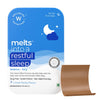 Restful Sleep Melts (10mg)
₹649 – ₹1,298
Restful Sleep Melts (10mg)
₹649 – ₹1,298