Essential Checklist: Stop Midnight Cravings Now
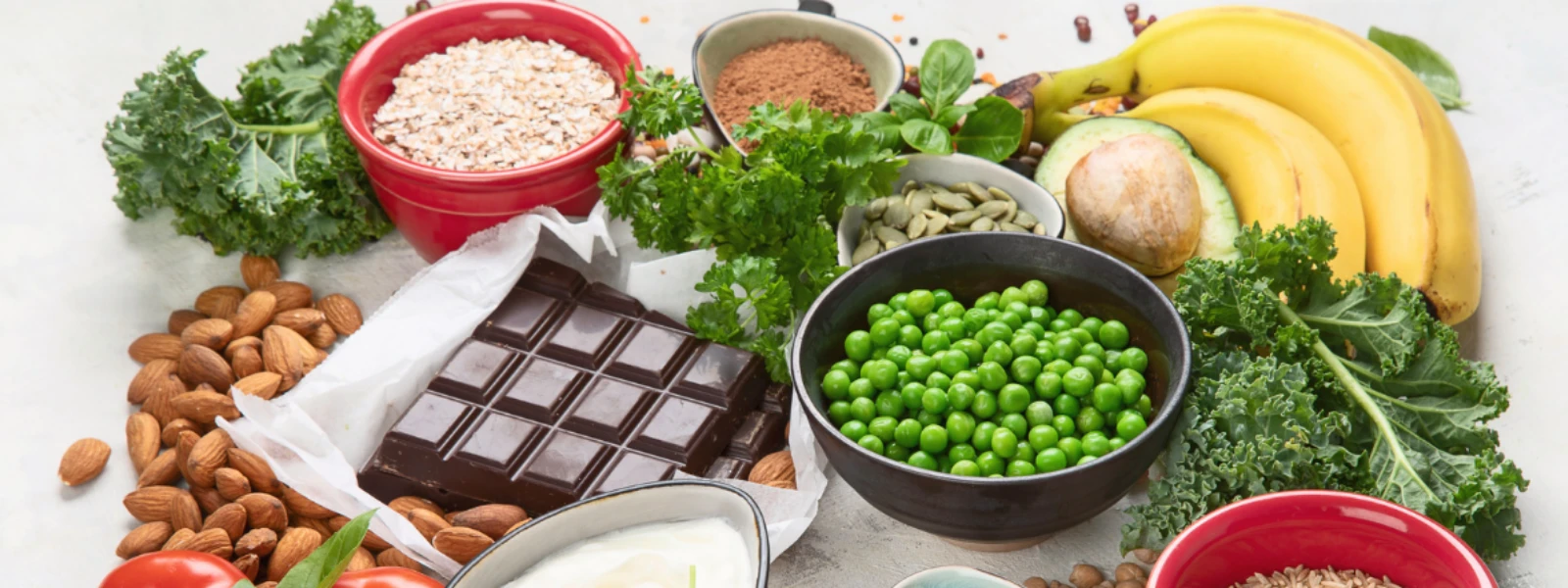


Late night cravings affect nearly 70% of adults, often derailing weight management goals and disrupting healthy eating patterns. These midnight hunger pangs aren't just about willpower—they're driven by complex hormonal and metabolic processes that can be managed through strategic nutrition choices.
Understanding the science behind late night cravings and implementing targeted nutrition strategies can help you regain control over your evening eating habits. This comprehensive guide provides evidence-based approaches to reduce midnight cravings through proper meal timing, nutrient balance, and smart food choices.
By following this essential checklist, you'll learn how to satisfy your body's nutritional needs throughout the day, preventing the hormonal imbalances that trigger late night hunger. These strategies focus on sustainable nutrition practices that support both craving control and overall metabolic health.
Late night cravings stem from intricate hormonal fluctuations that occur throughout the day. Understanding these biological processes helps explain why food cravings intensify during evening hours and provides insight into effective prevention strategies.
Two key hormones regulate hunger and satiety: ghrelin and leptin. Ghrelin, often called the "hunger hormone," typically rises before meals and falls after eating. However, irregular eating patterns can disrupt this natural rhythm, causing ghrelin levels to spike unexpectedly during late evening hours.
Leptin, the satiety hormone, signals fullness to your brain. When leptin sensitivity decreases due to poor sleep or chronic stress, your brain doesn't receive proper fullness signals, leading to persistent hunger even after adequate food intake.
Cortisol, your body's primary stress hormone, also influences late night cravings. Elevated cortisol levels, common in our high-stress modern lifestyle, can trigger cravings for high-calorie, comfort foods during evening hours when cortisol should naturally decline.
Your internal body clock, or circadian rhythm, significantly affects metabolism and cravings. Research shows that insulin sensitivity naturally decreases in the evening, making your body less efficient at processing carbohydrates consumed later in the day.
Disrupted sleep patterns further compound this issue by altering the timing of hormone release. When your circadian rhythm is off-balance, hunger hormones can surge at inappropriate times, creating intense late night cravings that feel impossible to resist.
Did You Know?
Studies reveal that people who eat their largest meal later in the day lose weight more slowly than those who consume most calories earlier, even when total daily intake remains the same.
Effective craving control starts with strategic nutrition choices throughout the day. By optimizing your macronutrient intake and meal timing, you can maintain stable blood sugar levels and hormone balance that naturally suppress late night hunger.
Protein plays a crucial role in appetite suppression and should be prioritized at every meal. Consuming 25-30 grams of protein at dinner helps maintain satiety throughout the evening hours. High-quality protein sources like lean meats, fish, eggs, and legumes provide sustained energy and support muscle maintenance during overnight fasting.
Complex carbohydrates paired with protein create a more stable blood sugar response compared to simple sugars alone. Choose whole grains, vegetables, and fruits that provide fiber along with carbohydrates to slow digestion and extend satiety.
Healthy fats support hormone production and enhance meal satisfaction. Including sources like avocados, nuts, seeds, and olive oil in your evening meal can help regulate hunger hormones and reduce the likelihood of late night cravings.
Consistent meal timing helps regulate your body's internal hunger cues. Eating your largest meal earlier in the day aligns with your natural circadian rhythm and insulin sensitivity patterns, supporting better weight management nutrition outcomes.
Aim to finish your last substantial meal at least three hours before bedtime. This timing allows for proper digestion while preventing the blood sugar fluctuations that can trigger midnight hunger pangs.
Dehydration often masquerades as hunger, particularly during evening hours when fluid intake typically decreases. Maintaining adequate hydration throughout the day can significantly reduce false hunger signals.
Certain micronutrient deficiencies contribute to increased food cravings. Magnesium deficiency, for example, can intensify sugar cravings and disrupt sleep quality. B-vitamins support energy metabolism and neurotransmitter production, while chromium helps regulate blood sugar levels and reduce carbohydrate cravings.
When late night hunger strikes despite your best prevention efforts, choosing the right evening snack ideas can satisfy cravings without derailing your nutrition goals. Focus on options that combine protein, fiber, and healthy fats to promote satiety.
Greek yogurt with fresh berries provides high-quality protein along with natural sweetness and fiber. Choose plain varieties to avoid added sugars that might trigger additional cravings.
Cottage cheese paired with cucumber slices or cherry tomatoes offers casein protein, which digests slowly and provides sustained amino acid release throughout the night. This combination supports muscle recovery while keeping calories in check.
For plant-based options, consider a small serving of hummus with vegetable sticks or a handful of roasted chickpeas seasoned with herbs and spices.
Apple slices with a tablespoon of almond butter create a satisfying combination of fiber, healthy fats, and natural sweetness. The fiber helps slow digestion while the protein and fat promote lasting satiety.
Half an avocado with a sprinkle of sea salt and lime juice provides healthy monounsaturated fats and fiber. This combination supports hormone production while satisfying creamy texture cravings.
A small handful of mixed nuts and seeds offers protein, healthy fats, and various micronutrients that support overall metabolic health.
Herbal teas like chamomile, peppermint, or ginger can provide comfort and warmth while supporting digestion and relaxation. Some herbs have natural appetite suppression properties that may help reduce cravings.
Warm bone broth or vegetable broth provides minerals and protein while offering the psychological satisfaction of a warm, savory meal without excessive calories.
Light vegetable soups made with non-starchy vegetables can provide volume and nutrients while keeping calorie intake minimal.
This comprehensive checklist provides daily action items to implement nutrition strategies that reduce midnight cravings. Following these guidelines consistently helps establish healthy eating patterns that naturally suppress late night hunger.
☐ Morning protein intake: Consume at least 20 grams of protein within one hour of waking to kickstart metabolism and establish stable blood sugar levels for the day.
☐ Balanced lunch: Include lean protein, complex carbohydrates, healthy fats, and fiber-rich vegetables to maintain energy and prevent afternoon energy crashes that lead to evening overeating.
☐ Strategic dinner timing: Finish your main evening meal at least three hours before bedtime to allow proper digestion and prevent sleep disruption.
☐ Hydration targets: Aim for adequate water intake throughout the day, tapering off 2-3 hours before bed to prevent sleep interruptions while maintaining proper hydration.
☐ Kitchen cleanup ritual: Clean and organize your kitchen after dinner to create a psychological barrier against late night eating and establish clear meal boundaries.
☐ Herbal tea preparation: Prepare a warm, caffeine-free beverage to satisfy the desire for something comforting without triggering cravings.
☐ Stress-reduction activities: Engage in relaxing activities like reading, gentle stretching, or meditation to manage cortisol levels that contribute to craving control issues.
☐ Sleep environment preparation: Create optimal sleep conditions to support healthy hormone production and circadian rhythm regulation.
Sustainable craving control requires thoughtful modifications to your overall eating pattern. These changes support stable blood sugar, balanced hormones, and improved metabolic health that naturally reduces late night hunger.
High-fiber vegetables like broccoli, Brussels sprouts, and leafy greens provide volume and nutrients while requiring significant energy to digest. This thermic effect helps maintain metabolism while promoting satiety.
Lean proteins such as chicken breast, fish, and tofu have the highest thermic effect of all macronutrients, meaning your body burns more calories digesting them compared to fats or carbohydrates.
Complex carbohydrates like quinoa, sweet potatoes, and oats provide steady energy release and support serotonin production, which can help regulate mood and reduce stress-related cravings.
Highly processed foods containing refined sugars and artificial additives can trigger blood sugar spikes followed by crashes that intensify hunger and cravings.
While artificial sweeteners may seem like a healthier alternative, some research suggests they may disrupt gut bacteria and potentially increase appetite in certain individuals.
High-sodium processed foods can increase thirst and fluid retention, which may be misinterpreted as hunger signals, particularly during evening hours when hydration naturally decreases.
Different triggers require specific strategies for effective craving control. Understanding the root cause of your late night hunger helps you choose the most appropriate intervention technique.
Chronic stress elevates cortisol levels, which can increase appetite and drive cravings for high-calorie comfort foods. Managing stress through nutrition involves consuming foods rich in magnesium, omega-3 fatty acids, and B-vitamins that support nervous system function.
Alternative stress-relief strategies include deep breathing exercises, gentle yoga, or journaling to address the emotional component of stress eating without turning to food for comfort.
When stress cravings hit, try drinking a large glass of water first, then engage in a brief mindfulness exercise to determine if the craving stems from true hunger or emotional needs.
True physical hunger develops gradually and can be satisfied with various food options. Boredom-driven eating typically involves specific cravings for particular foods and occurs suddenly without physical hunger cues.
Before eating, ask yourself when you last had a meal and whether you're experiencing physical hunger signs like stomach rumbling, low energy, or difficulty concentrating.
Develop a list of non-food activities you can engage in when boredom strikes, such as reading, calling a friend, taking a shower, or working on a hobby project.
A balanced approach combining adequate protein throughout the day, stable blood sugar management through complex carbohydrates, and proper hydration provides the most effective foundation for reducing midnight cravings. Focus on eating regular meals with 20-30 grams of protein and finishing your last substantial meal 3+ hours before bedtime.
Most people notice a significant reduction in late night cravings within 1-2 weeks of implementing consistent nutrition strategies. However, complete habit change typically takes 4-6 weeks as your body adjusts to new eating patterns and hormone levels stabilize.
If you're experiencing true hunger late at night, a small, balanced snack under 200 calories is better than going to bed hungry, which can disrupt sleep and lead to overeating the next day. Choose options combining protein and fiber for sustained satiety without excessive calories.
Sudden nighttime cravings often result from blood sugar fluctuations, dehydration, stress-induced cortisol release, or disrupted circadian rhythms. Poor sleep quality and irregular meal timing throughout the day can also trigger unexpected late night hunger.
Your metabolism naturally slows in the evening as insulin sensitivity decreases and your body prepares for rest. This metabolic shift can make you more sensitive to blood sugar changes, potentially triggering cravings if you haven't maintained stable nutrition throughout the day.
Managing midnight cravings requires a comprehensive approach that addresses the underlying hormonal and metabolic factors driving late night hunger. By implementing strategic nutrition timing, choosing satisfying macronutrient combinations, and maintaining consistent eating patterns, you can significantly reduce the frequency and intensity of evening food cravings. The key lies in supporting your body's natural circadian rhythms through proper meal timing and nutrient balance rather than relying on willpower alone. These evidence-based strategies provide a sustainable foundation for long-term craving control and improved metabolic health. Start implementing these nutrition principles gradually, and expect to see meaningful improvements in your late night eating patterns within 2-4 weeks of consistent practice.




Someone sent you
Powered by ReferRush


