Vegan Collagen: Benefits vs. Risks for Immunity
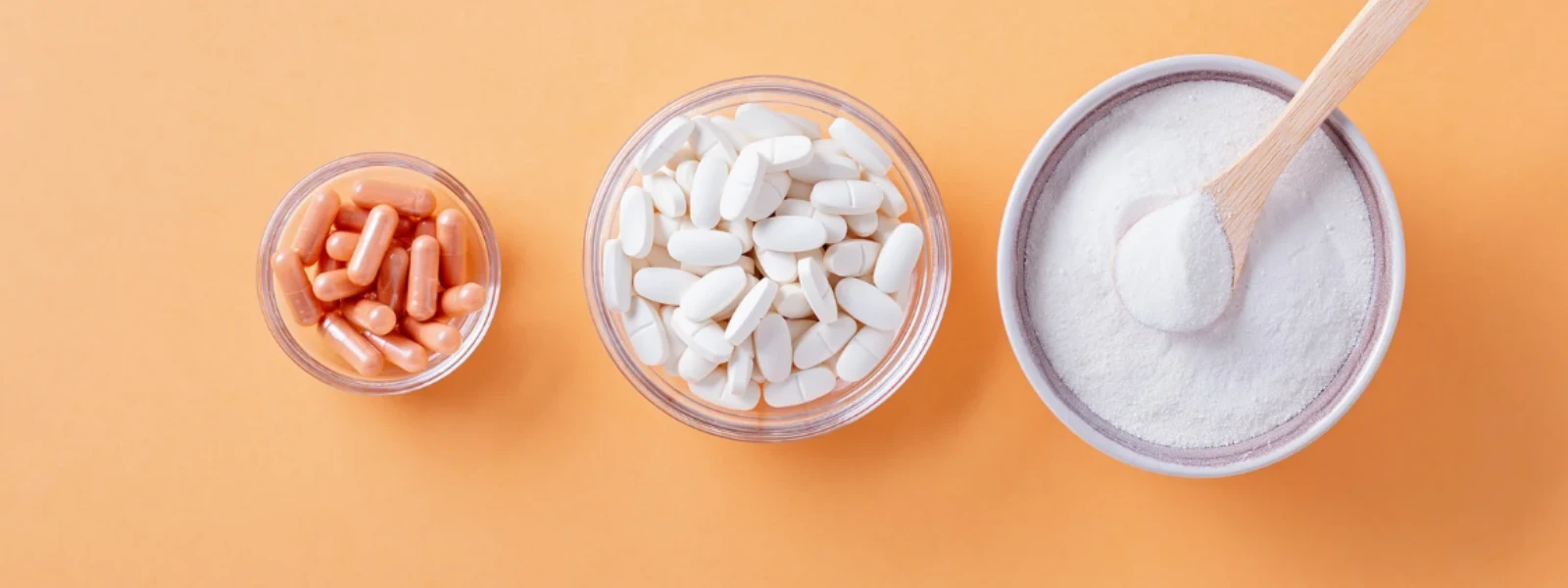


The world of nutrition has witnessed a remarkable shift towards plant-based alternatives, with vegan collagen emerging as a compelling option for those seeking immune support without animal-derived ingredients. While traditional collagen comes from animal sources, innovative vegan collagen alternatives harness the power of plant-based nutrients to support your body's natural collagen production and bolster immune function. This comprehensive exploration examines the benefits and potential risks of vegan collagen for immune support, helping you make informed decisions about incorporating these supplements into your wellness routine.
Vegan collagen represents a paradigm shift in how we approach collagen supplementation. Unlike animal-derived collagen, which provides ready-made collagen peptides, vegan collagen alternatives focus on supplying your body with the essential building blocks needed to produce collagen naturally. These plant-based formulations typically contain amino acids like glycine, proline, and hydroxyproline, along with Vitamin C, zinc, and other cofactors that support collagen synthesis.
The fundamental difference lies in the approach: rather than consuming pre-formed collagen, vegan collagen supplements provide your body with the raw materials and catalysts necessary for endogenous collagen production. This process can have significant metabolic benefits, as your body actively engages in protein synthesis, potentially boosting overall metabolic function.
Plant-based collagen sources often include ingredients like bamboo extract, acerola cherry, and various amino acid complexes derived from legumes and grains. These components work synergistically to support not only collagen production but also broader aspects of cellular health and immune function.
Research indicates that specific plant compounds can effectively stimulate collagen production in human cells. Vitamin C, abundantly found in plant sources, serves as a crucial cofactor in collagen synthesis, while plant-derived antioxidants help protect existing collagen from degradation caused by oxidative stress.
The relationship between collagen and immune function extends far beyond skin health. Vegan collagen alternatives offer several mechanisms through which they support immune system resilience and overall health maintenance.
Amino acids present in vegan collagen formulations play crucial roles in immune cell function and antibody production. Glycine, for instance, supports the synthesis of glutathione, one of the body's most powerful antioxidants. This amino acid also helps regulate immune responses and reduce excessive inflammation that can compromise immune efficiency.
The gut-immune connection represents another significant avenue through which vegan collagen supports immunity. Plant-based collagen building blocks help maintain intestinal barrier function, preventing harmful substances from entering the bloodstream and triggering unnecessary immune responses. A healthy gut lining allows beneficial nutrients to be absorbed while keeping pathogens at bay.
Vegan collagen alternatives often contain potent antioxidant compounds that protect immune cells from oxidative damage. These antioxidants help maintain the structural integrity of immune cells, ensuring they can function optimally when responding to threats.
The anti-inflammatory properties of many plant-based collagen ingredients help create an environment where immune cells can work efficiently without being overwhelmed by chronic inflammation. This balanced inflammatory response is crucial for maintaining long-term immune health and preventing autoimmune reactions.
Did You Know?
Studies suggest that adequate collagen synthesis requires not just amino acids, but also specific vitamins and minerals. Vitamin C deficiency can reduce collagen production by up to 60%, highlighting the importance of comprehensive plant-based formulations that include these essential cofactors.
While vegan collagen alternatives generally present fewer risks than animal-derived supplements, understanding potential side effects remains important for safe supplementation. Most plant-based collagen formulations are well-tolerated, but individual responses can vary based on personal health status and existing conditions.
Digestive sensitivity represents the most common concern when beginning vegan collagen supplementation. Some individuals may experience mild digestive discomfort, particularly when starting with higher doses. This typically occurs as the digestive system adjusts to increased amino acid intake and usually resolves within a few days of consistent use.
Allergic reactions, while rare, can occur in individuals sensitive to specific plant ingredients commonly found in vegan collagen formulations. Those with known allergies to legumes, soy, or specific botanical extracts should carefully review ingredient lists before beginning supplementation.
Starting with smaller doses and gradually increasing intake can help minimize digestive adjustment periods. Taking vegan collagen supplements with meals often reduces the likelihood of stomach upset and improves absorption of fat-soluble vitamins that may be included in the formulation.
Individuals taking medications should consult healthcare providers before adding vegan collagen supplements to their routine, as certain plant compounds may interact with specific medications or affect absorption rates.
The metabolic benefits of vegan collagen extend beyond simple protein supplementation. The process of supporting endogenous collagen production requires significant metabolic energy, potentially contributing to increased caloric expenditure and improved metabolic efficiency.
Amino acids in vegan collagen formulations support muscle protein synthesis, which is crucial for maintaining lean muscle mass. Higher muscle mass correlates with increased metabolic rate, as muscle tissue burns more calories at rest compared to fat tissue. This relationship makes vegan collagen a valuable tool for those focused on weight management and metabolic health.
The thermic effect of protein digestion also contributes to metabolic benefits. Processing amino acids requires energy expenditure, meaning your body burns calories simply by digesting and utilizing these nutrients. This process can contribute to overall caloric balance and support healthy weight maintenance.
Additionally, proper collagen synthesis supports connective tissue health, which is essential for physical activity and exercise performance. Better connective tissue function can lead to improved workout capacity and recovery, further supporting metabolic health through increased physical activity.
Several plant-based options effectively support collagen production while providing immune-boosting benefits. Vitamin C-rich sources like acerola cherry and camu camu provide exceptional support for collagen synthesis while delivering powerful antioxidant protection.
Bamboo extract, naturally high in silica, supports collagen structure and helps maintain the strength and flexibility of connective tissues. This mineral also plays a role in immune cell function and overall cellular health.
Plant-based amino acid complexes derived from pea protein, hemp seeds, and other legumes provide the building blocks necessary for collagen production. These sources often come with additional benefits like fiber, vitamins, and minerals that support overall health.
Hyaluronic acid from vegan sources supports tissue hydration and creates an environment conducive to healthy collagen function. While not directly providing collagen, this compound helps maintain the structural integrity of tissues where collagen operates.
Successful integration of vegan collagen alternatives requires understanding optimal timing, dosage, and combination strategies. Most research suggests taking these supplements consistently rather than sporadically for best results.
Morning supplementation often works well for many individuals, as it provides amino acids and nutrients that can be utilized throughout the day for various metabolic processes. However, some people prefer evening supplementation to support overnight recovery and repair processes.
Combining vegan collagen alternatives with other immune-supporting nutrients can enhance overall benefits. Zinc, selenium, and additional antioxidants work synergistically with collagen-supporting ingredients to create comprehensive immune support.
Lifestyle factors significantly influence the effectiveness of vegan collagen supplementation. Adequate sleep, regular exercise, and stress management all support natural collagen production and immune function. Hydration also plays a crucial role, as proper fluid balance is necessary for optimal nutrient transport and cellular function.
Vegan collagen alternatives support immunity by providing amino acids necessary for immune cell function, antioxidants that protect against cellular damage, and nutrients that maintain gut barrier function. These supplements help create an environment where immune cells can work efficiently while supporting the body's natural defense mechanisms.
Most vegan collagen alternatives are well-tolerated with minimal risks. Some individuals may experience mild digestive adjustment when beginning supplementation. Those with plant allergies should review ingredients carefully, and anyone taking medications should consult healthcare providers before starting new supplements.
Vegan collagen supports metabolism by providing amino acids for muscle protein synthesis, requiring energy for digestion and utilization, and supporting connective tissue health that enables physical activity. These factors contribute to increased metabolic rate and improved overall metabolic efficiency.
Vegan collagen alternatives work differently than animal-based collagen by supporting your body's natural collagen production rather than providing pre-formed collagen peptides. While the mechanisms differ, plant-based approaches can effectively support collagen synthesis and provide similar benefits for many individuals.
Excellent natural sources include Vitamin C-rich fruits like acerola cherry and citrus, amino acid-rich legumes and seeds, silica-containing bamboo extract, and antioxidant-dense berries and leafy greens. These whole food sources provide comprehensive support for natural collagen production.
Vegan collagen alternatives represent a promising approach to immune support and metabolic health, offering plant-based solutions that work with your body's natural processes. While these supplements present fewer risks than animal-derived options, understanding both benefits and potential concerns enables informed decision-making. The metabolic advantages, immune-supporting properties, and comprehensive nutritional profiles of quality vegan collagen formulations make them valuable additions to wellness routines focused on natural, sustainable health optimization. As with any supplementation strategy, individual responses may vary, making personalized approaches and professional guidance valuable for achieving optimal results.




Someone sent you
Powered by ReferRush


