Whey Protein for Vegans: Your Daily Routine
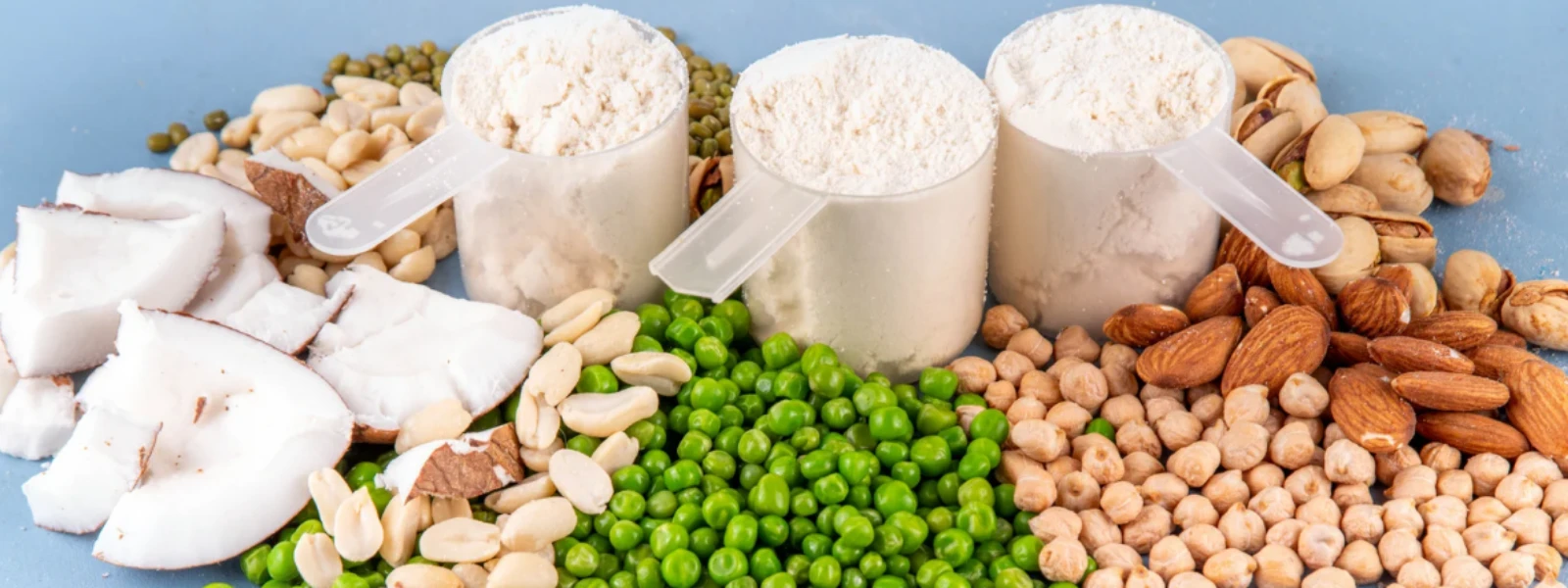


The world of vegan nutrition is filled with misconceptions, especially when it comes to protein. Many people believe that plant-based diets inherently lack sufficient protein for muscle building and optimal metabolism. This couldn't be further from the truth. Understanding how to incorporate adequate protein into your daily routine as a vegan requires knowledge, planning, and sometimes creative solutions.
This comprehensive guide will help you navigate the complexities of protein intake for vegans, explore alternatives to traditional whey protein, and develop sustainable daily routines that support your fitness goals. Whether you're an athlete looking to build muscle or someone focused on weight management, you'll discover practical strategies to optimize your protein consumption while staying true to your plant-based lifestyle.
Protein serves as the building block for muscle tissue, enzymes, and hormones in your body. For vegans, the challenge isn't finding protein sources - it's ensuring you get complete proteins that contain all nine essential amino acids your body cannot produce on its own.
Traditional whey protein concentrate comes from milk, making it unsuitable for vegans. However, the protein industry has evolved significantly, offering numerous plant-based alternatives that can match or even exceed the nutritional benefits of whey protein. These alternatives often provide additional benefits like fiber, antioxidants, and phytonutrients that animal-based proteins lack.
Several vegan protein sources naturally contain complete amino acid profiles. Quinoa, buckwheat, hemp seeds, chia seeds, and soy products like tofu and tempeh all provide complete proteins. These foods can form the foundation of your daily protein intake strategy.
Understanding protein bioavailability is crucial for vegans. This refers to how well your body can absorb and utilize the protein you consume. While some plant proteins have lower bioavailability than animal proteins, combining different protein sources throughout the day can enhance overall absorption and amino acid profiles.
The recommended daily protein intake for sedentary adults is 0.8 grams per kilogram of body weight. However, vegan athletes and those engaged in regular exercise may need 1.2 to 2.0 grams per kilogram to support muscle building and recovery.
Timing your protein consumption throughout the day optimizes muscle protein synthesis. Aim to include 20-30 grams of protein in each meal, with smaller amounts in snacks. This approach helps maintain steady amino acid levels in your bloodstream, supporting continuous muscle repair and growth.
Your protein requirements depend on several factors including body weight, activity level, and fitness goals. For vegan muscle building, multiply your body weight in kilograms by 1.6-2.2. For weight management, aim for 1.2-1.6 grams per kilogram. Those focused on endurance activities may need 1.2-1.4 grams per kilogram.
Did You Know?
Research published in the Journal of the International Society of Sports Nutrition shows that plant-based athletes can achieve similar muscle protein synthesis rates as omnivores when consuming adequate amounts of diverse protein sources throughout the day.
The market now offers numerous high-quality plant-based protein powders that serve as excellent whey protein alternatives. Pea protein isolate provides one of the most complete amino acid profiles among plant proteins, while rice protein offers easy digestibility.
Hemp protein powder contains all essential amino acids plus beneficial omega-3 fatty acids. Soy protein isolate matches whey protein's amino acid profile closely and has been extensively studied for muscle building benefits. Many brands now offer protein blends that combine multiple plant sources to create complete protein profiles.
When selecting vegan protein sources, consider both the amino acid profile and additional nutrients. Pea protein typically contains 20-25 grams of protein per serving with minimal carbohydrates. Hemp protein provides 15-20 grams of protein plus fiber and healthy fats. Soy protein isolate offers 25-30 grams of protein per serving with virtually no carbohydrates or fats.
Brown rice protein, while lower in lysine, combines well with pea protein to create a complete amino acid profile. Many commercial blends leverage this synergy to provide optimal nutrition for vegan fitness nutrition needs.
Incorporating protein into your daily routine doesn't have to be complicated. Start your day with a protein-rich smoothie combining plant-based protein powder, berries, spinach, and almond milk. This provides 25-30 grams of protein plus metabolism boosting foods vegan options like antioxidant-rich berries.
Pre-workout nutrition should include easily digestible proteins consumed 30-60 minutes before exercise. Post-workout, aim to consume protein within 30 minutes to optimize muscle recovery. This timing window helps maximize the benefits of your vegan muscle building efforts.
Successful protein intake requires planning. Prepare protein-rich snacks like roasted chickpeas, hemp seed energy balls, or protein smoothie packs that you can quickly blend. Include protein for vegans at every meal by adding nuts, seeds, legumes, or protein powder to dishes.
Batch cooking protein sources like lentils, quinoa, and tofu saves time during busy weeks. Having these prepared proteins ready makes it easier to meet your daily protein targets consistently.
Protein plays a crucial role in muscle synthesis, but vegan muscle building requires strategic planning beyond just protein intake. Combining resistance training with adequate protein consumption stimulates muscle growth effectively in plant-based athletes.
For vegan weight management, protein helps maintain satiety and preserve lean muscle mass during caloric deficits. Higher protein intakes can boost metabolism through the thermic effect of food, where your body burns calories digesting and processing protein.
Plant-based athletes often report improved recovery times and sustained energy levels. This may be due to the anti-inflammatory properties of many plant proteins and the additional nutrients they provide beyond just amino acids.
Combining different protein sources throughout the day ensures you receive all essential amino acids while benefiting from diverse nutrient profiles. This approach supports not just muscle building but overall health and performance.
Some vegans experience digestive issues when first increasing protein intake. Gradually increasing protein consumption allows your digestive system to adapt. Choosing easily digestible protein sources like pea protein or adding digestive enzymes can help minimize discomfort.
Protein absorption can be enhanced by consuming vitamin C-rich foods alongside plant proteins. Combining different protein sources at meals also improves overall amino acid availability.
While whole food sources should form the foundation of your protein intake, supplements can help bridge gaps in your daily routine. Choose protein powders with minimal additives and third-party testing for purity and potency.
Consider supplementing with Vitamin b12, which is crucial for protein metabolism and isn't naturally found in plant foods. Creatine supplementation may also benefit vegan athletes, as plant-based diets typically provide less creatine than omnivorous diets.
No, traditional whey protein is derived from milk, making it unsuitable for vegans. However, numerous plant-based protein alternatives provide complete amino acid profiles and comparable benefits for muscle building and recovery.
Vegan athletes typically need 1.2-2.0 grams of protein per kilogram of body weight, depending on their specific goals and training intensity. This is slightly higher than recommendations for omnivorous athletes to account for differences in protein digestibility and amino acid profiles.
Quinoa, buckwheat, hemp seeds, chia seeds, soy products, and protein powder blends combining pea and rice proteins all provide complete amino acid profiles suitable for vegan diets.
Combining different plant protein sources, eating vitamin C-rich foods with meals, and spreading protein intake throughout the day can enhance absorption. Some people also benefit from digestive enzyme supplements when first increasing protein intake.
Research shows that when consumed in adequate amounts with proper timing and variety, plant-based proteins can support muscle building just as effectively as animal proteins. The key is ensuring complete amino acid profiles through diverse protein sources.
Navigating protein intake as a vegan requires knowledge and planning, but it's entirely achievable with the right strategies. By understanding your individual protein needs, incorporating diverse plant-based sources, and timing your intake appropriately, you can successfully support your fitness goals while maintaining your plant-based lifestyle. The key lies in consistency, variety, and listening to your body's responses as you optimize your daily protein routine. Whether your focus is muscle building, weight management, or overall health, plant-based proteins offer a sustainable and effective foundation for your nutritional needs.




Someone sent you
Powered by ReferRush


