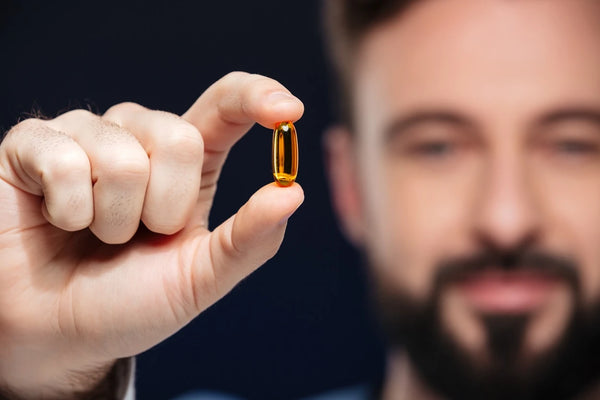
You eat better, try to move more, squeeze in workouts when you can, and still find that the number on the weighing scale barely changes. Sometimes, it even goes up. If this sounds familiar, you are not alone. Fat loss can be surprisingly difficult, even when you feel like you are doing everything right. If you have been wondering why weight loss is difficult, understanding the factors that influence your body's response can help you take a more informed approach.
The reason is that fat loss is influenced by more than just how much you eat or how often you exercise. Your appetite, sleep, stress levels, muscle mass, hormones, medications, and everyday habits can all influence how your body responds to a weight loss plan. Research on factors affecting body weight, NIDDK.
Before you start cutting calories further or adding another intense workout to your routine, there is one important distinction to understand: weight loss and fat loss are not the same thing.
Fat loss vs weight loss: What is the difference?
The terms are often used interchangeably, but they describe different changes in your body. Understanding the difference can help you set realistic goals and avoid losing muscle while trying to lose fat.
|
Weight loss |
Fat loss |
|
A reduction in total body weight. |
A reduction in stored body fat. |
|
May include fat, muscle, water, and glycogen loss. |
Specifically refers to losing body fat. |
|
Can happen quickly due to water loss, especially when carbohydrate or sodium intake changes. |
Usually requires consistent habits over time. |
|
The scale is the primary measurement. |
Waist measurements, body composition trends, strength, and how clothes fit can provide additional context. |
|
Rapid changes do not necessarily mean meaningful fat loss. |
Preserving muscle while reducing fat can help improve body composition. |
The goal is not simply to weigh less. It is to lose excess body fat while preserving as much muscle as possible. This is particularly important if you want to look more toned, improve strength, or maintain your results over time. [NIH]
So, what makes weight loss difficult for some people? Here are seven factors worth examining.
1. You may be eating more calories than you realise
One of the most common reasons fat loss stalls is that your average calorie intake is not consistently below your energy expenditure. This does not necessarily mean you are overeating at every meal. Small additions can accumulate throughout the day. [NIH]
A spoonful of peanut butter, cooking oil, sugary coffee, frequent tasting while cooking, weekend meals out, or seemingly healthy snacks can contribute more calories than expected. Portion sizes can also be difficult to estimate, particularly with calorie-dense foods.
There is another side to this. Eating too little can increase hunger, fatigue, and food preoccupation, making a calorie deficit harder to maintain. Your body also uses less energy as you lose weight because a smaller body generally requires less energy to function. [NIH]
What can help? Build meals around protein-rich foods, vegetables, fruit, whole grains, and other fiber-rich foods. Include satisfying portions rather than relying on tiny meals that leave you hungry an hour later. If you track food, use it as a short-term learning tool rather than a measure of personal discipline. Aim for a moderate, sustainable calorie deficit instead of an extreme diet.
2. Your diet may not be keeping you full
You can eat fewer calories and still struggle with fat loss if your meals leave you hungry throughout the day. A diet built mainly around refined carbohydrates, sugary drinks, or low-protein snacks may not provide the combination of protein, fiber, and food volume that helps many people feel satisfied.
Protein is particularly useful because it supports muscle maintenance during weight loss and generally has a greater satiating effect than carbohydrate or fat. Fiber adds bulk to meals and can slow digestion, depending on its type and the food source. [NIH]
For example, a breakfast of sweetened coffee and biscuits may leave you hungry relatively quickly. Eggs with whole-grain toast and fruit, or Greek yoghurt with oats, nuts, and berries, provides a more balanced combination of nutrients.
What can help? Include a meaningful protein source at each main meal, and gradually increase fiber through foods such as lentils, beans, oats, vegetables, fruit, and seeds. If you struggle to meet your fiber needs through food alone, a fiber supplement such as psyllium husk may be useful. Increase intake gradually and drink enough water. Supplements should complement a balanced diet, not replace it.
If you find it difficult to meet your daily protein needs through meals, protein powder can offer a convenient way to supplement your intake. Whey protein is one option that provides all nine essential amino acids and can help support muscle maintenance when combined with resistance training and adequate overall nutrition.
The aim is to make your eating pattern satisfying enough to follow consistently, rather than spending every day fighting hunger.
3. Stress may be affecting your appetite and eating habits
A demanding workday, poor work-life boundaries, and constant mental pressure can make fat loss harder than it appears on paper. When stress becomes persistent, changes in cortisol and other physiological responses can influence appetite, sleep, and food choices.
Cortisol is not inherently bad. It is an essential hormone that helps your body respond to challenges. However, prolonged stress can contribute to increased cravings, emotional eating, disrupted sleep, and reduced motivation to exercise in some people. [NIH]
Stress can also affect your routine in less obvious ways. You might skip meals during work, snack late at night, rely on takeaway food, or feel too exhausted to move after a long day.
Although cortisol is frequently blamed for belly fat, it is inaccurate to assume that ordinary stress automatically causes abdominal fat accumulation. Body fat distribution is influenced by several factors, including genetics, age, hormones, and overall energy balance.
What can help? Start with practical stress-management habits. Take short walking breaks, establish boundaries around work, make time for enjoyable activities, and try relaxation practices such as slow breathing or meditation. If stress consistently affects your eating, consider speaking with a qualified mental health professional.
You do not need to eliminate stress to lose fat. You need routines that remain manageable even when life gets demanding.
4. Your workouts may not be supporting your fat loss goals
Exercise is important for health, but more workouts do not automatically translate into more fat loss. The type of exercise you do, how consistently you do it, and how well you recover all matter.
For example, relying entirely on cardio while neglecting resistance training may not be ideal if your goal is to preserve muscle while losing fat. On the other hand, doing intense workouts every day without adequate recovery can leave you exhausted, sore, and less active during the rest of the day.
There is also a common misconception that sweating more means burning more fat. Sweating primarily helps regulate body temperature. The weight you lose immediately after a sweaty workout is largely water, which returns as you rehydrate.
What can help? Combine resistance training with cardiovascular activity, and build more movement into your day through walking, taking the stairs, or standing up regularly. For general health, adults should aim for at least 150 minutes of moderate-intensity aerobic activity each week and muscle-strengthening activities on at least two days. Your individual needs may differ. CDC, physical activity guidelines for adults.
Resistance training can help preserve muscle during a calorie deficit, while cardio supports cardiovascular fitness and contributes to energy expenditure. You do not need to exhaust yourself at every session. Consistency and recovery are just as important as intensity.
5. Poor sleep may be making fat loss harder
If you are sleeping five or six hours a night and relying on coffee to get through the day, your sleep schedule could be working against your goals.
Insufficient sleep can influence appetite regulation, food preferences, energy levels, and decision-making. When you are tired, you may feel hungrier, find high-calorie foods more appealing, and have less motivation to exercise or prepare balanced meals. [NIH]
Sleep also matters for recovery. If you train regularly but do not get enough rest, you may struggle to maintain performance and consistency.
This does not mean that one bad night will stop fat loss. The concern is a repeated pattern of inadequate sleep.
What can help? Most adults should aim for at least seven hours of sleep each night, although individual needs vary. Keep a consistent bedtime, reduce caffeine later in the day, and create a bedroom environment that supports uninterrupted sleep. Avoid letting late-night scrolling repeatedly push your bedtime back. CDC, about sleep.
If you snore loudly, wake up gasping, or remain unusually sleepy despite sufficient time in bed, speak with a healthcare professional. Sleep disorders such as obstructive sleep apnoea can affect sleep quality and deserve proper assessment.
6. Your gut health may influence your weight management journey
Gut health has become a major topic in weight management, and for good reason. Your gut microbiome, the community of microorganisms living in your digestive tract, participates in fiber fermentation, produces metabolites, and interacts with processes involved in digestion and metabolism.
Research has found differences in gut microbial composition between some groups of people with obesity and those without obesity. However, these differences are complex, and they do not establish that an unhealthy gut is the reason a particular person cannot lose fat. [NIH]
It is also important to separate digestive symptoms from body fat. Bloating, constipation, and water retention can make your abdomen feel larger without indicating an increase in body fat. Similarly, improving digestion does not automatically cause fat loss.
What can help? Start by supporting your gut with a varied, fiber-rich diet. Include vegetables, fruit, whole grains, legumes, nuts, and seeds, and increase fiber gradually to minimise digestive discomfort. Fermented foods such as yoghurt with live cultures may also be useful additions if you tolerate them. If your diet lacks sufficient fiber, psyllium husk can help increase fiber intake and support bowel regularity. Certain probiotics may help with specific digestive concerns, but their effects depend on the strain and the condition being addressed. They are not established fat-loss solutions. [NIH]
If you experience persistent bloating, diarrhoea, constipation, or other digestive symptoms, seek medical advice rather than assuming that poor nutrient absorption or gut dysbiosis is responsible.
The practical takeaway is simple: supporting gut health can improve digestive comfort and help you build a more nutritious eating pattern, but it should not be treated as a shortcut to fat loss.
7. Hormones, medical conditions, and medications may be affecting your progress
Sometimes, fat loss is difficult despite consistent efforts because there are underlying factors that need attention.
Conditions such as hypothyroidism and polycystic ovary syndrome (PCOS) can influence weight management. Hypothyroidism can reduce energy expenditure when thyroid hormone levels are inadequately treated, while PCOS may involve insulin resistance and other hormonal changes that affect metabolic health.
Some medications can also contribute to weight gain or make weight management more challenging. These include certain antidepressants, corticosteroids, some diabetes medicines, and some antihistamines. Their effects vary, and not everyone taking them will gain weight. [NIH].
Age and genetics also matter. As people get older, changes in muscle mass, activity levels, appetite, and body composition can affect energy requirements and weight distribution. Genetics can influence appetite, fat distribution, and how the body responds to environmental factors. [NIH].
What can help? If you have persistent difficulty losing weight alongside symptoms such as unusual fatigue, feeling cold more often, irregular periods, or unexplained weight changes, consult a healthcare professional. They can determine whether assessment for a medical condition is appropriate.
Review your medications with your prescriber if you suspect they are affecting your weight. Do not stop or change prescribed medication on your own. If obesity is affecting your health, evidence-based medical treatments, including prescription weight-management medicines where appropriate, may also be worth discussing. [NIH].
Some people also explore ingredients such as berberine for metabolic health. However, evidence for its effects on body weight remains limited, and it should not be considered a substitute for established weight-management strategies. Speak with a healthcare professional before using a berberine supplement, particularly if you take medication, because interactions and side effects are possible.
The aim is not to assume that hormones are responsible for every weight-loss plateau. It is to identify and address relevant medical factors instead of responding by restricting food further.

The bottom line
Fat loss is not always a straightforward process, and a plateau does not automatically mean you are failing. Focus on sustainable nutrition, adequate protein, resistance training, daily movement, sleep, and stress management. If progress remains difficult, look beyond your habits and seek professional guidance when needed.
Key takeaways
-
Fat loss and weight loss are different. Scale weight includes water, muscle, and fat, so look at progress beyond the number alone.
-
A sustainable calorie deficit matters. Protein, fiber, and satisfying meals can help you manage hunger without extreme restriction.
-
Exercise needs balance. Combine resistance training, cardio, and everyday movement while allowing enough time for recovery.
-
Sleep, stress, and gut health deserve attention. They can influence appetite, digestive comfort, and your ability to maintain healthy routines, although none is a standalone fat-loss solution.
-
Medical factors should not be overlooked. If weight management remains difficult despite consistent efforts, discuss possible health conditions and medication effects with a healthcare professional.
FAQs
1. Why am I not losing fat even though I am eating less?
Your calorie deficit may be smaller than you expect, or changes in water weight may be masking progress. Reduced activity, increased hunger, inconsistent portions, and changes in energy expenditure as you lose weight can also contribute. Review your habits over several weeks rather than judging progress from a few days on the scale.
2. How can I lose body fat without losing muscle?
Combine a moderate calorie deficit with adequate protein and regular resistance training. Avoid overly restrictive diets, and prioritise recovery. Some muscle loss can still occur during weight loss, but these strategies help preserve lean mass.
3. What is the difference between fat loss and getting toned?
Getting toned generally means having enough muscle development to create visible definition alongside a body fat level that allows that definition to show. This usually involves resistance training, adequate protein, and, where appropriate, gradual fat loss. There is no separate biological process called toning.
4. Why is belly fat so difficult to lose?
Abdominal fat distribution is influenced by genetics, age, hormones, and overall body composition. You cannot reliably choose where your body loses fat first. A consistent nutrition and exercise plan can reduce overall body fat, including abdominal fat, over time.
5. Does walking help with fat loss?
Yes. Walking increases energy expenditure and can support weight management, particularly when done consistently alongside an appropriate eating pattern. It is also accessible, can help reduce sedentary time, and does not require intense workouts to be beneficial. CDC, physical activity and healthy weight.
6. Is cardio or weight training better for fat loss?
Both are useful, but they serve somewhat different purposes. Cardio increases energy expenditure and supports cardiovascular fitness. Resistance training helps preserve muscle during weight loss and improves strength. Combining the two is generally a practical approach. Physical Activity Guidelines for Americans.
7. Can stress and cortisol cause weight gain?
Chronic stress can influence appetite, sleep, eating behaviour, and activity levels. Cortisol is involved in the body's stress response, but ordinary stress does not automatically cause weight gain or belly fat. The overall pattern of eating, activity, sleep, and health matters.
8. Can gut health affect weight loss?
The gut microbiome participates in digestion and metabolic processes, and research suggests associations between gut microbial patterns and obesity. However, the relationship is complex. Improving fiber intake and addressing digestive symptoms can support health, but probiotics and gut supplements should not be expected to cause significant fat loss on their own.
9. How long does it take to see fat-loss results?
It varies according to starting body composition, calorie deficit, activity, sleep, genetics, and other factors. Weight can fluctuate considerably from day to day due to water, glycogen, sodium intake, and digestion. Look for sustained trends over several weeks rather than expecting visible changes overnight.
10. What is the fastest way to lose body fat safely?
There is no reliable shortcut that guarantees rapid fat loss without trade-offs. A sustainable calorie deficit, protein-rich meals, resistance training, regular movement, and sufficient sleep provide a sound foundation. Avoid crash diets, dehydration tactics, and unproven fat-burning supplements. If you have obesity or a medical condition affecting weight, a healthcare professional can help identify suitable treatment options.

Recommended Products
 Whey Protein Concentrate 27g | 1kg | 4B CFU Probiotics | Unflavoured
₹4,499 – ₹8,998
 Whey Protein Isolate + Concentrate 24g | 1kg | 4B CFU Probiotics | Kesar Pista Badam
₹5,849 – ₹11,698
 Whey Protein Isolate + Concentrate 24g | 1kg | 4B CFU Probiotics | Mango Flavoured
₹4,949 – ₹9,898
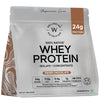 Whey Protein Isolate + Concentrate 24g | 1kg | 4B CFU Probiotics | Swiss Chocolate
₹6,174 – ₹12,348
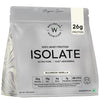 Whey Protein Isolate 26g | 1kg | 4B CFU Probiotics | Bourbon Vanilla
₹7,599 – ₹15,199
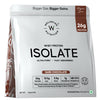 Whey Protein Isolate 26g | 2kg | 4B CFU Probiotics | Dark Chocolate
₹13,949 – ₹27,898
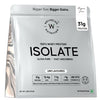 Whey Protein Isolate 31g | 2kg | 4B CFU Probiotics | Unflavoured
₹12,399 – ₹24,798
 Daily Fiber | Pina Colada Flavour
₹719 – ₹1,438
 Daily Fiber | Vanilla Berry Flavour
₹719 – ₹1,438
 Liposomal Berberine HCL+
₹1,439 – ₹2,878