There is something quietly powerful about starting your day with a swirl of green. The color alone feels like vitality in motion. Bright, earthy, and balanced. Beyond its beauty, matcha has earned a place in wellness routines around the world because it works.
Whether you are whisking it into a creamy latte, adding it to your smoothie, or folding it into your dessert, matcha uses go far beyond tea ceremonies. This centuries-old Japanese tradition has evolved into a modern ritual for focus, energy, and calm, often all at once.
The Art and Science Behind Matcha

Unlike traditional green tea, matcha is made of finely ground whole matcha leaves from the Camellia sinensis plant, also referred to as the matcha plant. Instead of steeping and discarding the leaves, you consume the entire leaf in powdered form. This gives matcha a nutritional edge and a deep, umami-rich matcha flavor that feels grounding and refreshing.
Japanese ceremonial grade matcha is the highest quality you can find. Grown in shaded fields to enhance chlorophyll and amino acid content, its color is an intense jade green. The result is a vibrant, smooth matcha drink that feels like liquid focus.
The shading technique increases the amino acid L-theanine. When paired with natural caffeine, it delivers calm alertness without a crash. This is one of the many scientifically backed matcha benefits that make it an ideal daily ritual.
Morning: A Clean Energy Boost

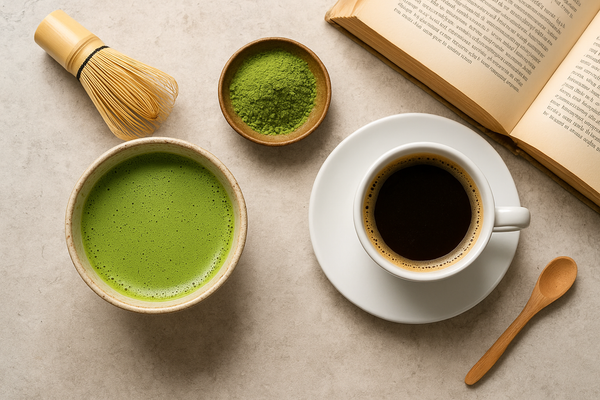
If your mornings start with coffee jitters or afternoon crashes, matcha can be the fix. The caffeine in matcha releases slowly, sustaining energy for hours while avoiding the anxious edge that coffee often brings. The interaction between L-theanine and caffeine provides focus, calm, and energy together.
A cup of matcha drink each morning can help:
-
Sharpen focus and concentration
-
Support steady energy release
-
Improve metabolism and fat oxidation
-
Provide antioxidant protection
Starting the day with matcha can help you feel calm and focused at the same time, a balance few other beverages can offer.
Midday: Matcha in Meals

Matcha can easily transition from drink to ingredient. Its versatility allows it to enrich both sweet and savory dishes.
Add matcha to your breakfast smoothie, yogurt bowl, or pancake batter. The matcha flavor pairs beautifully with coconut, vanilla, and citrus. For lunch, a pinch of matcha in salad dressing or homemade hummus adds color and delivers matcha health benefits like improved digestion and antioxidant support.
You can also blend matcha into energy bites, oat bars, or chia pudding for a steady afternoon lift. Think of it as a nutrient-rich upgrade to your snacks that is natural, vibrant, and functional.
Afternoon: Matcha Desserts and Indulgence

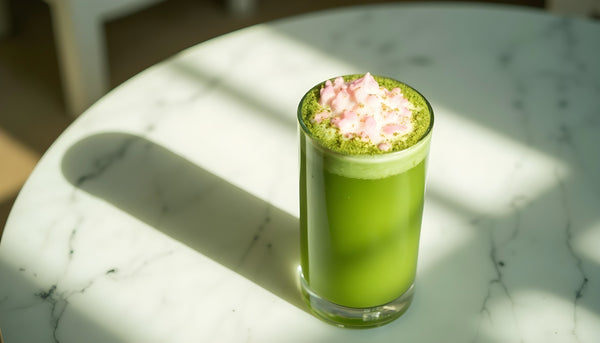
Matcha transforms desserts into something sophisticated. From creamy matcha ice cream to cookies, cheesecakes, and lattes, the possibilities are endless. Its rich, grassy note balances sweetness, cutting through heaviness and creating depth of flavor.
Matcha ice cream deserves special mention. It is indulgent yet refreshing, with a mellow sweetness and umami undertone that lingers beautifully.
These desserts also provide some matcha benefits, including detoxification support, improved skin health, and reduced inflammation.
Evening: Matcha for Calm and Clarity

Yes, matcha contains caffeine, but in a much gentler form. L-theanine helps neutralize caffeine spikes, promoting relaxation without drowsiness. A cup of matcha drink in the evening can feel like a deep exhale after a long day.
Try a warm, lightly sweetened matcha with oat or almond milk. Its creamy texture pairs with natural bitterness to create a soothing, mindful pause. Regular L-theanine consumption may improve sleep quality and reduce stress markers. Matcha wakes you up in the morning and helps you unwind in the evening.
Understanding What Matcha Is Made Of

Knowing what makes matcha unique helps you appreciate it fully. The best matcha ingredients come from shade-grown leaves, hand-picked, steamed, dried, and stone-ground into an ultra-fine powder. Shading increases chlorophyll levels and nutrient density, giving it a deeper color and richer taste.
Matcha is made of antioxidants, especially catechins like EGCG, amino acids, and vitamins that support immunity, metabolism, and cell repair. Antioxidants combat free radicals, amino acids support mental calm, and chlorophyll aids detoxification.
When sourced from authentic Japanese farms, the difference is visible and drinkable.
Upgrading Your Routine: Matcha with Collagen

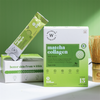
Once you have a daily matcha ritual, you can level it up with matcha with collagen powder. This combination blends the antioxidant power of matcha with collagen peptides that support skin, hair, and gut health.
Matcha with collagen supports inner and outer wellness. Matcha boosts energy, focus, and cellular health. Collagen improves skin elasticity, strengthens hair, and supports the gut lining. Together, they create a synergy that feels as good as it looks.
Switching to matcha collagen is an elegant way to make your daily ritual work harder for your body and your glow.
Final Thoughts
The beauty of matcha uses is its adaptability. It energizes mornings, powers afternoons, and centers evenings. It can be sipped, blended, baked, or frozen. Few ingredients offer such versatility.
Whether it is your morning latte, post-workout smoothie, or nightly ritual, matcha quietly supports your body. Paired with collagen, it supports skin, joints, and cellular health.
Next time you reach for green, remember that it is more than a drink. It is a daily practice in balance, focus, and mindful nourishment.
FAQs
1. What is matcha made of?
Matcha is made of finely ground matcha leaves from the Camellia sinensis plant. The whole leaf is consumed for maximum nutrients and matcha flavor.
2. What are the main matcha benefits?
Key matcha benefits include sustained energy, improved focus, antioxidants, metabolism support, and calm alertness without crashes.
3. How can I include matcha in my daily routine?
There are endless matcha uses. You can enjoy it as a morning latte, smoothie, or in desserts like matcha ice cream.
4. What makes Japanese ceremonial grade matcha special?
Ceremonial grade matcha ingredients come from the youngest leaves of the matcha plant, giving it a smoother taste, higher chlorophyll, and more amino acids.
5. Can I have matcha in the evening?
Yes. L-theanine in matcha calms the mind, making it a gentle matcha drink for evening relaxation.
6. What is matcha with collagen powder?
Matcha with collagen powder combines matcha antioxidants with collagen peptides for skin elasticity, hair growth, and gut health.
7. Is matcha collagen better than regular matcha?
Matcha collagen provides all traditional matcha health benefits and adds skin, hair, and joint support for a functional wellness upgrade.