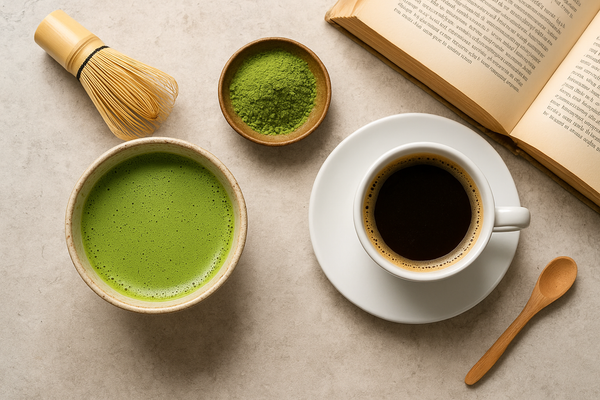
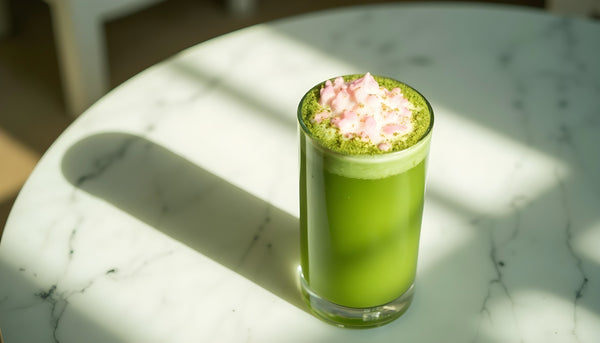
There is something magical about watching a vibrant green powder transform into a frothy cup of bliss. If you have ever sipped a matcha drink and felt an instant lift in energy, focus, and calm, you know exactly what I mean. But making matcha is more than pouring hot water over powder. It is an art, a ritual, and a science all in one. Today, we are diving into the world of matcha, including Japanese ceremonial grade matcha, and exploring how to take your green ritual to the next level with matcha collagen.
What Is Matcha and Why It Is Special
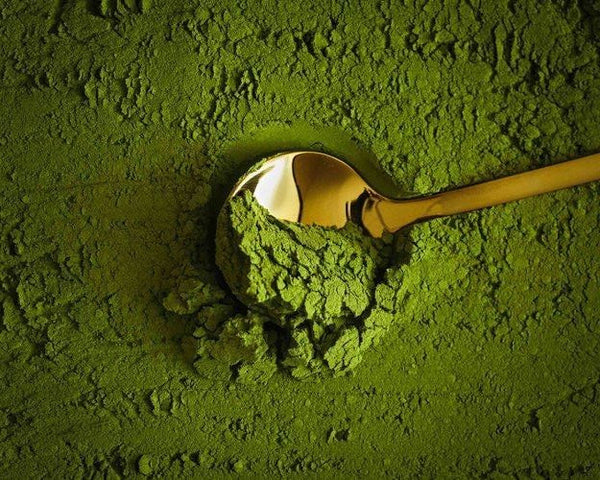
Let’s start at the roots. Matcha is made of finely ground, shade-grown green tea leaves. These matcha leaves are carefully cultivated on the matcha plant, shielded from direct sunlight to boost chlorophyll and amino acids. This gives it that vibrant emerald hue. Unlike regular green tea, where the leaves are steeped and discarded, matcha uses the whole leaf. That means you get concentrated nutrients in every sip.
When we talk about matcha ingredients, it is basically pure green tea, but quality makes all the difference. Japanese ceremonial grade matcha comes from the first harvest of the season and is stone-ground to a fine powder. This ensures a smooth texture, intense matcha flavor, and maximum matcha health benefits.
The Powerful Perks of Adding Matcha to Your Day
Drinking matcha is more than a cozy ritual. Matcha benefits include sustained energy without the jitters of coffee, improved focus, and a sense of calm thanks to L-theanine. It is packed with antioxidants, especially catechins, which combat free radicals and support overall wellness. Regular consumption can aid metabolism, support healthy skin, and boost immunity.
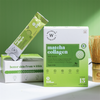
Taking your matcha ritual further with matcha with collagen adds another layer of nourishment. Collagen supports skin elasticity, hair health, and joint function while creating a creamy, luxurious texture. The combination of antioxidants from matcha and protein from collagen makes every sip both delicious and functional.
Tools of the Trade

Before whisking, it is important to get familiar with the essential tools:
-
Chasen: A bamboo whisk for perfect froth.
-
Chawan: A bowl designed for preparing matcha.
-
Chashaku: A bamboo scoop for precise measurement.
-
Hot water (around 80°C).
These tools enhance flavor and texture. Using them makes the ritual enjoyable and ensures your matcha drink tastes like it was made in a Japanese tea ceremony.
Step-by-Step Guide to Whisking Matcha Like a Pro

-
Measure the powder: Use 1–2 scoops of Japanese ceremonial grade matcha with your chashaku. This ensures the ideal balance of flavor and nutrients.
-
Sift it: Sifting prevents clumps and creates a smooth, creamy drink.
-
Add water: Pour about 60–70 ml of hot water (not boiling) into your chawan. Boiling water can scorch the delicate powder and affect the matcha flavor.
-
Whisk: Move the chasen in a zigzag “M” or “W” motion. The goal is a frothy, vibrant green top. With practice, whisking will feel effortless.
-
Enjoy: Sip straight from the bowl or pour into your favorite cup. For an indulgent boost, add a scoop of matcha collagen powder. This makes the drink creamy while supporting skin, hair, and joint health.
Taking Matcha to the Next Level with Matcha Collagen
Matcha with collagen is more than a trend. Collagen supports skin, hair, and joint health, while matcha delivers antioxidants, energy, and mental clarity. Together, they form a powerhouse beverage that is both indulgent and functional.
You can enjoy matcha collagen as a latte or as a base for smoothies. Adding plant-based milk complements the earthy matcha flavor while collagen ensures your body gains long-term wellness benefits.
Beyond the Cup: Creative Uses of Matcha 
While a traditional matcha drink is classic, there are many ways to enjoy matcha:
-
Matcha ice cream: Homemade or store-bought, it retains the antioxidants while satisfying your sweet cravings.
-
Matcha smoothies: Blend with bananas, almond milk, and matcha collagen powder for a nutrient-rich start to your day.
-
Baking: Use in muffins, pancakes, or cakes for a vibrant green hue and subtle earthy notes.
-
Savory dishes: Sprinkle over roasted vegetables or add to soups for an umami punch.
Every recipe benefits from matcha ingredients and the concentrated nutrients of matcha leaves.
Choosing the Right Matcha

Quality is crucial. Look for:
-
Bright green color, indicating high chlorophyll content.
-
Fine powder, free of clumps.
-
Origin from Japan, preferably ceremonial grade.
-
Minimal additives; pure matcha is made of whole leaves for maximum benefits.
For added health support, choose matcha with collagen powder. This simple addition makes your daily matcha ritual indulgent and functional.
Final Tips for a Perfect Cup

-
Water temperature: Avoid boiling water to prevent bitterness.
-
Freshness: Store in an airtight container, away from light.
-
Whisking technique: Keep your wrist loose and whisk at speed for a frothy top.
-
Experiment: Try matcha ice cream or a latte with almond milk to discover your favorite ritual.
By paying attention to these details, you can elevate your matcha experience and enjoy every cup like a pro.
The Joy of Matcha
Making matcha is more than drinking tea; it is a mindful, nourishing experience. Each step, from measuring the powder to whisking it into frothy green perfection, grounds you in the moment. Adding matcha collagen enhances both texture and benefits.
Whether you are a beginner or a seasoned matcha lover, understanding matcha uses, matcha benefits, and matcha ingredients makes your experience richer. From matcha ice cream to smoothies and lattes, there is a world of green possibilities waiting to be explored.
Grab your chasen, your ceremonial-grade powder, and a scoop of matcha with collagen powder. Whisk with care, sip with intention, and elevate your routine with the timeless ritual of matcha. Every cup is a celebration of flavor, health, and mindful living.
FAQs
1. What makes Japanese ceremonial grade matcha different from regular matcha?
Ceremonial grade matcha is made from the first harvest and stone-ground for a smooth texture, rich matcha flavor, and maximum matcha health benefits.
2. Can I add collagen to my matcha drink?
Yes, matcha with collagen powder creates a creamy texture while supporting skin, hair, and joint health.
3. What is matcha made of?
Matcha is made of finely ground, shade-grown matcha leaves from the matcha plant, giving a concentrated source of nutrients.
4. How should I whisk matcha for the best flavor?
Use a bamboo whisk in a zigzag motion in a chawan to create a frothy top and bring out the natural matcha flavor.
5. Can I use matcha in recipes other than drinks?
Yes, matcha uses include matcha ice cream, smoothies, baked goods, and savory dishes.
6. Does matcha with collagen change the flavor?
Collagen blends seamlessly into your matcha drink, adding creaminess without overpowering the earthy matcha flavor.
7. How do I store matcha to keep it fresh?
Store in an airtight container away from light and moisture to preserve vibrant color and matcha health benefits.
8. Is matcha suitable for daily consumption?
Yes, moderate daily consumption of Japanese ceremonial grade matcha provides antioxidants, sustained energy, and mental clarity.