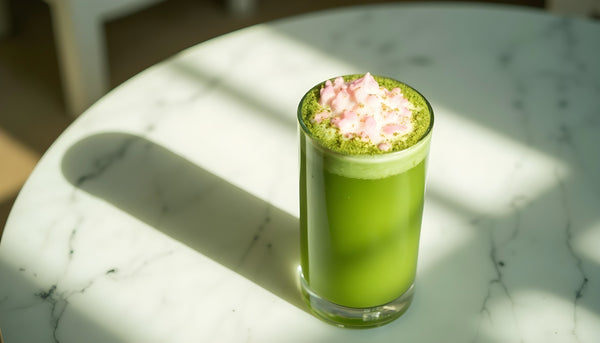
Our days are a sprint. Our minds, a marathon.
Somewhere between endless to-do lists and double espressos, we forgot how to feel balanced, calm, ourselves.
We wake up tired, chase focus with caffeine, and crash before lunch. The cycle continues, stimulation, exhaustion, repeat.
But there’s an ancient antidote to this modern chaos.
A Japanese ritual that fuels focus, steadies mood, and restores the body, not by pushing harder, but by balancing better.
Meet matcha green tea, the drink that’s quietly redefining what true energy feels like.
The Origin Story: Japan’s Mindful Energy Ritual

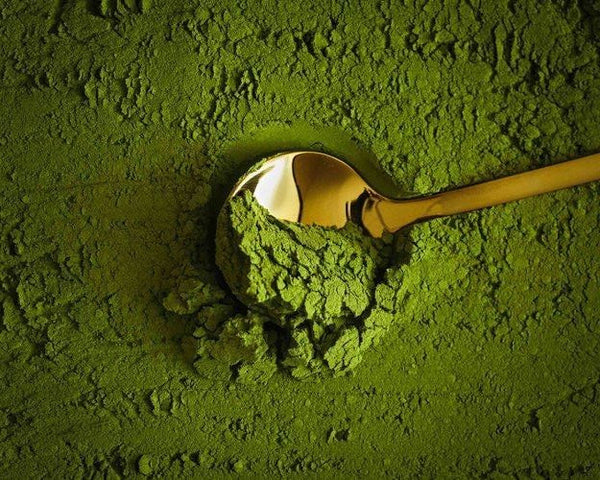
The story of matcha green tea begins in 12th-century Japan. Zen monks cultivated shade-grown Tencha leaves, hand-stone-ground into a fine emerald powder, a meditative act in itself.
They would sip this vibrant tea before hours of meditation, not for stimulation, but for presence.
The L-theanine and gentle caffeine in matcha brought calm alertness, energy without agitation.
In Japanese culture, this practice became known as Chanoyu, the tea ceremony, a symbol of mindfulness, precision, and harmony.
Today, as we navigate screens, stress, and speed, the ritual of matcha aligns perfectly with the modern pursuit of biohacked calm. It’s not just tea. It’s the art of balanced energy, reborn.
What Makes Matcha Different From Regular Green Tea
Don’t mistake matcha for regular green tea, it’s far more potent and pure.
While regular green tea is steeped and discarded, matcha green tea is made by consuming the entire leaf, Tencha, a shade-grown variety nurtured for 30 days before harvest.
This shading process increases chlorophyll (for detox), L-theanine (for focus), and EGCG (for fat metabolism and antioxidant defense). The result? A molecular trifecta for clean energy and longevity.
A study on Tencha cultivation confirmed that shade-growing dramatically enhances amino acid and catechin levels, making matcha one of the most potent natural sources of EGCG (NIH).
Summary: Matcha’s unique growing and grinding process delivers calm alertness with deep cellular vitality, energy from within, not from stimulation.
Everyday Benefits of Matcha Green Tea
From balancing hormones and boosting metabolism to supporting skin, gut, and mental clarity, matcha green tea goes far beyond a morning drink. It’s a daily ritual for energy, focus, and whole-body wellness. Some of the most common benefits include:
Promoting Hormonal Balance
Modern stress disrupts more than our minds, it strains our hormones too.
Matcha green tea helps bring the body back into rhythm. The EGCG (epigallocatechin gallate) and L-theanine in matcha modulate cortisol, the primary stress hormone, helping you stay centered under pressure. For women, these compounds support adrenal recovery and gentle estrogen balance, particularly valuable during fatigue or hormonal flux.
Clinical research shows that EGCG influences the body’s stress response pathways, reducing oxidative stress and cortisol spikes (NIH).
Summary: Matcha supports calm energy by balancing stress hormones, adaptogenic by nature, restorative by design.
Supporting Metabolism & Cellular Vitality
Energy shouldn’t come at the cost of exhaustion. Unlike stimulants that push the body into overdrive, matcha green tea enhances metabolism through natural cellular activation.
EGCG, the star catechin, increases fat oxidation by up to 17%, promoting efficient energy use and improved endurance (NIH).
Meanwhile, matcha’s high chlorophyll content binds to heavy metals and supports detoxification, helping the liver work more efficiently.
At the cellular level, catechins protect mitochondria, the tiny energy factories within your cells from oxidative damage, ensuring smoother energy production.
Summary: Matcha delivers energy that’s clean, sustainable, and cellular, not a spike, but a steady current.
Regulating Mood & Mental Clarity
One of matcha’s most beloved benefits is its ability to awaken the mind, without the crash.
Matcha green tea contains a natural synergy between caffeine and L-theanine. This combination promotes alpha brain waves, associated with calm focus and creativity.
Unlike coffee’s jittery buzz, matcha induces a meditative alertness.
Studies show that L-theanine enhances attention and memory while reducing anxiety and cortisol levels (NIH).
It’s the perfect upgrade for high-performance minds, entrepreneurs, creators, students, anyone chasing focus without fatigue.
Summary: Matcha replaces anxious energy with steady clarity, the mental edge of calm concentration.
Promoting Gut, Immunity & Skin Health
True wellness starts in the gut and matcha green tea quietly supports that foundation.
Matcha’s polyphenols act as prebiotics, feeding beneficial gut bacteria that regulate digestion, mood, and immunity.
Research shows that catechins help maintain gut barrier integrity and reduce inflammation (NIH).
This microbial balance reflects on your skin too. EGCG protects collagen, enhances hydration, and combats oxidative stress, translating inner calm into outer radiance.
Summary: Matcha nurtures your gut, strengthens your immunity, and protects your skin, wellness that glows from within.
Improving Longevity
In Okinawa, Japan, one of the world’s longest-living populations, matcha green tea is part of daily life.
It’s more than tradition; it’s science-backed longevity.
The polyphenols in matcha reduce DNA damage, slow oxidative aging, and protect cardiovascular function.
Studies link regular green tea consumption to improved lifespan and reduced chronic disease risk (NIH).
Summary: A daily cup of matcha isn’t just for energy, it’s a quiet investment in resilience and repair.
Myth vs. Fact: Clearing Up Matcha Misconceptions
Many people assume matcha green tea is just another trendy beverage, but it’s far more refined and powerful than that.
-
Myth: Matcha is too strong or bitter
Fact: High-quality, shade-grown matcha is smooth, umami-rich, and naturally sweet when prepared properly.
-
Myth: It’s just powdered green tea
Fact: Matcha is made from Tencha leaves, shade-grown for 30 days to boost chlorophyll and L-theanine, not standard green tea leaves.
-
Myth: It’s only for lattes
Fact: Matcha green tea is incredibly versatile, enjoy it whisked in water, blended into smoothies, or mixed into wellness recipes.
-
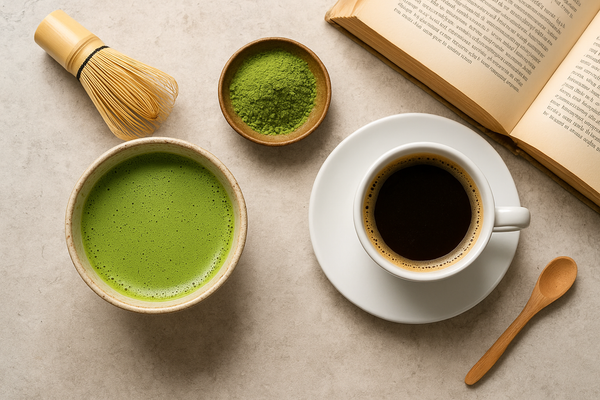
Myth: It’s the same as coffee
Fact: Matcha energizes without overstimulation, providing calm focus and steady energy instead of a jittery crash.
Summary: Matcha isn’t just a drink, it’s precision-crafted wellness in a cup, where ancient ritual meets modern vitality.
Matcha in Modern Nutrition: Pairings That Amplify Its Power
Pair matcha green tea with other nutritional heroes to elevate its impact:
-
Collagen peptides → for skin elasticity and joint support.
-
Probiotics → for gut health and better nutrient absorption.
-
Ashwagandha or adaptogens → for calm, focused energy synergy.
Blend it into a smoothie, whisk it into water, or sip it as a mindful ritual, every form delivers nature’s energy with intention.
Summary: Matcha is the bridge between tradition and innovation, ancient wisdom meeting modern wellness science.
The Takeaway: Balance Over Burnout
In a world that glorifies hustle, matcha green tea reminds us that real energy doesn’t rush, it flows.
It fuels metabolism, balances hormones, sharpens focus, strengthens immunity, and nurtures longevity, all while keeping you calm, steady, and centered.
The future of wellness isn’t about more caffeine or faster energy.
It’s about balance and that future has always been green.
FAQs
1. Does matcha green tea have caffeine?
Yes, matcha green tea contains caffeine, roughly 60–70 mg per serving but unlike coffee, it’s paired with L-theanine. This amino acid slows caffeine absorption, giving you a smooth, sustained energy lift without jitters or a midday crash. The result is focused alertness and calm productivity instead of overstimulation.
2. What makes matcha different from regular green tea?
Unlike regular green tea, matcha green tea is made by stone-grinding shade-grown Tencha leaves into a fine powder. You consume the whole leaf, not just an infusion, which means higher levels of antioxidants, chlorophyll, and amino acids. Matcha can have up to 137 times more EGCG, a powerful antioxidant than traditional brewed green tea.
3. Can matcha green tea help with metabolism and fat burning?
Yes. Studies show the EGCG in matcha green tea can increase fat oxidation by up to 17%, enhancing metabolism and supporting natural weight management. Unlike synthetic fat burners, matcha provides steady, cellular energy through improved mitochondrial function, making it a clean, sustainable metabolism booster.
4. Is matcha good for stress and mental clarity?
Absolutely. Matcha green tea combines mild caffeine with L-theanine, which promotes alpha brain waves linked to focus and calmness. This synergy reduces cortisol, lowers stress, and improves attention without anxiety or energy crashes. It’s why monks traditionally used matcha before meditation for alert yet peaceful focus.
5. How does matcha benefit skin and immunity?
Matcha green tea is rich in catechins and chlorophyll that protect cells from oxidative damage, boost collagen production, and support a healthy microbiome. EGCG also reduces inflammation and strengthens gut barrier function, which directly enhances immunity and skin radiance, proving that inner balance reflects outward beauty.
6. What’s the best time to drink matcha green tea?
The best time to enjoy matcha green tea is in the morning or before a workout for steady energy and focus. Avoid drinking it too close to bedtime since it contains caffeine. For best results, whisk ½–1 teaspoon of ceremonial-grade matcha in warm (not boiling) water and sip mindfully.
7. Can matcha really support longevity?
Yes, research links regular matcha green tea consumption to improved longevity and lower risk of chronic diseases. Its polyphenols protect DNA, reduce oxidative stress, and support heart and brain health. This is why in Okinawa, one of the world’s Blue Zones, daily green tea rituals are a cornerstone of healthy ageing.