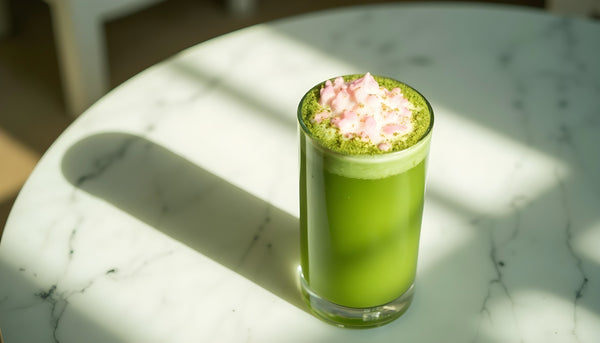
Midday slump. Another cup of coffee. Another crash.
Sound familiar?
In today’s hustle culture, we’ve learned to depend on caffeine for survival, even as it leaves us tired, anxious, and running on empty. Our energy spikes, then plummets. Focus fades. And our metabolism struggles to keep up.
That’s where matcha steps in, a centuries-old Japanese ritual now redefining modern wellness. Beyond its vivid green hue and creamy lattes, matcha delivers sustained energy, sharper focus, and metabolic balance, everything coffee promised, without the chaos.
Here’s how this ancient elixir works, from metabolism to mood backed by modern science.
1. Matcha Boosts Metabolism Naturally

Matcha’s biggest claim to fame? Its ability to rev up your metabolism, the engine that drives everything from fat burning to energy production.
The secret lies in EGCG (epigallocatechin gallate), a potent antioxidant catechin abundant in matcha. Studies show EGCG enhances thermogenesis the body’s ability to burn calories and promotes fat oxidation by 17% (NIH).
Unlike harsh stimulants, matcha’s metabolic support is steady and sustainable. Its unique combination of L-theanine and mild caffeine delivers energy without raising cortisol, helping your body tap into fat stores for fuel while maintaining calm focus.
Summary: Matcha helps convert stored fat into steady energy, no jitters, no crashes, just clean metabolic power.
2. Cellular Energy and Detox Support

Matcha works beyond calorie burning, it energizes your cells.
Its deep green color comes from chlorophyll, a compound that supports detoxification by binding to heavy metals and aiding liver function. Meanwhile, its high catechin content protects mitochondria, your cells’ powerhouse, from oxidative stress.
A study found that teas rich in catechins, like matcha, show significantly higher antioxidant capacity, directly linked to cellular protection and improved energy metabolism (NIH).
So while caffeine gives a surface-level boost, matcha energizes from the inside out, cleansing cells, reducing inflammation, and supporting natural vitality.
Summary: Matcha fuels your metabolism at a cellular level, detoxifying, protecting, and recharging your body.
3. The Skin Connection: Antioxidants for Glow and Collagen

It’s not just your energy that benefits; your skin does too. Environmental stressors, UV exposure, and poor sleep trigger free radical damage that accelerates collagen breakdown. Matcha’s catechins act as internal antioxidants, neutralizing oxidative stress and preserving skin elasticity.
Clinical studies on collagen-rich antioxidants show visible results hydration by 28.1% (NIH)
When paired with matcha’s nutrient profile, these benefits amplify. Think of it as a daily antioxidant ritual for your skin, one that protects collagen, enhances microcirculation, and reveals a natural glow.
Summary: Matcha’s antioxidants help skin stay firm, hydrated, and radiant, beauty that starts from within.
4. Gut and Immune Harmony

True wellness begins in the gut and matcha quietly supports that ecosystem too.
Its polyphenols act as prebiotics, feeding beneficial gut bacteria that influence digestion, inflammation, and mood regulation. Research shows that EGCG also helps reduce harmful bacteria and supports gut barrier integrity, a foundation for strong immunity. (NIH)
Because 70% of immune cells reside in the gut, matcha’s microbial balancing act extends to immune resilience. Add to that its anti-inflammatory properties, and you get a blend that helps your body stay balanced and less reactive to stressors.
Summary: Matcha nurtures your gut microbiome, strengthens immunity, and lays the foundation for long-term health.
5. Matcha as a Longevity Ritual
In Okinawa, one of the world’s Blue Zones, sipping green tea is a lifelong ritual (NIH). The reason? Its polyphenols support DNA repair, protect against oxidative aging, and reduce chronic inflammation.
Various studies note that regular intake of plant antioxidants like EGCG supports cellular longevity and reduces age-related decline (NIH).
By making matcha part of your daily rhythm, you’re not just fueling your day, you’re investing in your future.
Summary: Matcha isn’t a trend; it’s a timeless longevity ritual rooted in science and mindfulness.
6. From Calm Energy to Clear Mind: The Mood Connection

Finally, matcha’s most beloved benefit, mental clarity without the crash.
While coffee floods your system with caffeine, matcha pairs its gentle caffeine dose with L-theanine, an amino acid that promotes alpha brain waves associated with calm focus. The result? Relaxed alertness, sustained attention, steady energy, and improved mood.
Ancient Zen monks used matcha before long meditation sessions for this exact reason. Modern research now confirms what tradition always knew: the L-theanine + caffeine synergy improves attention span, reduces stress, and enhances cognitive performance without overstimulation (NIH).
So, whether you’re navigating back-to-back meetings or simply trying to stay present, matcha keeps your mind sharp, your nerves steady, and your mood uplifted.
Summary: Matcha blends energy and serenity, keeping your mind clear, focused, and calm.
How to Make Matcha a Daily Habit
-
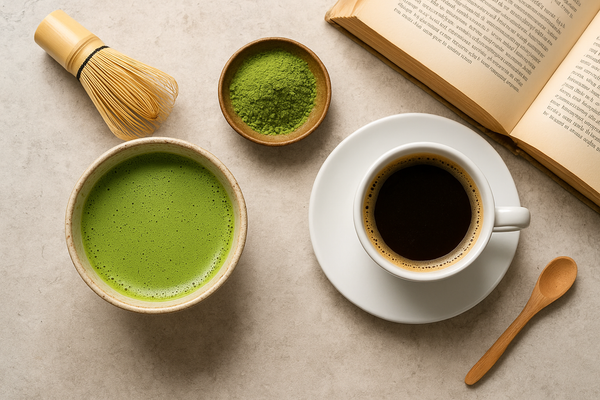
Start small: ½–1 tsp matcha whisked in warm (not boiling) water.
-
Timing matters: Best enjoyed in the morning or pre-workout for steady energy.
-
Quality counts: Choose organic, ceremonial-grade matcha for maximum nutrients and smoother taste.
-
Pair it right: Blend with collagen or probiotics for an added skin and gut boost.
-
Mindful moment: Sip slowly, this is your calm ritual in a chaotic day.
From Metabolism to Mood: The Full Circle
Matcha isn’t just a drink. It’s a daily act of balance.
It ignites metabolism, cleanses cells, nourishes skin, supports gut health, and brings clarity to the mind, bridging the gap between physical energy and emotional wellbeing.
In a world that pushes constant stimulation, matcha teaches us to power up peacefully, one sip, one breath, one mindful ritual at a time.
FAQs
1. What are the main matcha health benefits?
The top matcha health benefits include better metabolism, improved fat oxidation, enhanced focus, balanced mood, healthier skin, and stronger immunity. Its rich antioxidant content protects cells and promotes longevity, making it a true whole-body wellness drink.
2. How does matcha boost metabolism?
Matcha contains EGCG (epigallocatechin gallate), a natural compound that increases thermogenesis and fat burning. Unlike coffee, it pairs with L-theanine to deliver calm, sustained energy, helping your body convert calories into clean fuel more efficiently.
3. Does matcha help with weight management?
Yes. Research shows that matcha supports fat oxidation and calorie expenditure, especially when consumed before exercise. Its gentle caffeine helps sustain energy, making workouts feel easier and recovery smoother.
4. Can matcha improve mood and focus?
Yes. Matcha’s L-theanine and caffeine combination increases dopamine and serotonin activity in the brain, promoting better focus, creativity, and emotional stability. It’s why matcha is known as “energy for the mind.”
5. Does matcha contain caffeine?
Yes, but less than coffee. A cup of matcha contains around 60–70 mg of caffeine, balanced by L-theanine, which prevents crashes or jitters. This combination provides calm alertness rather than overstimulation.
6. When is the best time to drink matcha?
Morning is ideal for metabolic and cognitive support. Pre-workout matcha boosts endurance and focus, while an afternoon cup can replace your second coffee without disturbing sleep.
7. How is matcha different from regular green tea?
Unlike regular green tea (where you steep and discard leaves), matcha uses the whole powdered leaf, making it richer in antioxidants, amino acids, and nutrients, up to 137 times more catechins than brewed green tea.