Imagine opening a tin of vibrant green matcha tea powder. The aroma hits you instantly; fresh, slightly grassy, yet somehow sweet. You scoop a pinch, whisk it with hot water, and take that first sip. That’s the moment you understand why matcha drink has captivated wellness enthusiasts, tea lovers, and culinary creatives worldwide. But not all matcha is created equal. Its freshness, flavor, and quality can vary dramatically, and knowing how to identify the best powder ensures you truly benefit from every cup.
Understanding Matcha: What It Is and Why It Matters
At its core, matcha is made of finely ground matcha leaves harvested from the matcha plant. Unlike regular green tea, where leaves steep and are discarded, with matcha, you consume the whole leaf. This is what makes matcha health benefits so remarkable; it delivers antioxidants, amino acids, and natural caffeine in a concentrated form.
The quality of your matcha defines both taste and wellness effects. Japanese ceremonial grade matcha represents the pinnacle, harvested from young, shade-grown leaves with careful attention to processing. It’s the type used in traditional Japanese tea ceremonies, prized for its vibrant green color, silky texture, and delicate matcha flavor.
How to Identify Fresh Matcha

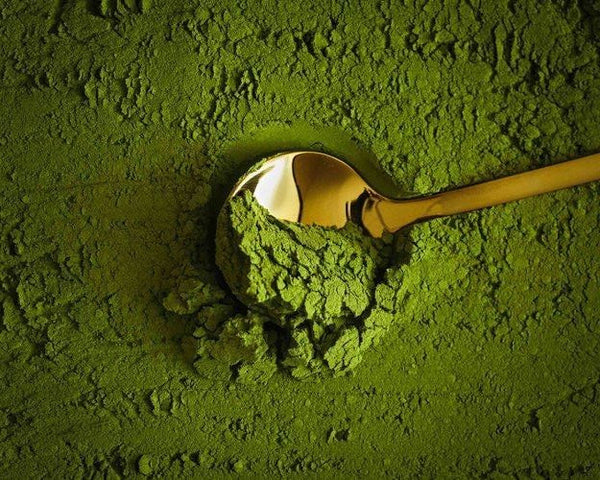
Freshness is paramount when selecting matcha. High-quality matcha should have a bright, emerald green hue. Dull or yellowish-green powders often indicate oxidation or low-grade leaves. Rub a small pinch between your fingers, fresh matcha feels soft, almost creamy, without clumping.
Aroma is another tell. Fresh matcha leaves have a sweet, grassy scent reminiscent of spring mornings. Stale matcha smells flat or hay-like. Keep in mind that matcha is made of delicate components that lose potency when exposed to air, light, or moisture. Always store it in an airtight container, away from sunlight.
Taste Test: Understanding Matcha Flavor
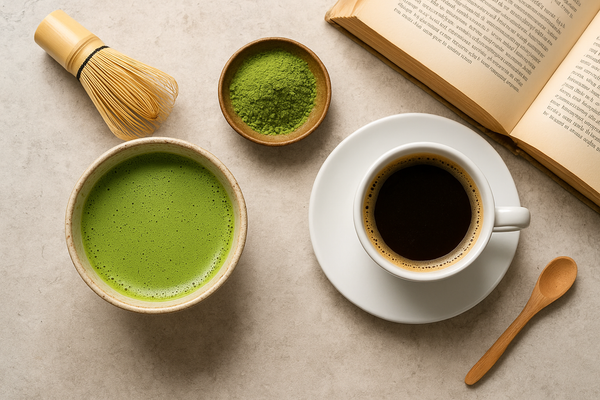
The matcha flavor should be rich, smooth, and slightly sweet with subtle umami notes. Bitter or astringent powder is usually lower quality or improperly stored. Start with a small whisked serving: the liquid should be vibrant green, foamy, and silky on the palate. High-quality matcha drink will leave a lingering sweetness rather than a sharp bitterness.
If you’re exploring culinary uses, such as matcha ice cream or desserts, quality remains crucial. Even slight bitterness or dullness can overpower other ingredients, reducing both taste and nutritional impact.
Know Your Matcha Ingredients
A premium product contains only matcha ingredients, nothing else. Some commercial powders add fillers or flavorings, which can compromise both taste and matcha health benefits. Authentic Japanese ceremonial grade matcha is pure, made exclusively from hand-picked young leaves.
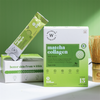
For those seeking additional wellness benefits, matcha with collagen or matcha with collagen powder is becoming popular. Adding matcha collagen to your routine merges the antioxidant power of matcha with the skin, hair, and joint benefits of collagen. A creamy morning matcha drink with collagen can be a revitalizing ritual to kickstart your day.
Choosing the Right Type of Matcha
There are primarily two types of matcha to consider: ceremonial and culinary. Japanese ceremonial grade matcha is best for traditional drinks, where you savor the flavor and aroma. Culinary-grade matcha works well in smoothies, baked goods, or recipes like matcha ice cream, where its robust flavor can stand up to sugar and other ingredients.
Remember, matcha is made of young leaves that have been shaded for weeks before harvest. This shading process increases chlorophyll and amino acid content, which explains the vibrant green color and umami taste. The youngest leaves, with the tender tips, produce the best quality powder, while older leaves are reserved for culinary purposes.
How to Judge Quality at Home
Here’s a simple guide to evaluate your matcha:
-
Color: Vibrant, bright green indicates high quality.
-
Texture: Fine, smooth, almost silky powder. Grainy or coarse powder is lower grade.
-
Aroma: Sweet, grassy scent with hints of umami.
-
Taste: Smooth, naturally sweet with slight umami. Avoid overpowering bitterness.
-
Foam: When whisked, high-quality matcha forms a creamy layer of froth.
Adding matcha collagen powder to ceremonial-grade matcha doesn’t compromise its quality if done right. Look for products where collagen is finely blended to maintain smooth texture and flavor.
Versatile Uses of Matcha
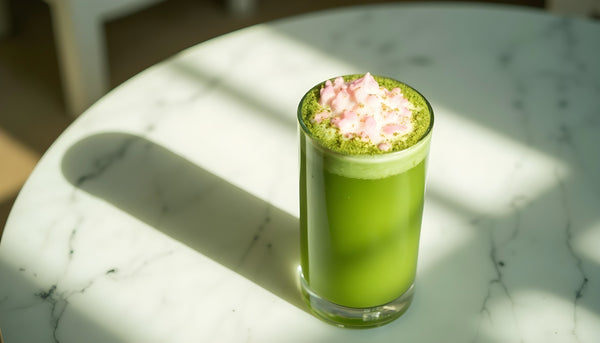
Beyond traditional tea ceremonies, matcha uses are endless. From lattes to smoothies, from baked goods to matcha ice cream, this powder adds vibrant color, unique taste, and a health boost to your creations. With pure matcha ingredients, you get antioxidants, catechins, and L-theanine, which support focus, metabolism, and relaxation simultaneously.
For a daily wellness routine, try a matcha drink in the morning with a scoop of matcha collagen powder. Not only will you enjoy the concentrated matcha health benefits, but you’ll also support skin hydration, joint health, and protein intake.
Why Freshness and Quality Matter
Choosing fresh, high-quality Japanese ceremonial grade matcha isn’t just about taste—it’s about maximizing matcha benefits. Low-grade or stale powders lose antioxidants and amino acids, diminishing their impact on energy, focus, and overall wellness. By investing in quality, you ensure every cup, smoothie, or dessert delivers its intended health effects.
Final Thoughts
Understanding how to identify freshness, flavor, and quality transforms your experience with matcha tea powder. Look for vibrant green color, soft texture, sweet aroma, and smooth, umami-forward taste. Incorporate matcha collagen if you want a daily ritual that supports both inner wellness and skin vitality.
Whether you enjoy a classic matcha drink, experiment with matcha ice cream, or create innovative recipes, choosing the right powder is the first step. Your taste buds, body, and mind will thank you. After all, when your matcha is made of carefully grown leaves from the matcha plant, every sip is a celebration of tradition, flavor, and health.
FAQs
1. What makes Japanese ceremonial grade matcha different from other matcha powders?
Japanese ceremonial grade matcha is made from young, shade-grown matcha leaves and finely stone-ground to create a smooth powder. It has a vibrant green color, delicate matcha flavor, and high levels of amino acids, antioxidants, and natural caffeine, making it ideal for a traditional matcha drink.
2. How can I check the freshness of my matcha tea powder at home?
Fresh matcha tea powder is bright green, soft, and aromatic. Rub a pinch between your finger; it should feel silky, not clumpy. Smell it; fresh matcha leaves have a sweet, grassy scent, unlike stale powder that smells flat or hay-like.
3. What are the key matcha ingredients responsible for its health benefits?
Authentic matcha ingredients include finely ground matcha leaves from the matcha plant, rich in antioxidants, catechins, and L-theanine. These compounds support focus, metabolism, relaxation, and overall wellness, contributing to matcha health benefits.
4. How does matcha with collagen enhance both wellness and flavor in drinks?
Adding matcha with collagen powder combines the antioxidant power of matcha with collagen’s benefits for skin, hair, and joints. A creamy matcha drink with matcha collagen delivers a smooth taste and a functional boost, making wellness indulgent and delicious.
5. Can matcha ice cream and desserts retain the full matcha health benefits?
Yes, using high-quality Japanese ceremonial grade matcha ensures that desserts like matcha ice cream retain antioxidants, catechins, and amino acids. Culinary-grade matcha can also work but may have slightly less potency.
6. What is the best way to enjoy a smooth matcha drink with authentic matcha flavor?
Whisk fresh matcha leaves or powder with hot water until frothy. Use ceremonial-grade matcha for maximum matcha flavor and health benefits. Optional: add matcha collagen powder for a wellness boost without compromising taste.
7. How is matcha made of young matcha leaves from the matcha plant for maximum quality?
The best matcha is made of tender, shade-grown matcha leaves harvested early for vibrant color and high amino acid content. These leaves are stone-ground into a fine powder, preserving antioxidants, umami matcha flavor, and overall quality.