Your body is remarkably designed to maintain balance, but sometimes this delicate system encounters roadblocks. One such challenge is insulin resistance, a condition affecting millions worldwide that disrupts how your body processes sugar, leading to fatigue, weight gain, and increased risk of type 2 diabetes.
Encouraging news? An insulin resistance diet focused on smart food choices can naturally restore your body's ability to manage blood sugar levels effectively. Let's explore how understanding your body's response to food can transform your health journey.
Understanding Insulin Resistance
Insulin is the hormone that acts like a key, unlocking your cells so glucose can enter and provide energy. In insulin resistance, those “locks” become difficult to open. Your pancreas responds by producing more insulin, but over time this compensatory effort strains the system.
The result: higher blood sugar levels, increased fat storage around the midsection, and heightened inflammation. Poor glucose control worsens insulin resistance, while better blood sugar management helps restore insulin sensitivity. This cyclical relationship makes nutrition one of your most effective levers.
Why Food Choices Matter
Every meal directly impacts blood sugar, but not all foods affect it equally. Some create sharp spikes, others promote steadier, controlled responses. Choosing foods that release glucose gradually gives your insulin system a more manageable workload and helps prevent the overwhelming surges that fuel resistance.
Meal timing, portion control, and food combinations also matter, working together to maintain stable blood sugar across the day.
Glycemic Index & Glycemic Load Explained
Glycemic Index (GI) ranks foods (0–100) based on how quickly they raise blood glucose. Low GI foods (55 or below) release glucose slowly. High GI foods (above 70) cause rapid spikes. For instance, steel-cut oats have a GI of ~42, while instant oats score around 79. Glycemic Load (GL) gives a more practical view by factoring in portion size and carb content. Watermelon has a high GI (72) but a low GL (4) because the actual carbohydrate per serving is small. GI tells you the speed; GL tells you the overall impact.
Dietary Shifts That Support Insulin Sensitivity
The foundation of managing insulin resistance lies in prioritizing whole, unprocessed foods that maintain their natural fiber, nutrients, and structure. Processed foods often strip away beneficial compounds while adding sugars, refined flours, and preservatives that spike blood glucose rapidly.
1. Vegetables

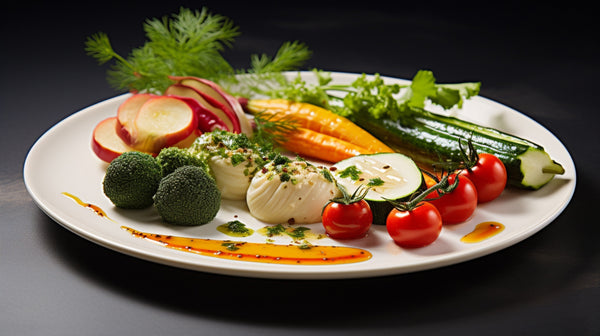
Non starchy vegetables should form the cornerstone of your insulin resistance diet. Leafy greens, broccoli, cauliflower, bell peppers, zucchini, and cucumbers are virtually free of glucose impact while providing essential nutrients and fiber. Aim to fill half your plate with these powerhouse foods at every meal. Root vegetables like sweet potatoes and beets, while higher in natural sugars, can be enjoyed in moderation due to their fiber content and superior nutrient profile compared to processed alternatives.
2. Fruits

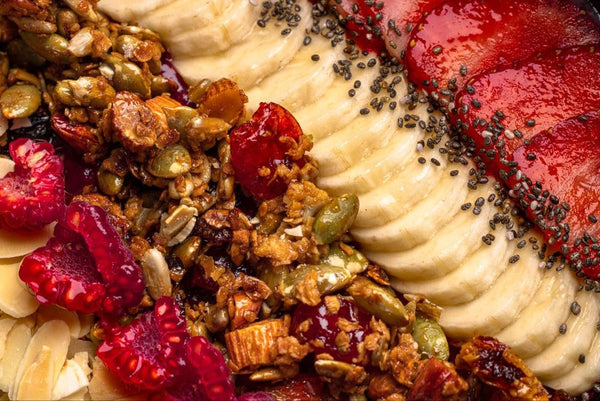
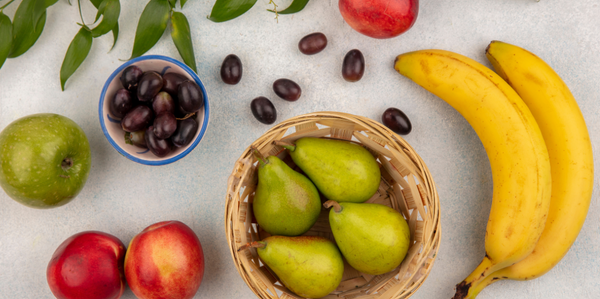
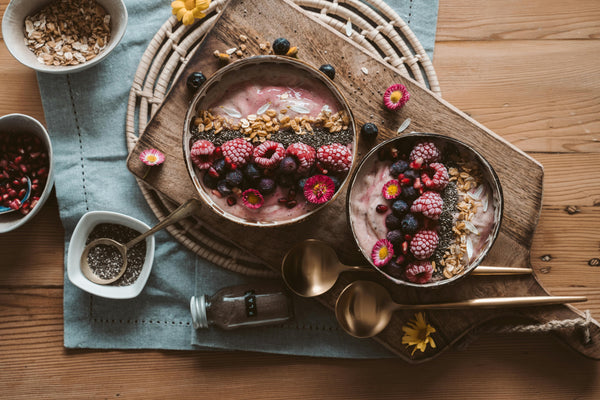
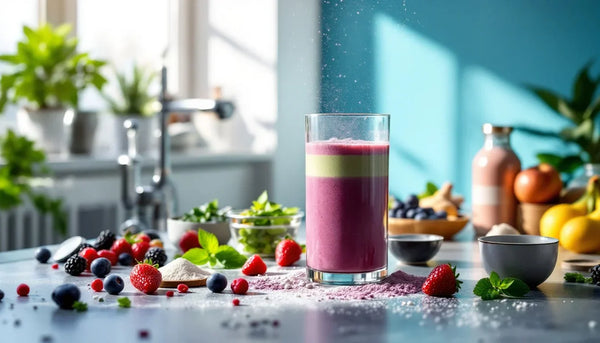
Choose whole fruits over juices to benefit from their natural fiber content, which slows sugar absorption. Berries blueberries, strawberries, and raspberries are particularly excellent choices due to their low glycemic load and high antioxidant content. When eating moderate GI fruits like apples or pears, combine them with nuts or seeds to further blunt the glucose response and enhance satiety.
3. Whole Grains

Refined grains undergo extensive processing that removes the bran, germ, and much of the endosperm stripping away fiber, vitamins, and minerals while leaving mostly starch. Whole grains retain all three components: the fiber rich bran, nutrient dense germ, and starchy endosperm. Choose quinoa, steel cut oats, brown rice, and bulgur wheat over white bread, white rice, and processed cereals.
4. Beans and Legumes

These complex carbohydrate powerhouses provide both protein and fiber, creating a sustained energy release that supports stable blood sugar. Lentils, chickpeas, black beans, and kidney beans are excellent choices that can be incorporated into various meals throughout the day.
5. Fish

Fatty fish rich in omega 3 fatty acids salmon, mackerel, sardines, and tuna provide high quality protein without affecting blood glucose while offering anti-inflammatory benefits that support insulin sensitivity.
6. Lean Protein and Poultry

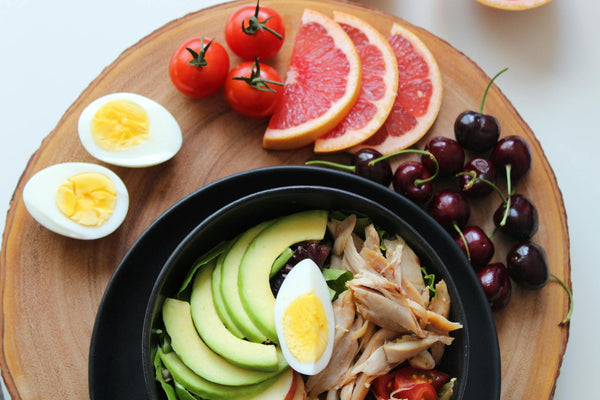
Chicken breast, turkey, eggs, and plant based proteins help maintain steady blood sugar levels while supporting muscle health. Protein also increases satiety, reducing the likelihood of reaching for high glycemic snacks between meals.
7. Nuts and Seeds (OMEGA Fats)

Almonds, walnuts, chia seeds, and flaxseeds provide healthy fats that slow digestion and help stabilize blood sugar responses to meals. These foods also supply omega 3 fatty acids that reduce inflammation associated with insulin resistance.
Foods to Minimize
Certain foods consistently trigger blood sugar spikes and should be minimized or eliminated from your insulin resistance diet:

Beverages to limit: Soda, fruit juices, and sweetened teas deliver concentrated sugars directly into your bloodstream without any fiber to slow absorption.
Refined grains: White rice, white bread, and cereals with added sugars have been stripped of their natural fiber and nutrients, causing rapid glucose spikes.
Ultra processed snacks: Candy, cookies, cakes, and chips combine refined sugars, processed fats, and artificial additives that disrupt blood sugar control and promote inflammation.
Indian Meal Plan to Support Insulin Sensitivity
|
Time |
Meal |
Options |
|
7:00 – 8:00 AM |
Breakfast |
Quinoa Vegetable Upma – quinoa cooked with peas, carrots, bell peppers, curry leaves, and mustard seeds. |
|
10:30 – 11:00 AM |
Mid-Morning Snack |
A small bowl of mixed berries (strawberries, blueberries, raspberries) with a few almonds or walnuts. |
|
12:30 – 1:30 PM |
Lunch |
Methi Dal (Fenugreek Lentil Curry) with 1–2 small rotis made from whole wheat or millet flour. |
|
3:30 – 4:00 PM |
Afternoon Snack |
Roasted chickpeas or a small serving of Greek yogurt with flax seeds. |
|
6:30 – 7:30 PM |
Dinner |
Grilled fatty fish like salmon or mackerel OR tandoori chicken with a side of sautéed greens (spinach, kale, or cabbage). |
|
8:00 – 8:30 PM |
Evening Snack (if needed) |
A few walnuts or pumpkin seeds or a small serving of apple slices with nut butter. |
Lifestyle Factors That Matter

Exercise: Regular physical activity increases insulin sensitivity by helping muscles utilize glucose more efficiently, even hours after your workout ends. (NIH)
Sleep: Quality sleep regulates hormones like cortisol and growth hormone that directly impact blood sugar control and insulin function. (NIH)
Stress: Chronic stress elevates cortisol levels, which can increase blood glucose and worsen insulin resistance over time. (NIH)
Hydration: Proper water intake supports kidney function and helps maintain optimal blood viscosity for improved circulation and glucose transport. (NIH)
Supplements for Insulin Resistance Support

Berberine
Berberine for insulin resistance works by activating AMPK, an enzyme that helps cells utilize glucose more effectively. Clinical studies show berberine supplement can lower blood sugar levels comparably to certain medications while improving insulin sensitivity.
Slow Diabetes Care Capsule
Comprehensive formulations like Slow Diabetes Care Capsule typically combine multiple blood sugar supporting compounds, including chromium, alpha lipoic acid, and plant extracts that work synergistically to support healthy glucose metabolism.
Protein
Adequate protein intake helps stabilize blood sugar by slowing carbohydrate absorption and supporting muscle health, which is crucial for glucose uptake and insulin sensitivity.
Fiber
Supplemental fiber, particularly soluble fiber, binds to sugars in the digestive tract, slowing their absorption and preventing rapid blood glucose spikes.
ACV (Apple Cider Vinegar)
Apple cider vinegar may improve insulin sensitivity by enhancing cellular glucose uptake and reducing post meal blood sugar rises when taken before carbohydrate containing meals.
Omega 3
These essential fatty acids reduce inflammation associated with insulin resistance while supporting cardiovascular health and potentially improving insulin sensitivity at the cellular level.
Vitamin D3 & K2
This powerful combination supports insulin function Vitamin D3 helps regulate insulin production while K2 ensures proper calcium utilization, supporting vascular health crucial for optimal circulation and glucose transport.
Conclusion
Managing insulin resistance naturally through an insulin resistance diet isn't just about restricting foods it's about nourishing your body with choices that support optimal function. By understanding how different foods affect your blood sugar, prioritizing whole foods over processed alternatives, and supporting your efforts with targeted lifestyle changes and quality supplements, you can take meaningful steps toward better health.
Remember, small, consistent changes compound over time. Start with one or two modifications, build momentum, and gradually expand your healthy habits. Your body has an remarkable ability to heal and restore balance when given the right tools and support.

Recommended Products
 Liposomal Berberine HCL+
₹1,439 – ₹2,878
Liposomal Berberine HCL+
₹1,439 – ₹2,878
 Diabetes Care Slow
₹1,119 – ₹2,238
Diabetes Care Slow
₹1,119 – ₹2,238