We live in a time where metabolic health is under constant pressure processed foods, sedentary routines, and rising stress levels all take their toll. The result? More people than ever are struggling with insulin resistance, often without even realizing it. While lifestyle changes remain the foundation, curiosity around natural compounds that can support these efforts is growing. One such compound is berberine, an ancient botanical now being revisited by modern science. But beyond the hype, what does berberine really do for insulin resistance, and is it worth adding to your wellness toolkit?
What is Berberine?
Berberine is a naturally occurring compound found in plants like goldenseal, barberry, and Oregon grape. It has been used for centuries in traditional Chinese and Ayurvedic medicine, mainly for its antimicrobial, anti-inflammatory, and digestive benefits.
More recently, scientific research has uncovered another impressive property: its ability to support healthy blood sugar levels and improve insulin sensitivity.
Unlike standard pharmaceutical options, berberine works through multiple pathways in the body, making it a natural yet powerful ally for metabolic support.
Understanding Insulin Resistance
To appreciate how berberine works, it’s important to understand insulin resistance itself.
Insulin is the hormone that allows cells to absorb glucose from the bloodstream to produce energy. In insulin resistance, cells become less responsive to insulin, leading to elevated blood sugar. Over time, this can progress into prediabetes or type 2 diabetes and contribute to issues like fatigue, weight gain, and cardiovascular risks.
While diet, exercise, and weight management remain the first steps, targeted berberine supplements can offer additional support.
How Berberine Supports Insulin Sensitivity
Berberine’s impact on insulin resistance is multi-dimensional, which makes it especially effective in supporting metabolic health:
-
Activates AMPK (“The Metabolic Master Switch”)
Berberine stimulates AMP-activated protein kinase (AMPK), a key enzyme that regulates how your body uses energy. By activating AMPK, cells become more responsive to insulin and improve glucose uptake. (NIH)
-
Reduces Glucose Production in the Liver
The liver often produces excess glucose in insulin resistance. Berberine helps curb this overproduction, naturally supporting balanced blood sugar. (NIH)
-
Improves Gut Microbiota Balance
Early research suggests berberine can positively influence gut bacteria, which supports digestion, reduces inflammation, and enhances overall metabolic function. (NIH)
-
Enhances Cellular Glucose Uptake
Berberine helps transport glucose into muscle and fat cells, allowing the body to use sugar more efficiently. One study showed a 44% decrease in insulin resistance and improved glucose handling.(NIH)
Choosing a premium-quality nutraceutical is key to experiencing these benefits. For example, Wellbeing Nutrition’s Liposomal Berberine HCL+ delivers a clinically effective 1100 mg dose from pure Himalayan Berberis aristata roots. Thanks to its advanced liposomal delivery, it’s 10x more bioavailable than standard berberine ensuring maximum absorption for blood sugar, lipid, and gut health support.
Beyond Blood Sugar
Berberine doesn’t stop at insulin sensitivity. Clinical evidence suggests additional benefits:
-
Improves Lipid Profiles
Helps reduce LDL (“bad”) cholesterol and triglycerides while supporting healthy HDL levels. (NIH)
-
Supports Weight Management
By improving metabolic efficiency, berberine can aid in weight control, especially for those with insulin resistance. (NIH)
-
Combats Inflammation & Oxidative Stress
Research shows berberine reduces cellular inflammation and oxidative stress in organs like the liver, kidneys, adipose tissue, and pancreas. (NIH)
-
Reduces Liver Fat
In one study, lifestyle changes plus berberine reduced liver fat by 53%, compared to 36% with lifestyle alone.(NIH)
Together, these findings highlight berberine as a science-backed tool for holistic metabolic wellness.
Note: Berberine is not a replacement for prescribed medication. Always consult your doctor before starting supplementation, especially if you’re already on blood sugar-lowering medicines.
Nutritionist Suggested Stacks
For better results, experts often recommend combining berberine with other targeted supplements:
|
Concern |
Supplement combo |
|
Blood sugar balance / Insulin sensitivity support |
|
|
Weight and fat management / Metabolic wellness |
Liposomal Berberine HCL + |
|
Healthy cholesterol levels |
Liposomal Berberine HCL + |
|
Chronic Inflammation |
Liposomal Berberine HCL + Omega 3 / Multi + Omega
|
Lifestyle Synergy: Berberine Works Best with Healthy Habits
While berberine supplements are powerful, its true potential is unlocked when paired with lifestyle shifts:
-
Balanced Nutrition: Whole foods, lean proteins, healthy fats, and low-glycemic carbs.
-
Regular Exercise: Both strength training and cardio improve insulin sensitivity.
-
Stress Management: Chronic stress worsens insulin resistance—mindfulness, meditation, and yoga can help.
-
Sleep Quality: Prioritize 7–8 hours of quality sleep to keep blood sugar in check.
The Bottom Line
Berberine is steadily carving its place as a trusted natural support for those navigating insulin resistance. With its ability to improve insulin sensitivity, balance blood sugar, and even nurture gut health, it offers a holistic edge to metabolic wellness. Combined with mindful lifestyle choices nutritious eating, movement, quality sleep, and stress balance—it can become a powerful ally in your health journey.
After all, wellness isn’t about quick fixes it’s about building rhythms that last. And sometimes, nature holds the rhythm our bodies have been waiting for.

Recommended Products
 Liposomal Berberine HCL+
₹1,439 – ₹2,878
Liposomal Berberine HCL+
₹1,439 – ₹2,878
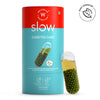 Diabetes Care Slow
₹1,119 – ₹2,238
Diabetes Care Slow
₹1,119 – ₹2,238