So, you've got that gorgeous green matcha powder sitting in your pantry, and you're thinking it's only good for lattes? Think again! While matcha drinks have had their moment in the spotlight, the real magic happens when you start sneaking this superfood powder into your everyday foods. We're talking pancakes that practically glow with goodness, energy balls that actually deliver on their promise, and desserts that make you feel virtuous instead of guilty.
The best part? When you incorporate matcha into solid foods, you're getting all those incredible antioxidants in a more sustained, slow-release way. Your body absorbs the nutrients alongside fats and proteins from the food, making everything work harder for you. Plus, combining matcha with collagen in various recipes creates a powerhouse duo that supports everything from skin elasticity to sustained energy levels.
Why Matcha?

Let's get real about what matcha powder brings to the table. This isn't just about turning your food green (though that's admittedly fun). Matcha benefits include a concentration of antioxidants called catechins, specifically EGCG, that's up to 137 times greater than regular green tea (NIH) These compounds support cellular health, boost metabolism, and provide anti-inflammatory effects throughout your body. (NIH)
When you consume matcha in food, you're also getting L-theanine, an amino acid that promotes calm, focused energy without the jitters. (NIH) And here's where it gets interesting, pairing matcha with collagen-rich foods or collagen supplements creates a synergistic effect. The vitamin C naturally present in matcha actually helps your body produce and absorb collagen more efficiently, supporting skin health, joint function, and gut integrity. (NIH) It's like your breakfast just became your beauty routine.
Now let's dive into the 6 creative ways, you can use your matcha powder:
Fluffy Matcha Pancakes

Ingredients:
-
1 cup all-purpose flour
-
1 tablespoon baking powder
-
2 teaspoons matcha powder / matcha collagen powder
-
1 cup milk (dairy or plant-based)
-
1 egg
-
2 tablespoons melted butter
-
Fresh berries for topping
-
Greek yogurt for serving
Whisk together the dry ingredients in one bowl and the wet ingredients in another. Combine until just mixed, being careful not to overmix. Cook on a buttered griddle over medium heat until bubbles form on the surface, then flip and cook until golden.
The chlorophyll gives you those Instagram-worthy green pancakes, but the real benefit is how the matcha's fiber content slows down the glucose spike from the carbs. The heat from cooking doesn't destroy collagen's amino acids, and the combination creates a breakfast that supports skin elasticity while providing sustained energy.
No-Bake Matcha Energy Balls

Ingredients:
-
1 cup pitted dates
-
1 cup raw almonds
-
2 tablespoons matcha green tea powder / matcha collagen powder
-
2 tablespoons almond butter
-
Pinch of sea salt
-
Shredded coconut for coating
In a food processor, blend all ingredients except the coconut until the mixture sticks together when pressed. Roll into 1-inch balls and coat in shredded coconut. Refrigerate for at least 1 hour before eating.
These matcha energy bites deliver a genuine energy boost thanks to the natural sugars from dates combined with matcha's sustained caffeine release. The fat from nuts helps your body absorb matcha's fat-soluble nutrients more effectively, while the collagen offers additional skin benefits.
Marble Matcha Banana Bread

Ingredients:
-
3 ripe bananas, mashed
-
1/3 cup melted butter
-
3/4 cup sugar
-
1 egg, beaten
-
1 teaspoon vanilla extract
-
1 teaspoon baking soda
-
Pinch of salt
-
1 1/2 cups all-purpose flour
-
2 teaspoons matcha powder / match collagen powder
Preheat oven to 180°C. Mix bananas, butter, sugar, egg, and vanilla. Stir in baking soda, salt, collagen powder, and flour until just combined. Divide batter in half. Mix matcha powder into one half. Pour the plain batter into a greased loaf pan, then dollop the matcha batter on top. Use a knife to swirl the batters together for a marbled effect.
Bake for 55-60 minutes. The antioxidants in matcha actually help preserve the bread and slow down oxidation, meaning it stays fresher longer. The moisture from bananas helps mask any texture changes from the collagen, and you'll never know it's there.
Overnight Matcha Chia Pudding

Ingredients:
-
3 tablespoons chia seeds
-
1 cup milk of choice
-
1 teaspoon matcha powder / matcha collagen powder
-
1 tablespoon honey or maple syrup
-
1 scoop collagen peptides
-
Sliced almonds for topping
-
Fresh fruit for topping
In a jar, combine chia seeds, milk, matcha powder, sweetener, and collagen peptides. Shake vigorously until well combined. Refrigerate overnight or for at least 4 hours. Top with sliced almonds and fresh fruit before serving. This matcha breakfast recipe is absurdly simple, and the chia seeds create a gel-like consistency thanks to their soluble fiber, which slows digestion and creates a gradual release of matcha's beneficial compounds. The omega-3s in chia seeds are anti-inflammatory, working in tandem with matcha's EGCG to support cellular health. Adding collagen makes this a complete protein source, perfect for skin health and hair strength.
Crunchy Matcha Granola

Ingredients:
-
3 cups rolled oats
-
1 cup mixed nuts and seeds
-
1/3 cup coconut oil, melted
-
1/3 cup honey
-
3 teaspoons matcha powder / matcha collagen powder
-
1/2 teaspoon vanilla extract
-
Pinch of salt
Preheat oven to 160°CF. Mix all ingredients except collagen powder in a large bowl. Spread on a baking sheet and bake for 25-30 minutes, stirring halfway through. After cooling completely, toss with collagen powder to preserve its amino acid structure. The heat actually helps release some of matcha's aromatic compounds, creating a toasted, slightly earthy flavor. The healthy fats from nuts and coconut oil enhance the absorption of matcha's fat-soluble antioxidants, while the collagen adds protein that makes your granola more than just crunchy carbs.
6. Matcha White Chocolate Blondies
Ingredients:
-
1/2 cup white chocolate chips
-
1/3 cup butter
-
3/4 cup sugar
-
2 eggs
-
1 teaspoon vanilla extract
-
1 cup all-purpose flour
-
2 teaspoons matcha powder
-
1 scoop unflavored collagen
-
1/4 teaspoon salt
Preheat oven to 180°C. Melt white chocolate chips with butter. Stir in sugar, eggs, and vanilla. Fold in flour, matcha collagen powder, and salt until just combined.
Pour into a greased 8x8 inch pan and bake for 25-30 minutes. The batter turns a beautiful pale green, and the antioxidants in matcha actually help counterbalance some of the oxidative stress from sugar.
Your Matcha Journey Starts Here
The beauty of incorporating matcha into food rather than just drinking it is the versatility and the way it pairs seamlessly with collagen-rich ingredients or collagen supplements. You're not just adding color or trendy appeal; you're genuinely upgrading your nutrition, one delicious bite at a time. Each of these recipes transforms ordinary meals into opportunities for self-care, combining the ancient wisdom of matcha green tea powder with modern nutritional science. (NIH)
Whether you're starting your morning with fluffy pancakes, grabbing an energy ball for an afternoon pick-me-up, or indulging in a sweet treat that actually nourishes your body, matcha proves it's so much more than a beverage ingredient. So go ahead, get that matcha powder out of the cupboard and start experimenting. Your body, your skin, and your taste buds will thank you for making this simple but powerful addition to your daily routine.
Frequently Asked Questions
1: Can I use any type of matcha powder for cooking and baking?
A: While you can use any matcha, culinary-grade matcha is more affordable and works perfectly for recipes. Save ceremonial-grade matcha for drinking, as the heat from cooking can diminish some of its delicate flavors.
2: Will cooking destroy matcha's antioxidants and health benefits?
A: No, matcha's catechins and most antioxidants remain stable during typical cooking and baking temperatures. While some minimal nutrient degradation may occur with prolonged high heat, you'll still get the majority of matcha's beneficial compounds.
3: How much matcha should I add to recipes without making them taste bitter?
A: Start with 1-2 teaspoons per recipe serving 4-6 people. Matcha has an earthy, slightly bitter taste that becomes more pronounced with higher amounts. The recipes provided use tested ratios that balance flavor with benefits.
4: Can I add collagen powder to any matcha recipe?
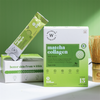
A: Yes, unflavored collagen peptides dissolve easily and won't affect taste or texture in most recipes. For baked goods, add it with dry ingredients. For no-bake recipes, mix it in with liquids. Avoid heating collagen above 300°F for extended periods to preserve its amino acid structure. A smarter and cleaner option is Wellbeing Nutrition's Matcha Collagen that combines 8g of Marine Collagen Peptides (<1000 Daltons) with 1.8g of Ceremonial Grade Matcha to restore skin radiance, texture, and elasticity while delivering clean, sustained energy without the jitters.
5: How should I store matcha powder to keep it fresh?
A: Store matcha in an airtight container in a cool, dark place or the refrigerator. Exposure to light, heat, and air causes oxidation, which reduces both the vibrant green color and antioxidant content. Properly stored matcha lasts 6-12 months.
6: Will matcha recipes keep me awake if I eat them at night?
A: Matcha contains caffeine (about 25-35mg per teaspoon), so eating matcha-infused foods in the evening may affect sleep for caffeine-sensitive individuals. If this concerns you, enjoy these recipes earlier in the day.
7: Can I substitute matcha powder with green tea in these recipes?
A: No, matcha powder and brewed green tea aren't interchangeable. Matcha is the whole ground tea leaf, providing concentrated nutrients and a powder consistency needed for baking. Regular green tea won't provide the same benefits or work structurally in recipes.