You don’t wake up one day thinking,
“I think I’m low on zinc.”
That’s not how it works.
Zinc deficiency doesn’t shout.
It shows up quietly
in patterns you almost ignore.
A breakout that won’t heal.
A cold that lingers longer than usual.
Skin that just… isn’t bouncing back.
Individually, they mean nothing.
Together?
They start telling a story.
Why Zinc Matters More Than You Think
Zinc is one of those nutrients working behind the scenes.
No hype.
No instant effects.
But it’s involved in:
-
Immune defence
-
Skin repair
-
Inflammation control
-
Cell growth
Which means when levels drop,
your body doesn’t crash.
It just stops working as efficiently.
Signs of Zinc Deficiency You Might Miss
Most signs of zinc deficiency are subtle.
Easy to dismiss.
Easy to explain away.
But here’s what to look for
Skin That Doesn’t Heal Like It Used To
This is often the first place it shows up.
Zinc plays a role in:
-
Collagen production
-
Wound healing
So when levels are low, you may notice:
-
Persistent acne or breakouts
-
Marks that take longer to fade
-
Cuts or wounds healing slowly
-
Skin that feels inflamed or reactive
These are classic zinc deficiency symptoms skin tends to reflect early.
Your Immune System Feels… Slower
Not weaker.
Just slower.
You might notice:
-
Frequent colds
-
Infections that linger
-
Recovery taking longer than usual
These are low zinc immune signs
not dramatic, but consistent.
Because zinc doesn’t just help you fight infection.
It helps your immune system respond efficiently.
You’re Recovering Slower Than You Should

From workouts.
From stress.
From illness.
Zinc supports cellular repair.
Without enough of it,
your body still recovers
Just not as quickly.
Your Taste or Appetite Feels Off

This one surprises people.
Zinc is involved in taste perception.
Low levels can lead to:
-
Reduced sense of taste or smell
-
Lower appetite
It’s subtle.
But noticeable if you pay attention.
Small Drops in Focus and Energy

Nothing extreme.
Just:
-
Slight brain fog
-
Difficulty concentrating
-
Low, persistent fatigue
Zinc supports multiple processes tied to energy and cognition.
When it’s low,
things feel a little off.
Hormonal Imbalance (Often Overlooked)

Zinc plays a role in hormone regulation.
Especially in:
-
Testosterone production
-
Cellular signalling
Low levels may contribute to:
-
Hormonal fluctuations
-
Reduced vitality
It’s not the only factor.
But it’s often part of the picture.
Who Needs a Zinc Supplement Most?
Not everyone does.
But certain groups are more likely to fall short.
If you’re wondering who needs a zinc supplement, this is where to look:
-
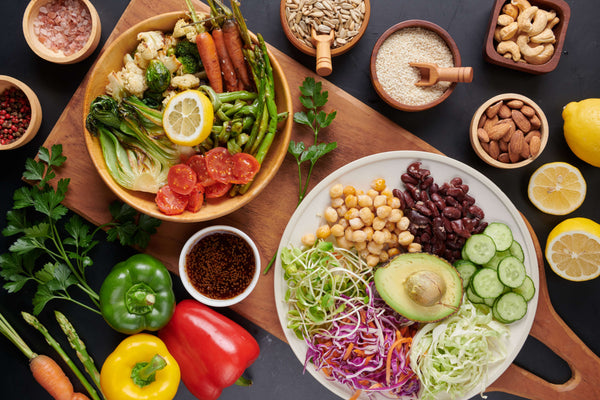
People on plant-heavy diets (phytates reduce absorption)
-
Those with frequent infections or slow recovery
-
Individuals with persistent acne or skin issues
-
People under high stress
-
Older adults (absorption declines with age)
It’s not always about intake.
It’s about absorption and demand.
The Pattern That Matters
One symptom? Probably nothing.
Two or three? Maybe.
A pattern over time?
That’s worth paying attention to.
Because signs of zinc deficiency rarely show up alone.
They show up as small things that don’t feel connected
until you connect them.
Simple Rule to Remember
If your body feels slightly “off” across multiple areas
skin, immunity, recovery
It may not be one big problem.
It may be one small gap.
Zinc is often part of that gap.

Recommended Products
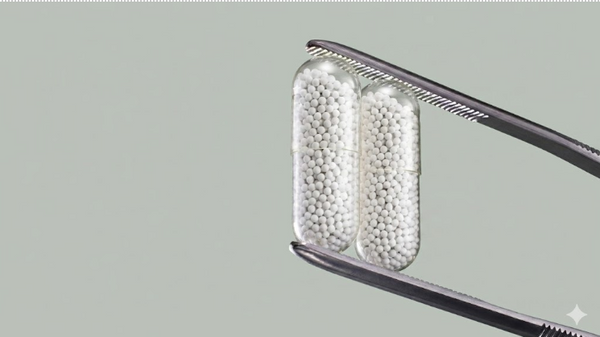
 Liposomal Zinc Complex (Chelated) | Pack of 60 Capsules
₹872 – ₹1,708
Liposomal Zinc Complex (Chelated) | Pack of 60 Capsules
₹872 – ₹1,708