“You are a Vegan. But where do you get your protein?"
If you have been vegan for more than five minutes, someone has already asked you this. And honestly, it is a fair question but the answer is way more satisfying than people expect. Getting 100 grams of protein a day on a vegan diet is absolutely doable. It just takes a little intention, not a complete overhaul of your life.
Let's get into it.
Why 100g of Protein Is the Goal
100 grams is roughly the sweet spot for most active adults. It is enough to support muscle repair, keep hunger in check, stabilise energy levels, and keep your skin, hair, and immunity in good shape. If you are strength training, recovering from an injury, or over 40, you might even need more.
The challenge for vegans is not that plant foods lack protein. It is that many plant proteins are less concentrated per serving compared to animal sources. So you need to be a little more strategic about combining and stacking them through the day. The good news is that Indian cuisine, with its rich tradition of dal, sabzi, and legume-based cooking, already gives you a massive head start.
Your Vegan Protein Power List
Before we get to the meal plan, here are the MVPs of vegan protein that should be rotating through your kitchen regularly.
Legumes and Pulses

Lentils (18g per cooked cup), black beans (15g), chickpeas (15g), kidney beans or rajma (13g), and edamame (17g) are the backbone of a high-protein vegan diet. If you grew up eating dal and rajma chawal, you were already ahead of the curve without even knowing it.
Soy-Based Foods

Tofu (14 to 18g per 100g depending on firmness), tempeh (19g per 100g), and soy milk (7g per cup) are complete proteins, meaning they contain all 9 essential amino acids. Firm tofu is especially versatile and one of the most protein-dense whole plant foods available.
Whole Grains

Quinoa stands out as a complete protein at 8g per cup. Oats (6g per cup) and brown rice (5g per cup) contribute meaningfully when eaten consistently. Even your everyday jowar and bajra roti carry small but real amounts of protein.
Nuts and Seeds

Hemp seeds are a standout at 10g of protein per 3 tablespoons, plus omega-3s. Pumpkin seeds (9g per 30g), peanuts and peanut butter (8g per 2 tbsp), chia seeds (5g per 2 tbsp), and almonds all add up faster than you think.
Vegetables

Peas, spinach, broccoli, and corn all carry small but real amounts of protein. They are not going to carry your macros alone but they contribute more than most people realise across a full day of eating.
A Full Day Indian Vegan Meal Plan for 100g Protein

|
Meal |
What to Eat |
Approx. Protein |
|
Early Morning |
10 soaked almonds + 2 walnuts + 1 tbsp pumpkin seeds |
~5g |
|
Breakfast |
Moong dal chilla (2 pieces) + soy milk smoothie with chia seeds and banana |
~22g |
|
Mid-Morning Snack |
Roasted chana (30g) + 1 tbsp peanut butter with apple slices or Vegan plant protein smoothie |
~12-22g |
|
Lunch |
Rajma or chhole (1 cup) + brown rice or jowar roti + tofu bhurji + cucumber salad |
~30g |
|
Evening Snack |
Plant protein shake with oat milk OR edamame with chaat masala |
~15g |
|
Dinner |
Masoor dal (1 cup) + 2 bajra rotis + sauteed vegetables with paneer-style tofu |
~20g |
|
Post Dinner |
Small bowl of soy yogurt with flaxseeds |
~6g |
|
Total |
|
~110-120g |
This is a realistic, satisfying day of eating that does not feel like a chore. It is largely built around foods you probably already cook at home.
Where a Clean Plant Protein Supplement Fits In
Here is the honest truth. On some days, hitting 100g purely through whole foods requires careful meal prep and a lot of intentional eating. Life gets in the way and that is completely normal. This is where a good plant-based protein supplement earns its place, not as a replacement for food but as a practical, no-stress bridge.
Wellbeing Nutrition's plant protein is one of the cleaner options out there for vegans who genuinely care about what goes into their body. It is made from a blend of pea protein isolate, quinoa, sprouted amaranth, and whole algae, 4 sources that together form a complete amino acid profile, without artificial sweeteners, synthetic flavours, or the fillers that cheaper tubs tend to hide.

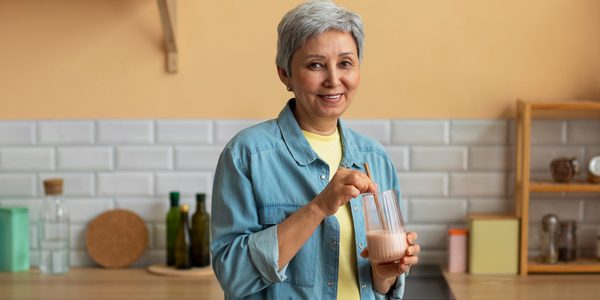
Add it to your morning oats, blend it into a smoothie, or just shake it with oat milk after a workout. It integrates cleanly into a whole food vegan diet rather than sitting awkwardly beside it.
Practical Tips to Actually Hit 100g Every Day
Focus on protein at every meal.
Plan your protein source first, then build the rest of the meal around it. Dal first, rice second. Always.
Combine your plant proteins.
Rice and lentils, hummus and whole grain bread, oats and hemp seeds. These combinations give you a fuller amino acid profile spread throughout the day.
Batch cook your legumes.
A big pot of chickpeas, rajma, or masoor dal on Sunday makes hitting protein targets through the week dramatically easier. Convenience is everything when motivation dips.
Do not skip breakfast protein.
Most people eat carb-heavy breakfasts like poha or plain paratha and then scramble to catch up on protein by dinner. Starting your morning with 20 to 25g sets a completely different tone for your entire day.
Track for just one week.
Use any free nutrition app to see where your gaps actually are. Most vegans are consistently low at breakfast and late afternoon, two easy slots to fix once you know about them.
Eat enough overall.
This is the most underrated vegan protein tip. Many people eat too little on a plant-based diet, which compounds the protein gap. Caloric adequacy and protein sufficiency almost always go hand in hand.
The Bottom Line
Getting 100g of vegan protein daily is not a superhuman feat. It is a meal planning habit built around foods that are already deeply rooted in Indian cooking. Dal, tofu, tempeh, quinoa, peanuts, and edamame are doing most of the heavy lifting. A clean plant protein supplement like Wellbeing Nutrition fills the gap on days when whole foods alone do not quite get you there.
The question was never whether you can get enough protein as a vegan. It has always been about knowing where to find it, and now you do.
FAQs
1. Is it really possible to get 100g of protein on a vegan diet without supplements?
Yes, absolutely. It requires intentional meal planning but is very achievable through whole plant foods alone. A cup of rajma, a bowl of dal, a serving of tofu, some peanut butter, and a handful of seeds across the day can collectively get you close to or beyond 100g without any supplements at all.
2. What are the best high protein vegan foods available in India?
Moong dal, masoor dal, rajma, chhole, soya chunks, tofu, peanuts, roasted chana, edamame, hemp seeds, and pumpkin seeds are among the most accessible and protein-rich vegan foods you can find in any Indian kitchen or grocery store.
3. Are plant proteins complete proteins?
Most individual plant proteins are incomplete, meaning they lack one or more essential amino acids. However, combining foods like rice with dal, or hummus with whole grain bread, gives you a complete amino acid profile across the day. Soy, quinoa, and hemp seeds are exceptions and are complete proteins on their own.
4. How do soya chunks compare to other vegan protein sources?
Soya chunks are one of the most protein-dense plant foods available, delivering about 52g of protein per 100g dry weight. They are incredibly affordable, widely available in India, and work beautifully in curries, pulao, and stir-fries. They are genuinely one of the best kept secrets in vegan protein eating.
5. Can I build muscle on a vegan diet with 100g of protein?
Yes. Protein quantity matters more than protein source when it comes to muscle protein synthesis, provided you are combining plant proteins well to cover all essential amino acids. Many athletes and bodybuilders perform at a high level on a well-planned vegan diet.
6. How much protein do I actually need per day as a vegan?
The general RDA is 0.8g per kg of body weight for sedentary adults. For active individuals, this goes up to 1.2 to 2.0g per kg. So a 60kg active woman would need between 72 and 120g of protein daily. 100g is a solid and realistic target for most people who are moderately active.
7. Is pea protein good for vegans? What about digestibility?
Pea protein is one of the most digestible plant proteins available and is very well tolerated, even by people with sensitive stomachs. It is also high in branched chain amino acids, which are important for muscle recovery. Products like Wellbeing Nutrition's plant protein use pea protein as a base specifically because of its clean digestibility profile.
8. What is the difference between pea protein and whey protein for vegans?
Whey protein is derived from dairy and is not suitable for vegans. Pea protein is entirely plant-based and delivers comparable amino acid content, particularly when blended with brown rice protein. For most vegan fitness goals, a quality pea and rice protein blend performs very similarly to whey in terms of muscle recovery and satiety.
9. Can I get enough protein as a vegan if I do not like tofu or tempeh?
Absolutely. Tofu and tempeh are helpful but far from mandatory. Dal, rajma, chhole, soya chunks, peanuts, roasted chana, oats, and seeds can collectively cover your protein needs very well. Indian cuisine in particular offers tremendous variety in plant-based protein that has nothing to do with tofu.
10. How do I avoid bloating from high fibre vegan protein foods?
Bloating from legumes is common and usually caused by the outer skin of beans and lentils. Soaking them overnight, cooking them thoroughly, and introducing them gradually into your diet helps significantly. Starting with easier-to-digest options like moong dal and masoor dal before moving to heavier legumes like rajma and chhole also makes a real difference. A high-quality plant protein supplement with good digestibility, like those using pea protein isolate, is also a gentler option on days when whole food portions are high.

Recommended Products
 Plant Protein 22g | 500g | 3B CFU Probiotics | Belgian Dark Chocolate
₹1,709 – ₹3,238
Plant Protein 22g | 500g | 3B CFU Probiotics | Belgian Dark Chocolate
₹1,709 – ₹3,238
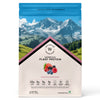 Plant Protein 22g | 500g | 3B CFU Probiotics | Canadian Mixed Berry
₹1,709 – ₹3,238
Plant Protein 22g | 500g | 3B CFU Probiotics | Canadian Mixed Berry
₹1,709 – ₹3,238
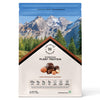 Plant Protein 22g | 500g | 3B CFU Probiotics | Dark Chocolate Hazelnut
₹1,709 – ₹3,238
Plant Protein 22g | 500g | 3B CFU Probiotics | Dark Chocolate Hazelnut
₹1,709 – ₹3,238
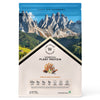 Plant Protein 22g | 500g | 3B CFU Probiotics | French Vanilla Caramel
₹1,709 – ₹3,238
Plant Protein 22g | 500g | 3B CFU Probiotics | French Vanilla Caramel
₹1,709 – ₹3,238