Let’s be honest.
Buying nutritional supplements online can feel like navigating a very confident maze.
Every supplement brand looks polished.
Every product has a five-star review.
Every label says “premium”, “advanced”, or “clinically supported”.
None of those words mean much on their own.
So how do you actually know which are the best supplements to buy online?
Not just good-looking but genuinely safe, effective, and well-made?
Here’s what to look for.
In plain English.
Start With the Factory, Not the Formula
Most people skip this.
That’s exactly why it matters most.
A dietary supplement is only as good as where it’s made.
You can design the perfect formula.
But if it’s produced in a facility with poor controls or inconsistent standards,
what’s inside the bottle may not match the label.
Look for these supplement certifications:
GMP certified supplements (Good Manufacturing Practices)
Ensure consistent production, hygiene, and supplement quality control.
US FDA registered facility
Indicates the facility is listed and subject to inspection.
ISO & FSSC 22000 certification
Cover food safety standards and quality management systems.
These are not marketing badges.
They are difficult and expensive to maintain.
When a brand holds multiple certifications, it signals real commitment to high-quality supplements, not just good branding.
Third-Party Testing Is Non-Negotiable
Here’s the uncomfortable truth.
A supplement label can claim almost anything.
Unless it’s verified by third-party tested supplements, you’re taking the brand’s word for it.
Supplement third-party testing confirms:
-
Ingredients are actually present
-
Dosages are accurate
-
Products are free from heavy metals and contaminants
Look for:
-
NABL-certified labs (India)
-
NSF certified supplements or equivalent global standards
Even better? Brands that publish their lab test reports.
If a company cannot show independent testing,
that is your answer.
Read the Label Like You Mean It
This is where supplement quality becomes visible.
A good label tells you:
-
The exact form of each ingredient
-
The precise dosage
-
Everything inside the product
Example:
Not just “magnesium” but the best form of magnesium supplement (like glycinate or threonate).
Because the form determines nutrient absorption.
Be cautious of:
Proprietary blends in supplements
They list ingredients without amounts.
Often a way to underdose expensive components.
Transparency matters.
If the label is vague, ask why.
Watch What the Label Doesn’t Say
What’s missing is often more important than what’s included.
If ingredient forms aren’t specified,
they’re usually not the most bioavailable supplements.
If ingredient sources aren’t disclosed,
traceability is likely weak.
High-quality brands tend to:
-
Use high bioavailability nutrients
-
Disclose ingredient sourcing
-
List specific probiotic strains (not just CFU counts)
You’ll also see clinically studied ingredients or trademarked compounds.
They cost more.
But they’re backed by research—and usually perform better.
Dietary Certifications Matter More Than You Think
Certifications like Halal certified supplements, Kosher supplements, or NSF certification are often overlooked.
They shouldn’t be.
These require independent audits of:
-
Ingredient sourcing
-
Manufacturing processes
-
Cross-contamination controls
This adds another layer of supplement safety and quality assurance.
When a brand holds multiple certifications, it reflects consistency—not just compliance.
The Red Flag Checklist
Before you buy any health supplements online, check this:
-
No certifications? Walk away.
-
No manufacturing details? Walk away.
-
Unrealistic health claims? Walk away.
-
Ingredients listed without amounts? Question it.
-
No third-party testing? Definitely walk away.
Trusted supplement brands don’t hide information.
They make it easy to find.
The Bottom Line
The dietary supplement industry isn’t going to regulate itself into honesty.
That responsibility falls on you.
The good news?
The signals are clear—once you know how to choose the right supplements.
Look for:
-
GMP certified supplements
-
Third-party tested supplements
-
Transparent labels
-
Clear ingredient sourcing
-
Verified certifications
It takes thirty seconds to check.
Thirty seconds before you put something into your body.
Not a bad trade.
FAQs
1. How can I tell if a supplement is high quality?
Look for GMP certified supplements, third-party testing, and clear labeling of ingredient forms and dosages. High-quality supplements are transparent about how and where they are made.
2. What does “GMP certified” mean in supplements?
GMP (Good Manufacturing Practices) ensures that supplements are produced under strict quality control standards, including hygiene, consistency, and accurate labeling.
3. Why is third-party testing important for supplements?
Third-party tested supplements are verified by independent labs to ensure they contain the correct ingredients, accurate dosages, and no harmful contaminants like heavy metals or microbes.
4. Are all supplements approved by the FDA?
No. The dietary supplement industry is not regulated like pharmaceuticals. However, supplements made in US FDA registered facilities follow certain compliance and inspection standards.
5. What should I look for on a supplement label?
Check for:
-
Exact ingredient forms (e.g., magnesium glycinate)
-
Clear dosage per serving
-
No hidden “proprietary blends”
-
Full ingredient disclosure
This helps ensure better nutrient absorption and effectiveness.
6. What are proprietary blends, and should I avoid them?
Proprietary blends list ingredients without specifying amounts. This can hide underdosing of key ingredients, so it’s best to choose supplements with full transparency.
7. What are bioavailable supplements?
Bioavailable supplements use nutrient forms that are easier for your body to absorb and use, making them more effective than cheaper, poorly absorbed alternatives.
8. Do certifications like Halal or NSF matter for supplement quality?
Yes. Certifications like Halal, Kosher, and NSF indicate additional third-party audits for ingredient sourcing, manufacturing standards, and overall supplement safety.
9. How do I know if a supplement brand is trustworthy?
A trustworthy supplement brand will:
-
Share certifications openly
-
Provide third-party test results
-
Clearly list ingredient sources
-
Avoid exaggerated health claims
Transparency is the biggest indicator of quality.
10. What are the biggest red flags when buying supplements online?
Watch out for:
-
No certifications or manufacturing details
-
Unrealistic claims (“instant results”, “cure-all”)
-
Lack of third-party testing
-
Vague ingredient lists
These are signs of low-quality or unreliable health supplements online.

Recommended Products
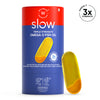 3x Strength Omega 3 Fish Oil
₹1,199
3x Strength Omega 3 Fish Oil
₹1,199
 Acidity Relief
₹616 – ₹1,233
Acidity Relief
₹616 – ₹1,233
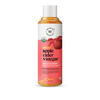 Apple Cider Vinegar
₹539 – ₹1,018
Apple Cider Vinegar
₹539 – ₹1,018
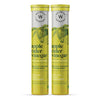 Apple Cider Vinegar with Garcinia Cambogia and Pomegranate
₹1,043 – ₹3,129
Apple Cider Vinegar with Garcinia Cambogia and Pomegranate
₹1,043 – ₹3,129
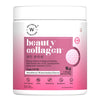 Beauty Collagen Strawberry Watermelon Flavour
₹1,799 – ₹7,196
Beauty Collagen Strawberry Watermelon Flavour
₹1,799 – ₹7,196
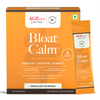 Bloat Calm | Bloating & Gas Relief | For Seniors | 15 Sachets
₹649 – ₹2,596
Bloat Calm | Bloating & Gas Relief | For Seniors | 15 Sachets
₹649 – ₹2,596
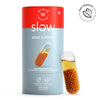 Bone Support Slow
₹1,357 – ₹2,658
Bone Support Slow
₹1,357 – ₹2,658
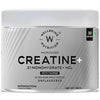 Creatine Monohydrate + HCL | 100g | 300mg Taurine | Unflavoured
₹584 – ₹1,168
Creatine Monohydrate + HCL | 100g | 300mg Taurine | Unflavoured
₹584 – ₹1,168
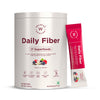 Daily Fiber | Vanilla Berry Flavour
₹872 – ₹1,708
Daily Fiber | Vanilla Berry Flavour
₹872 – ₹1,708
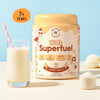 Kids Superfuel | Creamy Vanilla | Nutrition Mix
₹759 – ₹1,518
Kids Superfuel | Creamy Vanilla | Nutrition Mix
₹759 – ₹1,518
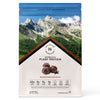 Plant Protein 22g | 500g | 3B CFU Probiotics | Belgian Dark Chocolate
₹1,709 – ₹3,238
Plant Protein 22g | 500g | 3B CFU Probiotics | Belgian Dark Chocolate
₹1,709 – ₹3,238