You’ve done everything right.
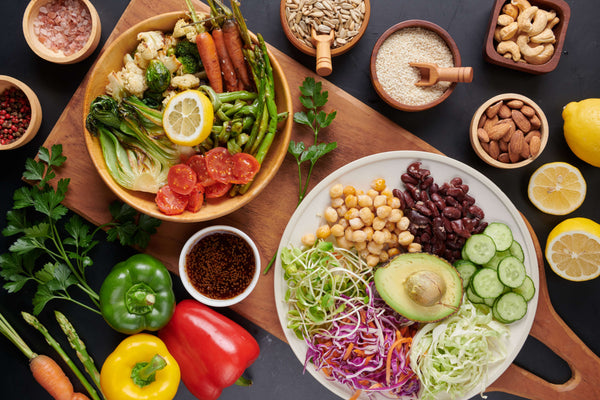
You choose organic fruits and vegetables, make sure your plate has enough protein and fiber, and include complex carbohydrates to keep your energy stable. Most days, your meals even resemble the balanced plate recommended by nutrition guidelines.
Yet something still feels off.
You eat well, but you’re still dealing with fatigue, low energy, or that sluggish feeling after meals.
While many factors can influence how we feel, researchers are beginning to explore another possibility: the presence of hidden toxins in food.
Even foods that look healthy on the surface can sometimes carry trace environmental contaminants. In today’s complex food system, small amounts of food toxins or chemicals in food can occasionally accompany the nutrients we expect.
Alongside your fruits, vegetables, grains, and proteins, there may be small amounts of substances such as:
-
pesticides in food
-
heavy metals in food
-
food additives and preservatives
-
artificial ingredients
-
and even microplastics in food
These substances can enter the food system through farming practices, environmental pollution, food processing, or packaging.
In most cases, the amounts are very small and regulated by food safety authorities. But growing research is examining how long-term, low-level exposure to chemicals in food may interact with processes like inflammation from diet, gut health and toxins, and overall metabolic health.
This doesn’t mean your food is unsafe. But it does highlight how modern food systems are more complex than simply counting calories or nutrients.
So if these hidden compounds are part of the picture, what exactly are they?

Let’s take a closer look at some of the most common “imposters” that can quietly make their way onto our plates.
1. Pesticides in Food

Modern agriculture relies on pesticides to protect crops from insects, fungi, and weeds. Without them, large-scale food production would be far more difficult.
However, traces of pesticides in food can sometimes remain on fruits and vegetables after harvesting. Washing and proper food preparation can remove some residues, but small amounts may still remain.
Researchers studying pesticides in food have explored how long-term exposure could influence biological processes such as oxidative stress from food and inflammation from diet. These mechanisms are also involved in many chronic health conditions (NCBI).
This doesn’t mean fruits and vegetables are unhealthy — far from it. But it highlights the importance of how food is grown and handled before it reaches our plates.
2. Heavy Metals in Food

Heavy metals such as lead, arsenic, cadmium, and mercury occur naturally in the environment. But industrial pollution, contaminated soil, and irrigation water can increase their presence in agricultural areas.
Plants absorb nutrients directly from soil and water. Along with those nutrients, they can also absorb trace amounts of heavy metals in food crops.
Some foods that researchers frequently study for heavy metals in food include:
-
rice and rice products
-
leafy vegetables
-
cocoa and chocolate
-
certain fish species
Excess exposure to heavy metals has been linked with oxidative stress from food contaminants and inflammation, processes that can influence metabolic health over time (NCBI).
Because children’s bodies are still developing, food safety authorities closely monitor these forms of food contamination, especially in foods commonly eaten by infants and children.
3. Food Additives and Preservatives

Not all imposters come from the environment. Some come from how food is manufactured.
Ultra-processed foods often contain food additives and preservatives that improve flavor, texture, and shelf life. These can include:
-
emulsifiers
-
artificial sweeteners
-
flavor enhancers
-
synthetic colors
These compounds fall under a broader category of artificial ingredients in food.
While many additives are approved as safe within certain limits, researchers are increasingly studying how some of these toxic food ingredients may interact with the gut microbiome.
The gut microbiome plays an important role in digestion, immunity, and metabolic health. Changes in microbial balance have been linked with gut health and toxins exposure, inflammation, and metabolic dysfunction (NCBI).
This is one reason diets high in ultra processed foods health risks are increasingly discussed in nutrition science.
These toxins in processed food may not always be obvious on the plate, but they can accumulate through dietary patterns over time.
4. Microplastics in Food

One of the newest concerns in food research is microplastics in food.
Microplastics are tiny plastic particles that form when larger plastics break down in the environment. Over time, they can enter soil, water, and eventually the food chain.
Scientists have detected microplastics in:
-
seafood
-
drinking water
-
sea salt
-
packaged foods
Some of these particles may also carry endocrine disruptors in food, chemicals that can interfere with hormonal signaling in the body.
Research into their health effects is still developing, but scientists are exploring how these particles might interact with digestion, inflammation, and cellular health (NCBI).
Why These Hidden Toxins Matter
Most of these exposures occur at very small levels, and food safety regulations exist to limit risk.
However, researchers are increasingly interested in how chronic exposure to multiple harmful ingredients in food may influence the body over time.
Many of these compounds share similar biological pathways, including:
-
oxidative stress from food contaminants
-
inflammation from diet
-
disruptions in gut health and toxins balance
Together, these processes may influence metabolic health, energy levels, and overall wellbeing.
This is especially relevant for children, whose developing bodies can be more sensitive to environmental food contamination.
So What Can You Do?
The goal isn’t to eliminate food groups or fear every ingredient on your plate. Instead, small everyday habits can help reduce exposure while supporting the body’s natural detoxification pathways.
Here are a few practical strategies.
Eat a diverse diet
Rotating foods reduces repeated exposure to the same contaminants and helps avoid reliance on a small number of toxic foods to avoid consuming frequently.
Wash produce thoroughly
This can help remove surface residues from fruits and vegetables.
Store food in glass or stainless steel containers
Glass and stainless steel containers reduce contact between food and plastic materials that may shed microscopic particles over time
Limit ultra-processed foods
Reducing intake of toxins in processed food and artificial ingredients in food may help lower exposure to certain additives.
Support gut health
Fiber-rich foods, colorful vegetables, and plant compounds help support the microbiome and digestive balance.
Choose whole foods when possible
A diet centered around whole foods supports clean nutrition and long-term metabolic health.
Reduce reliance on plastic food packaging
Choosing loose produce, bulk foods, or products packaged in paper, glass, or metal can help lower daily exposure to plastic particles.
These habits also provide nutrients that support the body’s natural liver detox support systems, which help process and eliminate environmental compounds.
The Bottom Line
Your plate might already look healthy.
But in today’s complex food environment, nutrients are not always the only things present in our meals. Alongside them, there may also be hidden toxins in food, ranging from environmental food toxins to artificial ingredients in food introduced during processing.
The solution isn’t perfection.
It’s awareness.
By focusing on diverse, minimally processed foods and balanced eating habits, we can support detoxification pathways, maintain metabolic health, and build a plate rooted in clean nutrition.
Because the healthiest plate isn’t just about what we add to it.
It’s also about what we minimize along the way.
FAQs
1. What are food toxins?
Food toxins refer to harmful or potentially harmful substances that can be present in food due to environmental contamination, agricultural practices, or food processing. These may include pesticides in food, heavy metals in food, artificial ingredients, food additives and preservatives, and even microplastics in food.
2. Are hidden toxins in food common?
Small amounts of hidden toxins in food can be found in many modern food systems due to environmental pollution, farming practices, and industrial food processing. However, most countries regulate acceptable levels to keep food safe for consumption.
3. What are the most common toxins in everyday foods?
Some of the most commonly studied toxins in everyday foods include:
-
Pesticides in food
-
Heavy metals in food such as lead or arsenic
-
Food additives and preservatives
-
Artificial ingredients in food
-
Microplastics in food
These compounds can enter the food chain through agriculture, water contamination, packaging, or food processing.
4. Can pesticides in food affect health?
Long-term exposure to pesticides in food is being studied for its potential role in processes like oxidative stress from food contaminants and inflammation from diet. Washing produce and choosing diverse foods may help reduce exposure.
5. Which foods may contain heavy metals?
Certain foods may contain trace amounts of heavy metals in food due to soil or water contamination. Foods often studied for heavy metals include:
-
rice and rice products
-
leafy vegetables
-
cocoa and chocolate
-
certain fish species
Food safety agencies regularly monitor these sources to limit food contamination.
6. Are food additives and preservatives harmful?
Many food additives and preservatives are approved by food safety authorities and considered safe within regulated limits. However, researchers are increasingly studying how some artificial ingredients in food may influence gut health and toxins balance, particularly when consumed frequently in ultra processed foods.
7. What are microplastics in food?
Microplastics in food are tiny plastic particles that enter the food chain through environmental pollution and plastic breakdown. They have been detected in seafood, drinking water, sea salt, and packaged foods. Research is ongoing to understand their long-term health effects.
8. Do toxins in processed food affect metabolic health?
Some studies suggest that repeated exposure to toxins in processed food, combined with diets high in ultra processed foods, may influence biological processes such as inflammation from diet, oxidative stress, and overall metabolic health.
9. How can I reduce exposure to harmful ingredients in food?
You can lower exposure to harmful ingredients in food by adopting simple dietary habits:
-
Wash fruits and vegetables thoroughly
-
Eat a diverse diet
-
Limit ultra-processed foods
-
Choose whole foods when possible
-
Support gut health with fiber-rich foods
These habits also support the body’s natural detoxification pathways.
10. Does the body naturally detox food toxins?
Yes. The body has natural detoxification pathways, mainly involving the liver, kidneys, and digestive system. Nutrients from whole foods, fiber, and plant compounds can support these systems and contribute to liver detox support and overall clean nutrition.

Recommended Products
 Whey Protein Isolate + Concentrate 24g | 1kg | 4B CFU Probiotics | Swiss Chocolate
₹5,199 – ₹10,398
Whey Protein Isolate + Concentrate 24g | 1kg | 4B CFU Probiotics | Swiss Chocolate
₹5,199 – ₹10,398
 Whey Protein Isolate + Concentrate 24g | 1kg | 4B CFU Probiotics | Mango Flavoured
₹4,399 – ₹8,798
Whey Protein Isolate + Concentrate 24g | 1kg | 4B CFU Probiotics | Mango Flavoured
₹4,399 – ₹8,798
 6x Strength Omega 3 Fish Oil
₹1,939 – ₹3,798
6x Strength Omega 3 Fish Oil
₹1,939 – ₹3,798
 Calm & Relaxation
₹649 – ₹1,298
Calm & Relaxation
₹649 – ₹1,298
 Daily Probiotic Slow
₹1,357 – ₹2,658
Daily Probiotic Slow
₹1,357 – ₹2,658
 Daily Greens
₹590
Daily Greens
₹590
 Glow Korean Marine Collagen Peptides with Liposomal Glutathione & Vitamin C | Valencia Orange Flavour | 250g
₹1,799 – ₹7,196
Glow Korean Marine Collagen Peptides with Liposomal Glutathione & Vitamin C | Valencia Orange Flavour | 250g
₹1,799 – ₹7,196
 Plant Protein 22g | 500g | 3B CFU Probiotics | Belgian Dark Chocolate
₹1,709 – ₹3,238
Plant Protein 22g | 500g | 3B CFU Probiotics | Belgian Dark Chocolate
₹1,709 – ₹3,238