If you've scrolled through Instagram, walked past a trendy café, or glanced at a wellness influencer's morning routine lately, you've seen it. That unmistakable, almost electric shade of green.
Matcha has officially gone from a niche tea ceremony staple to the wellness world's poster child. And in 2026, it's not just popular, it's everywhere. From oat milk lattes to skincare serums, matcha has cemented itself as the go-to ingredient for anyone chasing calm energy, glowing skin, and that elusive feeling of having your life together.
What Is Matcha?

Matcha is finely ground powder made from specially grown green tea leaves, specifically from the Camellia sinensis plant. But here's where it gets interesting.
Unlike regular green tea where you steep the leaves and toss them out, with matcha you're consuming the entire leaf in powdered form. That means you're getting a concentrated dose of everything the leaf has to offer.
The cultivation process is what makes matcha special. About three weeks before harvest, the tea plants are covered with shade cloths. This shading process triggers the plants to produce more chlorophyll and boosts levels of certain compounds, particularly L-theanine, caffeine, and powerful antioxidants called catechins. (NIH)
Why it matters: Matcha packs up to 137 times more antioxidants than regular green tea, with polyphenols making up roughly 30% of its dry weight. The star player? EGCG (epigallocatechin-3-gallate), the most abundant and active catechin in matcha, known for its anti-inflammatory and protective properties. (NIH)
Science Behind Matcha
Calm Energy Without the Crash

One of matcha's biggest selling points is its unique caffeine profile. While an 8-ounce cup contains more caffeine than regular green tea, it's paired with L-theanine—an amino acid that enhances concentration and alertness while promoting a sense of calm. This combo delivers sustained energy without the jitters or afternoon crash that coffee often brings. It's why Gen Z is ditching traditional espresso drinks for matcha. They want energy that doesn't feel like a roller coaster.
Heart Health Support

Research shows promise for cardiovascular benefits. Studies have found that catechins from green tea can help lower blood pressure and LDL cholesterol. One analysis demonstrated that green tea catechins significantly reduced fasting blood glucose levels, which is critical for metabolic health. (NIH)
Weight Management and Metabolism

The caffeine-catechin combination appears to support metabolic function. Research indicates that caffeine may promote weight and fat loss while facilitating BMI reduction. Plus, because you're consuming the whole leaf, matcha's water-insoluble fibers contribute additional health benefits you don't get from steeped tea. (NIH)
Cognitive Function and Sleep Quality

This is where things get really interesting. A 12-month randomized controlled study found that regular matcha consumption enhanced emotional perception and sleep quality in older adults experiencing cognitive decline. The combination of EGCG, theanine, and caffeine appears to work synergistically: EGCG for its neuroprotective effects, theanine for stress reduction and sleep support, and caffeine for alertness. Many wellness enthusiasts are now pairing matcha with collagen supplements to support both cognitive function and overall vitality. (NIH)
Antioxidant Powerhouse

Matcha contains an exceptional amount of rutin, a bioflavonoid with anti-inflammatory properties. One study found matcha contains nearly 2,000 mg/L of rutin, dramatically higher than even buckwheat, which is typically considered one of the best dietary sources. These antioxidants combat oxidative stress and may help protect against premature aging and chronic disease. This is why you're seeing matcha paired with collagen in beauty-focused wellness products, combining antioxidant protection with skin support. (NIH)
Why 2026 Is Matcha's Moment
Matcha's rise isn't just cultural happenstance; it's a convergence of plant biochemistry, neuroscience, and shifting health priorities. The same compounds that helped Buddhist monks maintain alert meditation for hours are now being validated by modern research, and people are taking notice.
Three forces driving the trend:
The Wellness Shift

Consumers want functional, not just healthy.
Matcha delivers:
-
Clean, sustained energy without crashes
-
Mental clarity and focus support
-
Antioxidant protection for skin and overall health
-
Metabolic benefits
-
Multi-tasking wellness in one ingredient
Visual Culture

That vivid green hue is Instagram gold. Matcha cloud lattes, vanilla cold foam layers, and minimalist ceramic bowls dominate wellness feeds. The ritual of whisking and pouring has become visual storytelling, a language of calm in a chaotic world.
The Anti-Coffee Movement

Gen Z and younger millennials are seeking alternatives that support their wellness goals without the downsides. No anxiety, no energy crashes, no sleep disruption. Matcha delivers balanced energy with added health benefits.
From Ceremonial to Everyday
What's particularly fascinating is how matcha has evolved from a traditional Japanese tea ceremony practice into a versatile wellness ingredient. You'll now find it in:
-
Premium café beverages: Ceremonial-grade lattes are the new specialty coffee
-
Functional foods: Matcha tiramisu, croissants, ice cream
-
Ready-to-drink bottles: For grab-and-go wellness
-
Beauty products: For skin health and antioxidant benefits
-
Protein powders and supplement blends: Often combined with adaptogens or collagen for enhanced wellness benefits
The trend has also sparked demand for transparency and quality. Consumers are learning the difference between ceremonial-grade (for drinking) and culinary-grade (for baking) matcha. They're asking about origin, with Uji in Kyoto and Nishio in Aichi being prized regions, and seeking out single-origin, first-harvest products from family farms.
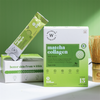
They're upgrading their Matcha experiences with clean, premium quality Matcha Collagen that blends ceremonial-grade matcha with highly bioavailable collagen peptides. This pairing brings together antioxidant support and calm, sustained energy with structural nutrients that support skin health from within.

The result is a modern wellness ritual that connects daily performance, beauty, and long-term vitality in a single, considered format.
The Bottom Line
Matcha in 2026 represents more than a beverage trend, it's a case study in how traditional botanical knowledge meets modern nutritional science. The synergistic effect of L-theanine and caffeine creates what researchers call "calm alertness," a neurochemical state that's increasingly valuable in our overstimulated world. The catechin EGCG, present in concentrations far higher than regular green tea, offers cellular protection that extends from metabolic health to skin integrity.
So whether you're whisking up a traditional bowl, ordering an oat milk latte, or adding a scoop to your morning smoothie, you're engaging with a plant compound that's been refined through centuries of agricultural innovation and is now being validated by contemporary research. That vibrant green powder isn't just aesthetically pleasing, it's functionally distinctive. And in 2026, function is everything.
FAQs
1. What's the difference between matcha and regular green tea?
Matcha is made from shade-grown tea leaves that are stone-ground into a fine powder, meaning you consume the entire leaf. Regular green tea is steeped and the leaves are discarded. This makes matcha significantly more concentrated, with roughly 10 times the antioxidants, more caffeine, and higher levels of L-theanine.
2. How much caffeine is in matcha compared to coffee?
A typical serving of matcha contains approximately 70mg of caffeine, compared to 95mg in an 8oz cup of coffee. The experience is quite different though. Matcha's caffeine is released slowly over 4-6 hours thanks to L-theanine, while coffee's caffeine hits faster and harder, often leading to jitters and crashes.
3. What does "ceremonial grade" vs "culinary grade" actually mean?
Ceremonial grade is the highest quality matcha, made from the youngest tea leaves with a delicate, naturally sweet flavor perfect for drinking. Culinary grade comes from slightly older leaves with a more robust, sometimes bitter taste that holds up well in recipes. Use ceremonial for drinking, culinary for baking and cooking.
4. Can I pair matcha with collagen, protein powder, or other supplements?
Absolutely. Matcha pairs exceptionally well with collagen peptides, combining antioxidant protection with structural protein support. It also works beautifully with protein powder, adaptogenic mushrooms like lion's mane, and MCT oil. Just mix your matcha with hot water first to create a paste, then add your other ingredients to avoid clumping.
5. Will matcha stain my teeth like coffee does?
Matcha can cause some staining but generally less than coffee or black tea. Drink it relatively quickly rather than sipping for hours, rinse your mouth with water afterward, and maintain good dental hygiene. Some people use a straw to minimize contact with front teeth.
6. How do I know if I'm buying quality matcha?
Look for vibrant jade-green color, fine texture like baby powder, and Japanese origin information. It should smell fresh and slightly sweet. Quality matcha will taste creamy and umami-rich with natural sweetness rather than harsh bitterness. Expect to pay $25-40 for 30g of ceremonial-grade matcha.
7. Why is good matcha so expensive?
Premium matcha production is incredibly labor-intensive. Tea plants are carefully shaded for weeks, only the youngest leaves are hand-picked, stems and veins are removed by hand, and the leaves are stone-ground slowly to prevent heat damage. It takes about an hour to produce just 30 grams. The best matcha comes from specific Japanese regions with centuries of cultivation expertise.
8. Can I drink matcha on an empty stomach?
Most people can, but some find that matcha's caffeine and tannins cause mild nausea on an empty stomach. If you're sensitive, have it with a small snack or after breakfast. Start slowly and see how your body responds.
9. How should I store matcha to keep it fresh?
Store matcha in an airtight container in the refrigerator or freezer, away from moisture and strong odors. Keep only a small amount out for daily use. Properly stored, it stays fresh for several months, but it's best consumed within 1-2 months of opening for optimal quality.