For years, creatine has had a bit of a gym-bro reputation. Think heavy lifting, bigger muscles and bodybuilding. But here is something worth knowing: creatine is not exclusively a muscle-building supplement, and its benefits are not limited to men.
In fact, creatine plays an important role in how the body produces and uses energy. From supporting strength and exercise performance to its emerging role in brain health, there is more to this supplement than meets the eye.
So, if you have been wondering whether creatine is worth adding to your wellness routine, let's understand what it actually does, its benefits for women, how much you need and what to watch out for.
First, what exactly is creatine?
Creatine is a naturally occurring compound made from amino acids, primarily in the liver and kidneys. Your body produces it naturally, while foods such as red meat and seafood provide additional amounts.
Most of your body's creatine is stored in skeletal muscles, with smaller amounts found in the brain and other tissues.
Its primary job? Helping regenerate ATP (adenosine triphosphate), the body's immediate energy currency. This becomes particularly important during short bursts of high-intensity activity, such as lifting weights, sprinting or performing resistance exercises.
This is also why creatine has traditionally been associated with muscle growth and athletic performance.
But does that mean women have nothing to gain from it? Not quite.
Breaking the myth: Creatine is not just for men
One of the biggest misconceptions about creatine is that taking it automatically means building bulky muscles.
Let's set that straight. Creatine does not independently make you bulky. Muscle development depends on several factors, including resistance training, nutrition, genetics and overall energy intake.
Women can benefit from creatine too, particularly when it comes to supporting physical performance, muscle function and potentially other aspects of health.
Here are some benefits worth knowing about.
6 potential benefits of creatine for women
1. Supports strength and muscle performance
Creatine helps replenish ATP during short, intense activities, allowing muscles to sustain repeated efforts. This can support strength, power and training performance.
Whether you enjoy weight training, Pilates with resistance work or high-intensity workouts, creatine can complement a consistent exercise routine. [NIH]
2. Helps support lean muscle development
Creatine supplementation, particularly alongside resistance training, can help improve lean body mass and muscle strength.
And no, this does not mean you will suddenly develop a bulky physique. Creatine supports the body's ability to perform during training, while muscle development depends on your overall training and nutrition. [NIH]
3. May support cognitive performance
Here is where creatine gets particularly interesting.
Your brain is an energy-demanding organ, and it also uses creatine to support cellular energy production. Emerging research suggests that creatine supplementation may support certain aspects of cognitive performance, including memory, attention and information processing.
However, the evidence is still developing, and creatine should not be considered a proven focus or memory enhancer. [NIH]
4. May help support energy metabolism
Ever wondered why creatine is associated with better workout performance?
It comes down to ATP regeneration. By helping replenish this immediate energy source, creatine supports the body's ability to perform repeated high-intensity movements.
This makes it particularly relevant for women who engage in strength training, sprinting and other demanding physical activities. [NIH]
5. May have a role in women's health during hormonal transitions
Creatine is gaining attention in research exploring women's health across different life stages, including menstruation, perimenopause and menopause.
Hormonal changes can influence muscle function, body composition and physical performance. Researchers are exploring whether creatine supplementation could help support these aspects of health.
However, evidence for specific benefits on menstrual symptoms, menopause symptoms and hormonal balance remains limited. It should not be considered a hormonal treatment. [NIH]

6. May support muscle health as women age
Maintaining muscle strength becomes increasingly important with age. Resistance training, adequate protein intake and appropriate nutrition all contribute to preserving muscle function.
Creatine may offer additional support when combined with resistance exercise, making it an interesting nutritional consideration for women approaching and navigating menopause. [NIH]
How much creatine should women take daily?
When it comes to creatine, consistency matters more than complicated supplementation routines.
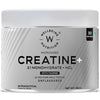
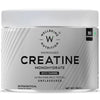
A practical daily intake for this article is 3 g of creatine monohydrate.
There is no officially established RDA for creatine, and individual requirements can vary. While sports nutrition research commonly uses maintenance doses of 3 to 5 g daily, 3 g is a reasonable starting approach for healthy adults.
A few things to remember:
-
Choose creatine monohydrate: It is the most extensively researched form of creatine.
-
Skip loading if you prefer: A loading phase is not essential. Daily supplementation gradually increases muscle creatine stores.
-
Stay consistent: Creatine works through gradual increases in muscle stores, not an immediate energy boost.
-
Stay hydrated: Maintain adequate fluid intake, particularly when exercising.
You may also come across creatine HCL, but there is currently insufficient evidence to establish that it is superior to creatine monohydrate. [NIH]
Is creatine safe for women? Potential side effects to know
For most healthy adults, creatine monohydrate is generally well tolerated when taken at recommended doses. However, understanding potential side effects is important.
1. Temporary water-weight gain: Creatine increases water retention within muscle cells. This may cause a slight increase in body weight, particularly when starting supplementation. It is not the same as gaining body fat.
2. Digestive discomfort: Some people experience bloating, nausea or diarrhoea, particularly with larger doses. Sticking to a moderate daily intake may help.
3. Kidney health considerations: Current evidence does not indicate kidney damage from recommended creatine use in healthy adults. However, creatine can increase blood creatinine levels, which may affect how kidney function tests are interpreted. Anyone with existing kidney disease or concerns about kidney function should consult a healthcare professional before supplementation.
4. Excessive supplementation: Taking more than the recommended amount does not necessarily provide additional benefits and may increase the likelihood of digestive discomfort.
5. Product quality: Choose supplements with transparent ingredient lists and independent quality testing. Unnecessary stimulants, excessive added ingredients and poorly verified product quality can make it harder to assess what you are consuming.
Pregnant or breastfeeding women should seek medical advice before using creatine, as safety data in these groups remains insufficient.
Pro tip: Pair creatine with your protein intake
If strength, recovery and muscle development are your goals, consider combining creatine with an adequate daily protein intake.
You can pair your creatine powder with whey protein or vegan protein powder, depending on your dietary preferences. While creatine supports high-intensity exercise performance, protein supplies amino acids required for muscle repair and growth.
They serve different nutritional purposes, making them complementary additions to a well-planned fitness routine.
The takeaway
Creatine is not just for men, bodybuilding or building bigger muscles. It has a well-established role in exercise performance, with emerging research exploring its potential benefits for women's cognitive and long-term muscle health.
The key is to choose a well-researched form, follow an appropriate dosage and make supplementation part of a balanced nutrition and exercise routine.
Key takeaways
-
Creatine supports ATP production, helping fuel short, high-intensity activities.
-
Creatine supplementation can support strength and lean muscle development alongside resistance training.
-
Emerging research suggests potential cognitive benefits, although more evidence is needed.
-
A practical daily intake is 3 g of creatine monohydrate, with no loading phase necessary.
-
Healthy adults generally tolerate creatine well, but those with kidney conditions or who are pregnant or breastfeeding should seek medical advice.
FAQs
1. What does creatine do for women?
Creatine helps replenish ATP, supporting muscle energy, strength and high-intensity exercise performance. Emerging research also explores its potential role in cognitive function.
2. Is creatine safe for women?
Creatine monohydrate is generally considered safe for healthy adults when taken at recommended doses. Women with underlying kidney conditions should seek medical advice first.
3. Does creatine make women bulky?
No. Creatine does not automatically cause bulky muscles. Muscle development depends on resistance training, nutrition, genetics and other individual factors.
4. How much creatine should a woman take daily?
A practical intake is 3 g of creatine monohydrate daily. There is no established RDA for creatine, and individual requirements may vary.
5. When is the best time to take creatine?
Creatine can be taken at any convenient time of the day. Consistent daily intake is more important than precise timing.
6. Can women take creatine without working out?
Yes, but its most established benefits relate to exercise performance, particularly alongside resistance training. Supplementation does not replace physical activity.
7. Does creatine cause weight gain in women?
It can cause a temporary increase in body weight due to increased water retention within muscle cells. This is not the same as gaining body fat.
8. Which is better for women, creatine monohydrate or creatine HCL?
Creatine monohydrate is the preferred choice because it has substantially more research supporting its effectiveness and safety. Creatine HCL has not demonstrated clear superiority.
9. Can women take creatine with protein powder?
Yes. Creatine can be combined with whey or vegan protein powder. Both support different aspects of exercise nutrition, making them complementary.
10. Can creatine affect kidney function?
Creatine may increase serum creatinine, a marker used in kidney function tests, without necessarily indicating kidney damage. People with existing kidney disease should consult their healthcare professional before supplementation.