From isabgol mixed into a glass of water to a spoonful added to a bedtime/ morning routine, psyllium husk has been a familiar part of digestive care in Indian households for generations. And with good reason. It is one of the better-studied fiber supplements for supporting bowel regularity.
But here is something worth knowing: not all fiber works in the same way. Psyllium husk does more than simply add bulk to your diet. When mixed with water, it forms a gel that holds moisture and helps regulate stool consistency.
Whether you are dealing with occasional constipation, trying to improve your daily fiber intake or simply looking after your gut health, understanding how psyllium works can help you use it more effectively.
Let's explore the science behind psyllium husk benefits, how to use psyllium husk powder and the potential side effects to keep in mind.
What is psyllium husk?
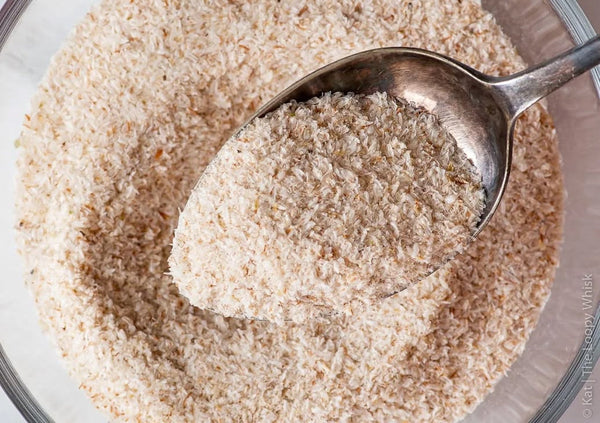
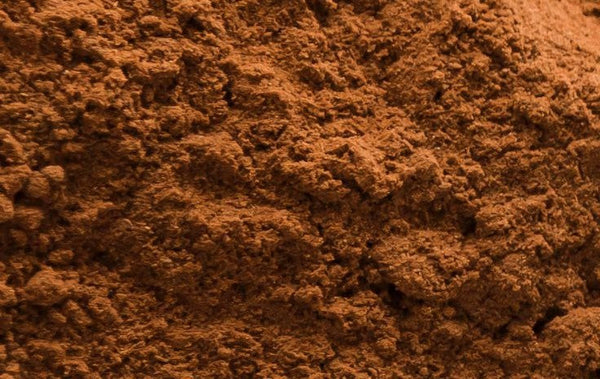
Psyllium husk is the outer coating of the seeds of Plantago ovata, a plant cultivated in India and other regions. Commonly known as isabgol, it is rich in soluble, gel-forming fiber.
When psyllium comes into contact with water, it absorbs it and forms a viscous gel. This gel helps retain water in the stool, making hard stools softer and easier to pass. It can also add bulk to stool, supporting more regular bowel movements.
Unlike some fibers that are readily fermented by gut bacteria, psyllium is relatively resistant to fermentation. This helps it retain its water-holding properties as it moves through the digestive tract. [NIH]
6 science-backed psyllium husk benefits
1. Helps relieve constipation
One of the most established psyllium husk powder benefits is its role in relieving constipation. By absorbing water and increasing stool bulk, psyllium can help soften hard stools, improve bowel movement frequency and reduce straining. [NIH]
2. Supports healthy stool consistency
Constipation is not always about how often you use the toilet. Hard stools and straining matter, too. Psyllium's water-holding gel helps improve stool consistency, making bowel movements easier to pass. [NIH]
3. May help manage cholesterol levels
Psyllium's viscous gel can bind bile acids in the digestive tract, increasing their excretion. The liver then uses cholesterol to produce more bile acids, which can contribute to lower LDL cholesterol levels.
Psyllium may therefore be a useful addition to a heart-conscious diet, although it does not replace prescribed cholesterol-lowering treatment. [NIH]
4. Helps support blood glucose management
The gel formed by psyllium can slow the absorption of nutrients, including carbohydrates, and may reduce the rise in blood glucose after meals. Research also suggests potential improvements in some measures of long-term blood glucose control.
People with diabetes should discuss its use with their healthcare professional, particularly if they take glucose-lowering medication. [NIH]
5. Helps you feel fuller after meals
Because psyllium absorbs water and forms a viscous gel, it can increase the volume and viscosity of material in the digestive tract. This may help promote a feeling of fullness in some people.
However, feeling fuller does not automatically translate into weight loss. The effect depends on overall dietary intake, activity and other individual factors. [NIH]
6. Supports everyday digestive regularity
Adequate fiber intake is an important part of maintaining normal bowel function. Psyllium can help bridge the gap when your diet does not provide enough fiber, particularly if your meals are low in whole grains, pulses, fruits and vegetables.
It works best alongside a varied, fiber-rich diet, adequate fluid intake and regular physical activity. [NIH]

How to use psyllium husk powder
Knowing how to use psyllium husk correctly matters just as much as choosing the right fiber supplement. Psyllium needs sufficient liquid to swell safely and form its gel.
-
Start with the recommended serving: Follow the product label or your healthcare professional's advice. If you are new to fiber supplements, start conservatively.
-
Mix it with enough water: Follow the label's mixing instructions. Many oral psyllium preparations require at least 240 ml of liquid per dose.
-
Drink it immediately: Psyllium thickens after mixing, so do not leave it standing until it immediately: Psyllium thickens after mixing, so don't comes difficult to swallow.
-
Stay hydrated throughout the day: Adequate fluid intake supports normal bowel function and helps you use fiber safely.
-
Be consistent: Give your body time to adjust, and increase intake gradually if appropriate.
Avoid swallowing dry psyllium powder. It can swell before reaching the stomach and create a choking risk.
Psyllium husk side effects: What should you know?
Psyllium is generally well tolerated when used correctly, but it can cause side effects, particularly when intake increases too quickly.
Common psyllium husk side effects include:
-
Gas and bloating, especially during the initial adjustment period.
-
Abdominal discomfort or cramps.
-
Changes in bowel habits if the dose is unsuitable.
More serious risks can arise if psyllium is taken without enough liquid. It can swell and cause choking or an obstruction, particularly in people who have difficulty swallowing or an intestinal narrowing.
Psyllium can also affect how certain medicines are absorbed. Ask your doctor or pharmacist how to space it from your medications. Seek medical advice before using it if you have persistent abdominal pain, unexplained rectal bleeding, difficulty swallowing or a history of bowel obstruction. Severe pain, vomiting or inability to pass stool or gas requires prompt medical assessment.
Simple habits for a healthier gut
Psyllium can support your fiber intake, but your digestive health depends on more than one ingredient. Try to:
-
Eat a variety of fiber-rich foods, including lentils, beans, oats, vegetables and fruit.
-
Drink fluids regularly throughout the day.
-
Move daily, even if that means taking short walks between work commitments.
-
Maintain regular meal times where possible.
-
Increase fiber gradually rather than making several sudden dietary changes.
If constipation persists despite these changes, consult a healthcare professional to identify the underlying cause.
Conclusion
Psyllium husk is a practical, well-studied source of soluble fiber that can help support bowel regularity, improve stool consistency and contribute to cholesterol and blood glucose management.
Use it correctly, stay hydrated and make fiber-rich foods part of your everyday diet. Consistent habits, rather than relying on a single ingredient, are what support long-term digestive health.
Key takeaways
-
Psyllium husk benefits include supporting bowel regularity, softening stool and reducing straining.
-
Its water-holding gel can also help support healthy LDL cholesterol and blood glucose levels.
-
For constipation, take psyllium with sufficient liquid and follow the product's dosage instructions.
-
Potential side effects include gas and bloating. Taking it without enough liquid can cause serious complications.
-
A fibre-rich diet, adequate hydration and regular movement remain essential for long-term gut health.
FAQs
1. What are the main benefits of psyllium husk?
Psyllium can help relieve constipation, soften stools, improve bowel regularity and support healthy cholesterol and blood glucose levels. It may also promote fullness.
2. How to use psyllium husk for constipation?
Mix the recommended serving with the amount of liquid specified on the label and drink it promptly. Maintain adequate fluid intake and seek medical advice if constipation persists.
3. How to use psyllium husk for weight loss?
Psyllium may help you feel fuller, but it is not a weight-loss treatment. If you choose to use it, follow the product directions and combine it with balanced meals and regular physical activity.
4. What is the best time to take psyllium husk?
There is no universally best time. Follow the product directions and consider your reason for using it. If you take medication, ask your healthcare professional about appropriate timing.
5. Can I take psyllium husk every day?
Daily use may be appropriate for some people when taken according to product directions. If you need it regularly for constipation, discuss persistent symptoms and long-term use with a healthcare professional.
6. What are the side effects of isabgol psyllium husk?
Possible side effects include gas, bloating and abdominal discomfort. Taking it without sufficient liquid can cause choking or intestinal obstruction.
7. Does psyllium husk help with bloating?
Psyllium may help some people whose digestive symptoms are related to constipation. However, it can initially increase gas and bloating, particularly when fibre intake rises too quickly.
8. Can psyllium husk help lower cholesterol?
Yes. Its viscous soluble fibre can help lower LDL cholesterol by increasing bile acid excretion. It should complement, not replace, prescribed treatment.
9. Is psyllium husk safe to take before bed?
It may be suitable for some people, but the timing depends on the product instructions and individual circumstances. Always mix it with sufficient liquid and avoid taking it immediately before lying down if that increases swallowing concerns.
10. Can psyllium husk be taken with other supplements or medicines?
It can affect the absorption of certain medicines. Check with a doctor or pharmacist about timing, especially if you take prescription medication or several supplements.