Healthy eating sounds simple in theory. Eat more vegetables, get enough protein, drink more water, and cut back on ultra-processed foods. But putting these habits into practice is another story.
Between demanding work schedules, long commutes, deadlines, family responsibilities and the occasional sleepless night, nutrition can quickly take a back seat. Breakfast becomes a cup of coffee, lunch is whatever is available, and dinner arrives when you are too tired to cook. When convenience takes priority, food choices often become less about nourishment and more about getting through the day.
The interesting part? You do not necessarily need a complete lifestyle overhaul to change this pattern.
A few thoughtful food swaps, repeated consistently, can help you build a more balanced diet without giving up your favourite foods or spending hours meal prepping. That is exactly what this 7-day healthy eating challenge is about.
Instead of crash diets, restrictive meal plans or unrealistic rules, we are breaking healthy eating into seven manageable steps. Each day introduces one practical change that you can continue long after the challenge ends.
Why your everyday food choices matter
Your diet influences more than your weight. The foods you eat regularly help determine whether you get the nutrients your body needs to support energy metabolism, digestion, muscle maintenance, immune function and overall health.
A diet that consistently lacks variety, fiber, protein and essential nutrients may contribute to several health concerns, although these outcomes also depend on genetics, physical activity, sleep and other lifestyle factors.
Potential consequences of a consistently unbalanced diet include:
-
Low energy and fatigue: Inadequate energy intake or deficiencies in nutrients such as iron and vitamin B12 can contribute to tiredness.
-
Digestive discomfort: Low fiber intake can contribute to constipation, while sudden dietary changes may temporarily increase gas and bloating.
-
Difficulty maintaining muscle: Consistently inadequate protein intake, particularly alongside insufficient physical activity, can make muscle maintenance more difficult.
-
Less favourable metabolic health: Diets high in excess calories, sodium and added sugars, combined with other risk factors, can increase the likelihood of developing certain chronic conditions.
-
Nutrient inadequacies: Limited dietary variety can make it harder to obtain enough vitamins, minerals and other essential nutrients.
On the other hand, a balanced eating pattern that includes vegetables, fruit, whole grains, protein-rich foods, healthy fats and adequate fluids helps support normal bodily functions and long-term health.
The goal is not to label individual foods as good or bad. It is to make your overall eating pattern more nourishing.
Why small food swaps work better than crash diets
Crash diets often promise rapid results through severe calorie restriction or the elimination of entire food groups. While some restrictive approaches can produce short-term weight loss, they may be difficult to sustain and can make it harder to meet nutritional needs.
A healthy eating challenge takes a different approach. Rather than changing everything overnight, you introduce one achievable habit at a time.
Think of it as building a routine that works on your busiest days, not just on the days when you have time to plan every meal.
Your 7-day healthy eating challenge, one simple swap at a time
You do not need to follow a rigid meal plan for this healthy diet challenge. Keep your usual meals, make the suggested changes and adjust portions to your appetite, activity levels and nutritional needs.
Day 1: Add more fiber to your meals
Today's swap: Refined, low-fiber choices for fiber-rich foods.
Fiber is an excellent starting point because it supports bowel regularity, contributes to fullness and helps maintain normal digestive function. Yet, many people do not get enough of it.
Try these swaps:
-
Replace sugary breakfast cereal with oats topped with fruit and chia seeds.
-
Add a serving of vegetables to lunch and dinner.
-
Swap a refined-grain snack for roasted chana, fruit or a handful of nuts.
What you may notice: More regular bowel movements and improved fullness over time. Increase fiber gradually and drink enough fluids to minimise gas and bloating.
Daily target: At least 25 g of fiber for most adults.
Day 2: Include a protein source in every main meal
Today's swap: Carb-heavy meals for meals that combine carbohydrates with protein.
Protein supports muscle repair and maintenance, the production of enzymes and hormones, and many other essential functions. A breakfast of just toast or biscuits may not provide much protein.
Try these swaps:
-
Add eggs, paneer or Greek yoghurt to breakfast.
-
Pair rice or roti with dal, rajma, chole, tofu, fish or chicken.
-
Keep roasted chana, yoghurt or boiled eggs available for busy afternoons.
What you may notice: Better meal satisfaction and an easier time meeting your daily protein needs.
Daily target: Protein requirements vary with body weight, activity and health. For a healthy adult, around 0.8 g per kg of body weight daily is a commonly used baseline, while people who exercise regularly may need more.
Day 3: Make your snacks work harder for you
Today's swap: Snacks that provide mostly added sugar for options with fiber, protein or healthy fats.
You do not have to stop eating snacks. The idea is to choose options that contribute useful nutrients rather than simply filling a gap between meals.
Try these swaps:
-
Replace biscuits with fruit and nuts.
-
Choose plain yoghurt with berries or another seasonal fruit instead of a sugary dessert yoghurt.
-
Swap fried packaged snacks for roasted makhana or chana more often.
What you may notice: More satisfying snacks and greater variety in your daily nutrient intake.
Remember, packaged snacks can still fit into a balanced diet. Focus on your overall eating pattern, not perfection.
Day 4: Rethink your drinks
Today's swap: Sugary drinks for water or unsweetened alternatives more often.
Sweetened coffees, soft drinks and packaged beverages can add substantial amounts of sugar without contributing much to fullness. Replacing them with water is a practical way to reduce free sugar intake.
Try these swaps:
-
Choose water instead of a soft drink with lunch.
-
Try unsweetened tea or coffee instead of a heavily sweetened version.
-
Keep a water bottle within reach during work hours.
What you may notice: Better hydration if you were previously drinking too little, alongside a reduction in calories from sugary drinks.
There is no single water target suitable for everyone. Needs vary with climate, activity, diet and health. Drink regularly throughout the day and increase fluids when conditions require it.
Day 5: Upgrade your carbohydrates, do not eliminate them
Today's swap: Refined grains for whole grains more often.
Carbohydrates are an important energy source. You do not need to eliminate rice, roti or bread to eat well. Instead, focus on the quality of your carbohydrate sources and what you pair them with.

What you may notice: A higher fiber intake and meals that provide a broader range of nutrients.
Whole grains are not automatically lower in calories than refined grains. Their main advantage is that they generally retain more fiber and other naturally occurring nutrients.
Day 6: Make healthy eating easier on busy days
Today's swap: Relying entirely on last-minute food choices for a little planning ahead.
A healthy lifestyle challenge should account for your actual schedule. If you work long hours, keeping convenient options available may be more realistic than preparing elaborate meals every day.
Try these swaps:
-
Keep boiled eggs, cooked dal or chopped vegetables ready.
-
Stock frozen vegetables, canned beans and plain yoghurt for quick meals.
-
Prepare a simple lunch the night before.
-
Keep a balanced snack at your desk for particularly busy days.
What you may notice: Less dependence on whatever food happens to be available and greater consistency with your eating habits.
Convenience foods are not inherently unhealthy. Frozen vegetables, plain yoghurt, canned legumes and other minimally processed options can make balanced eating easier.
Day 7: Build a balanced plate
Today's swap: Building meals around just one food group for including a variety of foods.
Use this simple framework for lunch and dinner:
-
Half the plate: Vegetables and salad, where practical.
-
One-quarter: Protein-rich foods such as dal, beans, paneer, tofu, eggs, fish or chicken.
-
One-quarter: Grains or other carbohydrate sources such as roti, rice or millets.
-
Alongside: A moderate amount of healthy fats, such as nuts, seeds or suitable cooking oils.
This is a flexible guide, not a strict formula. Your portions may need to change depending on your energy requirements, activity and health.
What you may notice: A more balanced mix of fiber, protein, carbohydrates and other nutrients across your meals.
The bigger takeaway from this 7-day healthy eating challenge is that you now have seven habits you can continue practising together.
What about calories, supplements and other healthy habits?
How many calories should you eat daily?
There is no universal calorie target. Your requirements depend on age, body size, sex, activity level, health and whether you want to maintain, gain or lose weight.
A personalised calorie target is more useful than automatically following a 1,200-calorie diet or another restrictive plan. Your intake should provide enough energy and nutrients to support your needs.
Can supplements fit into a healthy eating routine?
Yes, supplements can be useful when they address a genuine nutritional need or help you meet a practical dietary goal. They should complement, not replace, a balanced diet.
-
Protein powder: A convenient option when meals alone do not provide enough protein.
-
Whey protein: A dairy-derived protein containing all nine essential amino acids.
-
Whey isolate: A more highly filtered form of whey that generally contains a higher proportion of protein and less lactose and fat than whey concentrate, although the exact composition varies by product.
-
Fiber supplement: Psyllium husk and other fiber supplements can help increase fiber intake when food alone is insufficient. Increase intake gradually and follow the product's directions, including fluid requirements.
-
Probiotics: Specific strains may help with certain digestive concerns, but benefits depend on the strain, dose and intended use. They are not necessary for everyone.
If you have a medical condition, take medication or are pregnant, seek appropriate professional advice before introducing supplements.
Three habits to carry beyond the challenge
Move throughout the day
Break up prolonged sitting with short walks, take the stairs when practical and find physical activities you enjoy. Regular movement supports overall health alongside good nutrition.
Protect your sleep routine
Most adults should aim for at least seven hours of sleep per night. A consistent bedtime and wake-up time can help support sleep quality and everyday functioning.
Plan for your busiest days
Keep a few easy meals and snacks available. A little preparation can make it easier to follow through on healthy intentions when work gets demanding.
Key takeaways
-
A healthy eating challenge does not require extreme restrictions or eliminating entire food groups.
-
Increasing fiber, including protein at meals and choosing whole grains more often are practical starting points.
-
Your calorie, protein and fluid requirements depend on individual needs, not a one-size-fits-all target.
-
Protein powder, whey isolate, fiber supplements and probiotics can be useful in specific circumstances, but they are not substitutes for a balanced diet.
-
Consistency matters more than completing seven perfect days. Keep the habits that work for your schedule and build on them gradually.
FAQs
1. What is a 7-day healthy eating challenge?
It is a short, structured plan that introduces practical nutrition habits over seven days, such as eating more fiber, including protein at meals and reducing sugary drinks. The aim is to establish sustainable habits, not achieve dramatic results in a week.
2. Can I improve my diet in seven days?
You can begin improving the quality and variety of your diet within seven days. Some people may notice changes in bowel regularity or meal satisfaction, but long-term health outcomes depend on maintaining healthy habits over time.
3. What should I eat every day for a healthy diet?
Include a variety of vegetables, fruits, whole grains, pulses, protein-rich foods, nuts, seeds and suitable sources of healthy fats. Your exact portions depend on your individual energy and nutrient requirements.
4. How much protein do I need daily?
A commonly used baseline for healthy adults is around 0.8 g of protein per kg of body weight daily. Requirements may be higher for people who exercise regularly, older adults in certain circumstances and those recovering from illness.
5. How much fiber should I eat per day?
WHO recommends at least 25 g of naturally occurring dietary fiber daily for adults and older children above 10 years. Increase your intake gradually if you currently eat very little fiber.
6. Can I lose weight with a healthy eating challenge?
You may lose weight if your eating pattern creates a sustained calorie deficit, but weight loss is not guaranteed. The main purpose of this challenge is to improve eating habits rather than promise a specific result.
7. Is a healthy diet expensive?
Not necessarily. Dal, beans, seasonal produce, oats, eggs and locally available whole grains can be affordable sources of important nutrients. Frozen vegetables and planned leftovers can also help reduce food waste.
8. Is protein powder necessary for a healthy diet?
No. Many people can meet their protein requirements through foods such as dairy, eggs, legumes, soy, fish and poultry. Protein powder is a convenient option when dietary intake falls short.
9. What is the difference between whey protein and whey isolate?
Both provide high-quality dairy protein. Whey isolate undergoes additional filtration and generally has a higher protein concentration with less lactose and fat than whey concentrate. Check the nutrition label because formulations differ.
10. Should I take a fiber supplement if I eat a healthy diet?
Not necessarily. Whole foods should be your first choice, but a fiber supplement may help if your dietary intake remains inadequate or if it is recommended for a particular digestive concern. Choose an appropriate product and follow its directions.

Recommended Products
 Whey Protein Concentrate 27g | 1kg | 4B CFU Probiotics | Unflavoured
₹4,499 – ₹8,998
 Whey Protein Isolate + Concentrate 24g | 1kg | 4B CFU Probiotics | Kesar Pista Badam
₹5,849 – ₹11,698
 Whey Protein Isolate + Concentrate 24g | 1kg | 4B CFU Probiotics | Mango Flavoured
₹4,949 – ₹9,898
 Whey Protein Isolate + Concentrate 24g | 1kg | 4B CFU Probiotics | Strawberry
₹5,849
 Whey Protein Isolate + Concentrate 24g | 1kg | 4B CFU Probiotics | Swiss Chocolate
₹6,174 – ₹12,348
 Whey Protein Isolate + Concentrate 24g | 1kg| 4B CFU Probiotics | Cappuccino
₹6,174 – ₹12,348
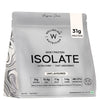 Whey Protein Isolate 31g | 1kg | 4B CFU Probiotics | Unflavoured
₹7,199 – ₹12,399
 Daily Fiber | Pina Colada Flavour
₹872 – ₹1,708
 Daily Fiber | Vanilla Berry Flavour
₹872 – ₹1,708
 Daily Probiotic Slow
₹1,357 – ₹2,658
 Probiotic + Prebiotic
₹664 – ₹3,355