Not too long ago, protein powder was largely associated with bodybuilders, athletes and people trying to build muscle. Today, the conversation has changed. From working professionals trying to meet their daily protein needs to people looking to maintain muscle as they age, protein has become a much bigger part of everyday nutrition.
And there is a good reason for that. Protein supplies amino acids that your body needs to maintain muscle, repair tissues and carry out essential functions. You do not have to spend hours at the gym to need protein. Your requirements depend on factors such as your age, body size, activity levels and health status.
The challenge? There are now more protein options than ever. Whey protein, casein, soy protein, pea protein, rice protein and blended plant protein all have a place in the market. And now, fermented yeast protein is gaining attention as another alternative.
But is yeast protein good for you? Is yeast a good source of protein compared with whey or plant protein? And what should you look for before buying it?
Let's break it down.
What is fermented yeast protein?
Fermented yeast protein is a protein ingredient produced using selected microorganisms, such as food-grade yeast, grown under controlled fermentation conditions. The resulting biomass is processed to produce a protein-rich ingredient.
The important distinction is that yeast protein is not the same as a probiotic supplement or a fermented food. Depending on how it is manufactured, the final protein ingredient may contain inactivated yeast or extracted protein. It is the nutritional composition of the finished ingredient that matters.
Yeast protein can provide essential amino acids, which are the amino acids your body cannot produce in sufficient amounts and must obtain through food. Its exact protein content, amino acid profile and digestibility depend on the yeast strain and manufacturing process.
Fermentation is also being explored as a way to produce alternative protein ingredients with potentially lower environmental impacts than some conventional animal-derived proteins. However, the environmental benefits depend on factors such as the feedstock, energy use and production process.
So, what makes it worth considering?
5 potential benefits of fermented yeast protein
1. Helps meet your daily protein needs
Whether you get your protein from dairy, eggs, pulses or yeast, the goal is to provide your body with the amino acids it needs. Yeast protein can be another way to help meet daily protein requirements, particularly for people looking for alternatives to conventional protein powders.
The amino acid profile and digestibility of the finished product are important when assessing its nutritional quality. [NIH]
2. Supports muscle maintenance and recovery
Protein provides the amino acids needed for muscle protein synthesis, the process through which your body builds and repairs muscle proteins. Consuming sufficient protein, alongside appropriate physical activity, helps support muscle maintenance and recovery.
Yeast protein is a promising alternative, but evidence for protein in general should not be mistaken for proof that every yeast protein product produces the same muscle-building effects as whey. [NIH]
3. Offers a non-dairy protein alternative
If you avoid dairy, yeast protein may provide another option beyond soy, pea and other plant-derived proteins. It can be particularly useful for people who want to diversify their protein sources.
However, check the complete ingredient list. A yeast-based protein powder may still contain milk-derived ingredients or other allergens, depending on the formulation and manufacturing process.
4. May offer a useful alternative for digestive tolerance
Protein powders can feel different from one person to another. Some people experience bloating or digestive discomfort with particular formulations, especially when they contain lactose or ingredients they do not tolerate well.
Yeast protein is naturally non-dairy, but that alone does not guarantee that it will be easier to digest. The available comparative research on yeast protein digestion is still developing, and some findings come from laboratory digestion models rather than human trials. [NIH]
If digestive comfort is a priority, look at the full formula, including sweeteners, added fibres, sugar alcohols and digestive enzymes, rather than judging a product by its protein source alone.
5. Provides another option for sustainable protein innovation
Fermentation-based protein production is attracting interest because it offers an alternative way to produce protein-rich ingredients. Yeast can be cultivated in controlled environments, potentially reducing dependence on conventional agricultural protein sources.
The actual environmental footprint varies by production method, energy source and raw materials. Yeast protein should therefore be viewed as a promising option within the evolving alternative protein category, rather than automatically assuming that every product has a lower environmental impact.
Yeast protein vs whey vs plant protein: Which should you choose?
There is no single protein source that is best for everyone. The right choice depends on your nutritional needs, dietary preferences, digestion and the quality of the finished product.
|
Protein source |
What to know |
|
Whey protein |
Dairy-derived, rich in essential amino acids and well studied for muscle recovery. |
|
Soy protein |
Plant-derived, contains all nine essential amino acids and is a useful option for vegetarian and vegan diets. |
|
Pea protein |
Plant-derived and dairy-free. Its amino acid profile differs from whey, so formulation matters. |
|
Rice protein |
Plant-derived and dairy-free. It is relatively low in lysine, so combining it with complementary protein sources can improve the overall amino acid profile. |
|
Fermented yeast protein |
Produced using food-grade yeast and fermentation. Its nutritional quality depends on its amino acid profile, processing and digestibility. |
The takeaway is simple: compare protein content per serving, essential amino acids, digestibility, ingredients and your individual requirements, rather than choosing a protein solely because it is trending.

What to look for when buying a yeast protein powder
Not all protein powders are formulated in the same way. Here is a practical checklist to help you evaluate your options.
1. Check the protein content and amino acid profile
Look at how many grams of protein you get per serving, not just the scoop size. Check whether the product provides all nine essential amino acids and whether amino acid quantities are disclosed where possible.
2. Understand the fermentation and processing technology
Fermentation alone does not guarantee better digestibility or absorption. Look for information about the protein ingredient, processing methods and quality testing. Claims about superior absorption should be supported by relevant evidence.
3. Look at digestive enzymes and the complete formula
Some products include digestive enzymes intended to help break down nutrients. These may be useful in specific formulations, but their presence does not automatically mean better digestion. Also check for lactose, sugar alcohols, added fibres and other ingredients that may trigger discomfort in some people.
4. Read the sweetener and additive list
If you prefer a simpler formulation, check for artificial sweeteners, colours, thickeners and unnecessary additives. Their presence does not automatically make a product unhealthy, but the ingredient list should align with your preferences and tolerances.
5. Look for quality and safety checks
Choose products from manufacturers that provide clear ingredient information, appropriate contaminant testing and reliable quality controls. If you have a yeast allergy or a relevant medical condition, check suitability with a healthcare professional.
The bottom line
Fermented yeast protein is an interesting addition to the growing range of protein supplements. It offers another way to meet protein needs, particularly for people looking for non-dairy alternatives. However, it is not automatically superior to whey or established plant proteins.
Focus on the protein content, amino acid profile, digestibility, formulation and quality standards. The best protein powder is one that meets your nutritional needs and fits comfortably into your everyday diet.
Key takeaways
-
Fermented yeast protein is a non-animal protein source produced using controlled fermentation.
-
It can help contribute to daily protein intake, which supports muscle maintenance and recovery.
-
Evidence for yeast protein is growing, but claims about satiety, gut health and superior muscle growth require specific supporting research.
-
Digestive enzymes, fermentation technology and ingredient quality are worth evaluating, but none guarantees better tolerance or absorption.
-
Whey, soy, pea, rice and yeast proteins can all have a place in a balanced diet. Choose according to your nutritional needs and preferences.
FAQs
1. Is fermented yeast protein good for you?
Yes, it can be a useful source of dietary protein when it provides a suitable amino acid profile and is produced to appropriate quality standards. Its benefits depend on the finished product and your overall diet.
2. What is fermented yeast protein made from?
It is made using selected food-grade yeast grown under controlled conditions. The resulting biomass is processed to produce a protein ingredient, with the exact process varying by manufacturer.
3. Is yeast protein better than whey protein?
Not necessarily. Whey has a more extensive evidence base for muscle recovery, while yeast protein offers a non-dairy alternative. Compare their protein content, amino acid profiles, digestibility and suitability for your needs.
4. Is yeast protein a complete protein?
Some yeast protein ingredients provide all nine essential amino acids. However, the exact amino acid profile varies, so check the nutritional information and product specifications.
5. Is yeast protein vegan?
Yeast protein is generally considered suitable for vegan diets because yeast is a microorganism, not an animal. Check the complete ingredient list to ensure the product contains no animal-derived additives.
6. Does yeast protein cause bloating or gas?
It can cause digestive symptoms in some individuals, depending on the ingredient, serving size and overall formulation. Non-dairy does not automatically mean easier to digest.
7. Can yeast protein help build muscle?
It can contribute the amino acids needed for muscle maintenance and growth. Adequate total protein intake and resistance training are important, and results depend on the product's nutritional quality and individual factors.
8. Is yeast protein good for weight loss?
Yeast protein can help you meet your protein needs while managing your overall diet. However, there is insufficient evidence to conclude that yeast protein specifically causes greater weight loss than other protein sources.
9. Which is better, whey protein or plant protein?
Whey is a high-quality dairy protein with extensive research supporting muscle recovery. Plant proteins can also meet protein needs, particularly when their amino acid profiles and total intake are adequate. The best option depends on dietary preferences, tolerance and goals.
10. What should I look for when buying yeast protein powder?
Check protein per serving, essential amino acids, ingredient quality, processing information, digestive enzymes if included, sweeteners, allergen information and quality testing. Prioritise transparent, evidence-backed claims over marketing trends.

Recommended Products
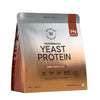
 Biofermented Yeast Protein Isolate 24g | 500g | Cold Coffee
₹1,804 – ₹3,418
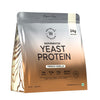
 Biofermented Yeast Protein Isolate 24g | 500g | Dark Chocolate
₹1,804 – ₹3,418
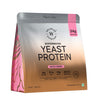
 Biofermented Yeast Protein Isolate 24g | 500g | French Vanilla
₹1,804 – ₹3,418
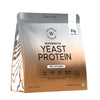
 Biofermented Yeast Protein Isolate 24g | 500g | Mixed Berry
₹1,804 – ₹3,418
 Biofermented Yeast Protein Isolate 31g | 500g | Unflavoured
₹1,709 – ₹3,238