Your skincare routine may be packed with serums, moisturisers and sunscreen, but what about the nutrients your skin needs from within?
Collagen has become one of the biggest names in beauty, and for good reason. It provides structural support to your skin, helping it maintain its firmness and elasticity. But collagen production changes as you age, and factors such as UV exposure, smoking and other environmental influences can contribute to collagen breakdown.
The good news? You can support your body's natural collagen production through a balanced diet, without overhauling your meals or buying expensive ingredients.
This 10-day collagen-boosting diet plan focuses on everyday foods, from amla and lentils to eggs, fish, nuts and colourful vegetables. There is no single diet that guarantees firmer skin in 10 days, but these simple food choices can help you build a more consistent routine for long-term skin health.
First, what is collagen, and why does your skin need it?
Collagen is the most abundant protein in the human body. It forms part of the structural framework of your skin, bones, cartilage, tendons and other connective tissues.
Think of it as part of the support network that helps your skin maintain its structure. As you age, collagen production and organisation change, contributing to the gradual loss of skin firmness and elasticity. Sun exposure can accelerate this process by promoting collagen breakdown. Source: NIH PubMed, collagen and skin ageing research
There are several types of collagen, but three are particularly relevant to understanding its role in the body.
|
Collagen type |
Where it is found |
Why it matters |
|
Type I |
Skin, bones, tendons |
Provides tensile strength and structural support |
|
Type II |
Cartilage |
Supports cartilage structure |
|
Type III |
Skin, blood vessels and other tissues |
Contributes to the structure of soft tissues |
Here is the important bit: eating collagen-rich foods is not the only way to support your skin. Your body also needs adequate protein and specific nutrients to produce its own collagen.
Vitamin C, in particular, is essential for collagen biosynthesis. Without enough of it, normal collagen formation is impaired. NIH Office of Dietary Supplements, Vitamin C
10 foods to include in a collagen-boosting diet
You do not need to eat the same foods every day to follow a collagen-rich diet. The goal is to combine protein sources with foods that provide vitamin C, zinc, copper and other nutrients involved in normal collagen formation and skin health.
1. Amla, guava and citrus fruits
These are excellent sources of vitamin C, which the body needs to synthesise collagen. Vitamin C also contributes antioxidant protection. Add amla chutney, guava or an orange to your daily meals.
2. Salmon and other oily fish
Fish provides high-quality protein, while oily varieties also supply omega-3 fatty acids. These nutrients support general health, and protein supplies the amino acids your body uses to make collagen. Fish flesh is not necessarily a significant source of collagen, which is concentrated in connective tissues such as skin and bones.
3. Eggs
Eggs provide protein and several micronutrients. They do not contain substantial collagen in their edible contents, but their protein contributes amino acids needed for normal protein synthesis.
4. Lentils, chickpeas and beans
These vegetarian staples provide protein, copper and other nutrients. Copper is involved in the activity of enzymes that help stabilise collagen and elastin fibres. Combine pulses with vitamin C-rich vegetables to make meals more varied.
5. Yoghurt and other dairy foods
Milk, yoghurt and paneer provide protein, helping you meet your daily requirements. They are not meaningful sources of collagen themselves, but they can form part of a balanced diet that supports normal tissue maintenance.
6. Nuts and seeds
Pumpkin seeds, cashews, almonds and sesame seeds provide varying amounts of zinc, copper, healthy fats and other nutrients. Zinc supports normal protein synthesis and wound healing, although eating more zinc than you need does not automatically increase collagen production.
7. Bell peppers, broccoli and tomatoes
Colourful vegetables supply vitamin C and other bioactive compounds. Include them in stir-fries, salads, sabzis or sandwiches to increase the variety of nutrients in your diet.
8. Tofu and soy foods
Tofu, tempeh and edamame provide plant-based protein. They are useful collagen-supporting food choices for vegetarians and vegans, even though plant foods do not contain collagen themselves.
9. Bone broth and gelatin-containing foods
Animal connective tissues contain collagen, some of which is converted into gelatin during cooking. Bone broth can provide collagen-derived proteins, but its nutritional content varies considerably with ingredients and preparation. It has not been established that eating bone broth directly improves skin collagen.
10. Berries and pomegranate
These fruits contain vitamin C in varying amounts and provide polyphenols, which have antioxidant activity. They can contribute to a nutrient-rich diet, although specific claims that they increase skin collagen in humans require stronger evidence.
Your simple 10-day collagen-boosting diet plan
You do not need a rigid menu or special recipes. Use this as a flexible guide and adjust portions to your appetite, nutritional needs and dietary preferences.

This plan is designed to provide variety and support adequate nutrient intake. It is not a proven collagen-building protocol, and ten days is too short to expect a visible change in skin firmness or wrinkles.
Can collagen powder help support skin health?
Food comes first, but collagen powder or marine collagen supplements may be an option for people interested in additional support.
Hydrolysed collagen peptides have been studied for skin hydration and elasticity. However, the evidence is mixed. A 2025 meta-analysis found that benefits were not significant in its analyses of higher-quality studies or studies without pharmaceutical-industry funding, so collagen supplements should not be presented as a proven way to prevent or reverse skin ageing. [NIH]
If you choose to use one, keep these points in mind:
-
Marine collagen: Derived from fish, it supplies collagen peptides. Check the source, allergen information and independent quality testing, including relevant contaminant testing.
-
Vegan collagen: Most products marketed this way are plant-based formulations designed to provide nutrients that support the body's collagen production. They do not contain actual collagen unless the product uses a specifically produced collagen ingredient.
-
Collagen with vitamin C or hyaluronic acid: These ingredients have different functions, and combining them does not automatically make a product more effective.
-
Glutathione powder/ tablet: Glutathione is an antioxidant, but evidence is insufficient to claim that oral glutathione reliably boosts collagen or reverses skin ageing.
Supplements are optional. A balanced diet, daily sun protection, adequate sleep and avoiding smoking remain important parts of looking after your skin.
FAQs
1. What foods increase collagen naturally?
Foods that provide protein, vitamin C, zinc and copper help support normal collagen production. Examples include eggs, fish, lentils, amla, guava, bell peppers, nuts and seeds.
2. What is the best diet for collagen production?
A balanced diet with adequate protein, vitamin C-rich fruits and vegetables, whole grains, nuts, seeds and other nutrient-rich foods is a practical starting point. No single food or diet guarantees increased skin collagen.
3. Can I increase collagen in my skin in 10 days?
You can start improving your nutritional intake in 10 days, but visible changes in skin structure are unlikely in such a short period. Collagen production and skin ageing are influenced by multiple factors over time.
4. Which fruits are best for collagen production?
Amla, guava, oranges, kiwi and strawberries are useful choices because they provide vitamin C, which is essential for collagen synthesis.
5. Which vegetarian foods support collagen production?
Lentils, chickpeas, tofu, dairy products, nuts and seeds provide protein or nutrients involved in normal collagen formation. Plant foods do not naturally contain collagen, but they can support your body's ability to make it.
6. Do eggs contain collagen?
Eggs are a source of protein, but their edible contents are not a substantial source of collagen. Their protein provides amino acids that the body can use for its own protein synthesis.
7. Is marine collagen better than plant-based collagen?
Marine collagen provides animal-derived collagen peptides, whereas most products marketed as vegan collagen provide nutrients intended to support the body's own collagen production. There is no conclusive evidence that one approach is universally best for skin health.
8. Does vitamin C help build collagen?
Yes. Vitamin C is required for the enzymes involved in collagen synthesis. A varied diet containing vitamin C-rich foods helps meet this nutritional requirement.
9. Does collagen powder improve skin elasticity?
Some clinical research suggests potential improvements in skin hydration and elasticity, but findings are inconsistent, particularly in higher-quality and independently funded studies. More robust evidence is needed.
10. What habits damage collagen in the skin?
Excessive ultraviolet exposure and smoking can accelerate collagen breakdown. Daily sun protection, avoiding smoking, eating adequately and maintaining a balanced lifestyle can help support long-term skin health.
Key takeaways
-
Prioritise protein: Eggs, fish, dairy, lentils and tofu provide amino acids needed for normal collagen production.
-
Do not overlook vitamin C: Amla, guava, citrus fruits and bell peppers help supply a nutrient essential for collagen synthesis.
-
Think beyond collagen-rich foods: Most plant foods do not contain collagen, but they provide nutrients that support your body's natural processes.
-
Be realistic about supplements: Marine collagen may offer benefits, but current evidence does not establish it as a reliable solution for skin ageing.
-
Stay consistent: A varied diet, sun protection, adequate sleep and avoiding smoking are more useful long-term strategies than expecting a dramatic change in 10 days.
The bottom line
A collagen-boosting diet is less about eating one miracle food and more about consistently nourishing your skin from within. Use these 10 days to build a varied, nutrient-rich routine that you can continue well beyond the plan.

Recommended Products
 Beauty Collagen Strawberry Watermelon Flavour
₹1,799 – ₹7,196
Beauty Collagen Strawberry Watermelon Flavour
₹1,799 – ₹7,196
 Beauty Korean Marine Collagen Peptides Mango Peach Flavour
₹1,799 – ₹7,196
Beauty Korean Marine Collagen Peptides Mango Peach Flavour
₹1,799 – ₹7,196
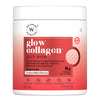 Glow Korean Marine Collagen Peptides with Liposomal Glutathione & Vitamin C | Tropical Bliss Flavour | 250g
₹1,799 – ₹7,196
Glow Korean Marine Collagen Peptides with Liposomal Glutathione & Vitamin C | Tropical Bliss Flavour | 250g
₹1,799 – ₹7,196
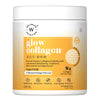 Glow Korean Marine Collagen Peptides with Liposomal Glutathione & Vitamin C | Valencia Orange Flavour | 250g
₹1,799 – ₹7,196
Glow Korean Marine Collagen Peptides with Liposomal Glutathione & Vitamin C | Valencia Orange Flavour | 250g
₹1,799 – ₹7,196
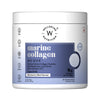 Korean Marine Collagen - Blueberry Mint
₹1,018 – ₹1,993
Korean Marine Collagen - Blueberry Mint
₹1,018 – ₹1,993
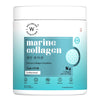 Pure Korean Marine Collagen Peptides | Unflavored | Combat Signs of Ageing
₹1,619 – ₹6,476
Pure Korean Marine Collagen Peptides | Unflavored | Combat Signs of Ageing
₹1,619 – ₹6,476
 Vegan Pro Collagen Lemon Lime
₹1,745 – ₹3,418
Vegan Pro Collagen Lemon Lime
₹1,745 – ₹3,418
 Vegan Pro Collagen Mixed Berries
₹1,745 – ₹3,418
Vegan Pro Collagen Mixed Berries
₹1,745 – ₹3,418