Collagen powder is everywhere right now. From morning coffee routines to elaborate skincare shelves, social media has made it one of the most talked-about supplements in the beauty and wellness space. The promise? Smoother skin, fewer fine lines, a healthy glow, stronger joints and even better hair.
Some creators swear by their daily scoop. Others call it an expensive beauty trend. And with so many products promising visible results in as little as a few weeks, it is fair to ask: does collagen powder really work, or is it another wellness trend that sounds better than the science?
The answer is more nuanced than a simple yes or no. Human clinical studies have reported improvements in certain skin parameters, joint comfort and bone health. However, the evidence is not equally strong for every benefit, and newer research has raised questions about how reliable some of the skin-related findings are.
Let's look at what collagen actually does in your body, what human studies have found, and how long you may need to take it before noticing a difference.
First, what exactly is collagen?
Think of collagen as your body's structural framework. It is the most abundant protein in the human body and a major component of connective tissues, including skin, bones, cartilage, tendons and ligaments.
Your body naturally produces collagen using amino acids, particularly glycine, proline and hydroxyproline. Vitamin C is also essential for normal collagen synthesis.
There are several types of collagen, but three are particularly important:
-
Type I: The predominant type in skin, bones and tendons.
-
Type II: A major structural component of cartilage.
-
Type III: Found in skin, blood vessels and other connective tissues, often alongside type I.
Here is where age enters the picture. Collagen production and turnover change as we get older, while existing collagen fibres become more fragmented and their structure changes. Sun exposure, smoking and other environmental factors can accelerate collagen degradation in the skin.
Hormonal changes matter, too. In women, the decline in oestrogen around menopause is associated with a reduction in skin collagen. One human study found that skin collagen content decreased significantly with age beyond the 40s and following menopause. [NIH]
This is one reason collagen supplements have attracted attention. But there is an important distinction: the collagen you swallow does not travel directly to your face and fill in wrinkles.
How does collagen powder work?
Most collagen powders contain hydrolysed collagen, also called collagen peptides. These are smaller protein fragments produced by breaking down collagen into shorter chains.
After you consume them, digestive enzymes break the proteins down further into amino acids and small peptides. Some collagen-derived peptides can enter the bloodstream, where they may influence processes involved in connective tissue maintenance. Your body still regulates how those building blocks are used.
In other words, collagen powder supplies raw materials and potentially bioactive peptides, but it does not guarantee that your body will produce more collagen in a particular area.
That brings us to the real question: what have studies in humans actually found?
7 science-backed facts about collagen powder
1. Collagen peptides may improve skin hydration
Dryness can make fine lines more noticeable, which is why skin hydration matters when discussing a healthy-looking complexion.
In a 2021 human clinical trial involving 99 women aged 35 to 50, participants who took 1 g or 5 g of collagen peptides daily for 12 weeks showed increased skin water content and reduced water loss through the skin compared with baseline and placebo-related comparisons. Skin elasticity and thickness, however, did not significantly improve. [NIH]
The takeaway: Collagen peptides may help improve skin hydration, but this does not automatically translate into fewer wrinkles or firmer skin.
2. Fine lines and wrinkles may become less noticeable
This is one of the biggest reasons collagen has become a beauty supplement staple.
In a 2018 placebo-controlled human trial involving 64 participants, 1 g of low-molecular-weight collagen peptides daily for 12 weeks improved skin hydration and several measures of wrinkling compared with placebo. Some measures of skin elasticity also improved. [NIH]
However, the size of the benefit varies between studies, and these findings do not establish that every collagen powder will produce the same results.
A particularly important caveat comes from a 2025 meta-analysis of 23 trials involving 1,474 participants. It found that apparent benefits for skin hydration, elasticity and wrinkles were not present in the subgroup of studies without pharmaceutical-industry funding or in higher-quality studies. The authors concluded that current clinical evidence does not support collagen supplements for preventing or treating skin ageing. [NIH]
So, while some individual trials are encouraging, the overall evidence remains uncertain.
3. Collagen may influence certain pigmentation measures
The idea that collagen powder can help with uneven skin tone has also gained attention.
In a 2022 placebo-controlled human study involving 44 adults, participants took 5 g of collagen peptides daily, fermented collagen peptides or a placebo for three months. The collagen peptide group showed a significant reduction in measured pigmented patches at one month, while the fermented collagen group showed reductions in certain pigmentation measures at different time points. [NIH]
This is an interesting early finding, but the study was small. It does not establish collagen as a reliable treatment for melasma, sunspots or other pigmentation disorders. Sunscreen and evidence-based dermatological treatments remain important for managing these concerns.

4. Skin texture and surface renewal may improve
Healthy skin is not only about wrinkles. Its surface texture, moisture balance and natural shedding process also contribute to how smooth it looks and feels.
A 2023 human clinical trial involving 100 women aged 30 to 60 found that 1.65 g of a specific collagen peptide preparation daily was associated with improvements in skin hydration and desquamation after four weeks. Improvements in wrinkling and elasticity were observed after 12 weeks. [NIH]
Desquamation refers to the shedding of dead skin cells from the skin's surface. These results are promising, but they relate to a particular preparation and should not be assumed to apply to every product.
5. Certain collagen peptides may help with joint discomfort
Collagen is a major component of cartilage, which cushions joints and helps them move smoothly.
In a 2024 randomised, placebo-controlled human trial, 182 adults with functional knee or hip pain received 5 g of specific collagen peptides or a placebo daily for 12 weeks. The collagen group showed improvements in some measures of pain during everyday activities, including walking, climbing stairs and kneeling. [NIH]
The findings are encouraging, but collagen is not a treatment for every cause of joint pain, and studies have not consistently shown benefits across all populations.
6. Specific collagen peptides may support bone health after menopause
Collagen is part of the organic framework of bone, alongside minerals such as calcium and phosphorus.
In a 12-month human trial involving postmenopausal women, 5 g of specific collagen peptides daily was associated with improvements in bone mineral density at the spine and femoral neck compared with placebo. [NIH]
This is a potentially important finding, particularly for women navigating age-related changes in bone health. However, it comes from a specific preparation and study population. Collagen should not replace adequate calcium, vitamin D, resistance exercise or medical care for osteoporosis.
7. Collagen may complement resistance training, but it is not a complete protein
Collagen is often promoted for muscle recovery and strength. The evidence needs a little context here.
In a 2015 human trial, 53 older men with sarcopenia completed a 12-week resistance-training programme while taking either 15 g of collagen peptides daily or a placebo. The collagen group experienced greater improvements in fat-free mass and quadriceps strength. [NIH]
However, the results apply to older men with sarcopenia following a structured exercise programme. They do not prove that collagen alone builds muscle in everyone.
Collagen is also an incomplete protein because it lacks tryptophan and has a relatively low proportion of several essential amino acids. If muscle growth is your goal, complete protein sources such as dairy, eggs, soy, fish and meat are generally more suitable as your primary protein sources.
Marine, bovine or vegan collagen: which should you choose?
Not all products labelled as collagen work in the same way. The source matters for dietary preferences and allergies, while the formulation and evidence behind the specific peptide preparation matter when evaluating potential benefits.
|
Type |
What it contains |
What to know |
|
Marine collagen |
Collagen peptides derived from fish skin, scales or other fish tissues |
Commonly rich in type I collagen. Often marketed for skin support, but it is not proven to outperform all other sources. |
|
Bovine collagen |
Collagen peptides derived from cattle tissues |
Commonly supplies type I and type III collagen. Used in products targeting skin, bones and connective tissues. |
|
Chicken collagen |
Collagen derived from chicken tissues, often cartilage |
Commonly associated with type II collagen and products formulated for joint support. |
|
Porcine collagen |
Collagen derived from pig tissues |
Used in some collagen peptide supplements. Suitability depends on dietary and religious preferences. |
|
Vegan collagen boosters |
Ingredients such as vitamin C, zinc and certain amino acids, rather than animal-derived collagen |
These may supply nutrients needed for normal collagen synthesis, but they are not collagen itself. Evidence for one ingredient cannot automatically be applied to the whole blend. |
Which is best? There is no universally superior source. Choose according to your dietary requirements, allergies, the amount of collagen peptides per serving, ingredient transparency and the quality of human research on that specific preparation.
Also remember that a larger dose does not automatically mean better results. Studies use different preparations and doses, so there is no single proven dose that guarantees visible skin improvements for everyone.

How to take collagen powder?
The best collagen routine is one you can actually maintain.
You can mix collagen powder into:
-
Water
-
Smoothies
-
Coffee
-
Protein shakes
-
Yogurt
-
Oatmeal
There is no need to make your routine complicated.
What is the best time to take collagen?
There isn't strong human evidence establishing a specific “best time” to take collagen.
Morning, afternoon or evening can all work. The bigger priority is consistency and following the recommended serving on your product.
So, which is the best time to take collagen?
The time you are least likely to forget.
So, does collagen powder really work?
The science is not as simple as social media makes it appear. Some human trials have reported improvements in skin hydration, wrinkles, joint discomfort and bone mineral density with specific collagen preparations. Other studies have found limited or inconsistent benefits, and recent higher-quality evidence has challenged the strength of the skin anti-ageing claims.
The most sensible approach is to treat collagen as an optional supplement, not a shortcut to younger-looking skin or healthier joints. If you choose to take it, look beyond the marketing, check the formulation and set realistic expectations.
The bottom line: Collagen powder has potential, but its benefits are not guaranteed, and the evidence is still developing. Your daily scoop should be informed by science, not just the latest beauty trend.
Key takeaways
1. Collagen is essential for skin structure. It provides structural support to skin, bones, cartilage, tendons and ligaments, but natural collagen production and turnover change with age.
2. Collagen powder may support skin hydration and texture. Some human studies report improvements in hydration, wrinkles and elasticity, although the strength of the overall evidence remains uncertain.
3. How long does collagen powder take to work? Some studies report changes within 4 to 8 weeks, while others assess outcomes after 12 weeks. Results are not guaranteed.
4. Marine collagen, bovine and vegan collagen are not interchangeable. Marine and bovine supplements provide collagen peptides, while vegan collagen boosters supply nutrients that support your body's own collagen synthesis.
5. The formulation matters more than the trend. Look for transparent ingredients, a clearly stated dose and credible human research. Collagen should complement, not replace, a balanced diet and appropriate skincare.
FAQs
1. Does collagen powder really work?
Collagen powder may improve certain skin parameters, including hydration and wrinkle appearance, and some specific preparations have shown benefits for joint comfort and bone health. However, findings are inconsistent, and stronger independent research is needed to establish how effective these supplements are.
2. How long does collagen powder take to work?
Some human studies have reported improvements in skin hydration after 4 to 6 weeks, while changes in wrinkles and elasticity have often been assessed after 8 to 12 weeks. The timeline varies, and some people may not notice a visible difference.
3. How does collagen powder work in the body?
Collagen powder is digested into amino acids and smaller peptides. These provide building blocks for protein synthesis, and some collagen-derived peptides may influence connective tissue processes. The body determines how these nutrients are used, so consuming collagen does not guarantee increased collagen production in the skin.
4. Which collagen powder is best for skin?
Hydrolysed collagen peptides are commonly used in skin-focused supplements. When choosing a product, check the amount per serving, ingredient transparency and human clinical evidence for the specific formulation. Marine collagen is often marketed for skin health, but it has not been conclusively shown to be superior to every other collagen source.
5. Is marine collagen better than bovine collagen?
Not necessarily. Marine collagen commonly supplies type I collagen, while bovine collagen commonly supplies types I and III. Both can provide collagen peptides. The source alone does not establish which product will deliver better results.
6. Can collagen powder reduce wrinkles and fine lines?
Some human clinical trials have reported improvements in wrinkle measurements after 8 to 12 weeks of collagen supplementation. However, findings across studies are inconsistent, and recent research has questioned whether the overall evidence is strong enough to support anti-ageing claims.
7. Does collagen powder help with pigmentation and dark spots?
A small human trial reported improvements in certain pigmentation measurements after collagen peptide supplementation. However, this evidence is preliminary. Collagen powder is not an established treatment for melasma, dark spots or other pigmentation disorders.
8. Can you take collagen powder every day?
Many clinical studies have evaluated daily collagen supplementation over several weeks or months. Whether daily use is appropriate depends on the product, dose, individual health considerations and dietary requirements. Follow the product's directions and seek professional advice if you have relevant medical conditions or allergies.
9. Is vegan collagen as effective as marine collagen?
Vegan collagen boosters are not the same as collagen peptides derived from animal sources. They may provide nutrients such as vitamin C that are required for normal collagen synthesis, but they do not directly supply collagen. There is currently insufficient evidence to conclude that vegan collagen boosters produce the same results as collagen peptide supplements.
10. Can collagen powder replace protein powder?
No, not if your primary goal is to meet your daily protein needs or support muscle growth. Collagen is an incomplete protein that lacks tryptophan and has a relatively low proportion of several essential amino acids. Whey, dairy, eggs, soy and other complete protein sources are generally better choices for meeting essential amino acid requirements. Collagen can be used alongside these sources for a different nutritional purpose.

Recommended Products
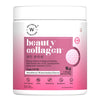 Beauty Collagen Strawberry Watermelon Flavour
₹1,699 – ₹6,796
Beauty Collagen Strawberry Watermelon Flavour
₹1,699 – ₹6,796
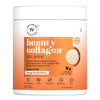 Beauty Korean Marine Collagen Peptides Mango Peach Flavour
₹1,699 – ₹6,796
Beauty Korean Marine Collagen Peptides Mango Peach Flavour
₹1,699 – ₹6,796
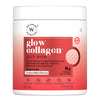 Glow Korean Marine Collagen Peptides with Liposomal Glutathione & Vitamin C | Tropical Bliss Flavour | 250g
₹1,699 – ₹6,796
Glow Korean Marine Collagen Peptides with Liposomal Glutathione & Vitamin C | Tropical Bliss Flavour | 250g
₹1,699 – ₹6,796
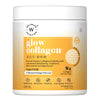 Glow Korean Marine Collagen Peptides with Liposomal Glutathione & Vitamin C | Valencia Orange Flavour | 250g
₹1,499 – ₹5,997
Glow Korean Marine Collagen Peptides with Liposomal Glutathione & Vitamin C | Valencia Orange Flavour | 250g
₹1,499 – ₹5,997
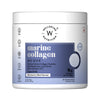 Korean Marine Collagen - Blueberry Mint
₹786 – ₹1,573
Korean Marine Collagen - Blueberry Mint
₹786 – ₹1,573
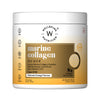 Marine Collagen - Valencia Orange
₹786 – ₹1,573
Marine Collagen - Valencia Orange
₹786 – ₹1,573
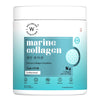 Pure Korean Marine Collagen Peptides | Unflavored | Combat Signs of Ageing
₹1,529 – ₹6,116
Pure Korean Marine Collagen Peptides | Unflavored | Combat Signs of Ageing
₹1,529 – ₹6,116