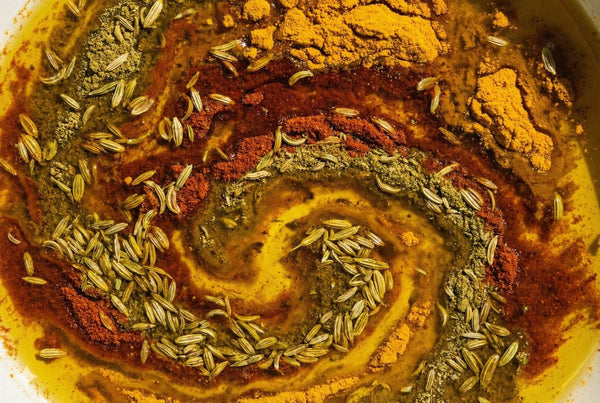
A healthier life does not have to start with an elaborate morning routine, an expensive gym membership or a complete pantry makeover. Sometimes, it starts with eating a proper breakfast, taking a walk after lunch or putting your phone away before bed.
The truth is, healthy habits are less about getting everything right and more about what you do consistently. Your everyday choices influence your energy levels, sleep quality, digestion, physical fitness and long-term health. And the best part? You do not have to change everything at once.
Here are 10 healthy habits you can incorporate into your daily routine, without making healthy living feel like another item on your to-do list.
Why healthy habits matter more than ever
Our lifestyles have changed considerably over the years. Long working hours, frequent screen time, convenience foods, irregular sleep and everyday stress have made it easier to neglect the basics of good health. When these patterns persist, they can contribute to health concerns such as obesity, type 2 diabetes, cardiovascular disease and poor mental well-being.
According to the World Health Organization, obesity affected approximately 890 million adults worldwide in 2022. This reflects a growing public health challenge, with diet, physical activity, environmental factors and other influences all playing a role. [WHO]
But healthier living does not need to mean going back to a completely traditional lifestyle or giving up the conveniences of modern life. It means finding a balance that works for you.
Japan offers an interesting example. The country has one of the world's highest life expectancies, supported by a combination of factors, including healthcare access, dietary patterns and lifestyle practices. Traditional Japanese eating patterns often feature vegetables, fish, soy foods and smaller portions, while walking and active daily living can contribute to overall health. However, longevity is influenced by much more than individual habits alone.
The takeaway is simple: you do not need a perfect lifestyle to build a healthier one. You need routines you can realistically maintain.
10 healthy habits to follow every day
Small changes, realistic routines, lasting benefits.
1. Start your day with water
Before reaching for your coffee, make hydration part of your morning routine. Water supports normal digestion, circulation, temperature regulation and kidney function. You do not need to force yourself to drink excessive amounts, either. Your fluid needs depend on your activity levels, climate, diet and health.
Try this: Keep a glass of water beside your bed or drink some while preparing breakfast.
2. Build balanced meals, not restrictive diets
Healthy eating is not about eliminating carbohydrates or avoiding every food you enjoy. It is about getting a balance of nutrients from vegetables, fruits, whole grains, pulses, nuts, seeds and protein-rich foods such as eggs, dairy, fish or tofu.
Include fiber-rich foods and a source of protein in your main meals. They can help support digestive health and keep you satisfied between meals.
Try this: Add one vegetable to lunch, include dal or another protein source at dinner, and choose whole fruit more often than juice.
3. Walk more throughout the day
You do not need an intense workout every morning to become more active. Walking to the nearby shop, taking the stairs or moving between meetings all count towards your daily activity.
Regular physical activity supports cardiovascular health, metabolic health, physical function and mental well-being.

Try this: Start with a 10-minute walk after lunch or dinner and gradually increase your activity.
4. Make sleep a non-negotiable
Late-night scrolling, irregular work schedules and caffeine consumed too late in the day can interfere with sleep. Most adults need at least seven hours of sleep per night, although individual requirements vary.
Consistent, good-quality sleep supports attention, mood, immune function and metabolic health. Sleeping well is not a luxury, it is a fundamental part of looking after yourself.
Try this: Maintain a consistent bedtime, dim the lights in the evening and create a relaxing 30-minute wind-down routine.
5. Eat more fiber for better gut health
If your meals regularly consist of refined grains, packaged snacks and little produce, you may be missing out on dietary fiber. Fiber supports regular bowel movements, feeds beneficial gut microbes and can help with cholesterol and blood glucose management, depending on the type of fiber.
Good sources include oats, beans, lentils, vegetables, fruits, nuts and seeds.
Try this: Add chia seeds to breakfast, choose whole grains more often and include pulses in your meals. Increase fiber gradually and drink enough fluids.
6. Take short breaks from sitting
Working at a desk for hours can make movement an afterthought. Even if you exercise in the morning, breaking up prolonged sitting is a useful addition to your daily routine.
Long periods of sedentary behaviour are associated with poorer health outcomes, particularly when overall physical activity is low. Short movement breaks help you reduce uninterrupted sitting time.
Try this: Stand up, stretch or walk around for a few minutes every 30 to 60 minutes. Set a reminder if you tend to lose track of time.
7. Find a simple way to manage stress
Deadlines, financial concerns, family responsibilities and constant notifications can leave little room to unwind. Persistent stress can affect sleep, mood, appetite and daily functioning.
You do not need an elaborate mindfulness practice to get started. Slow breathing, journalling, time outdoors or talking to someone you trust can help you manage everyday stress.
Try this: Take five minutes between work and home responsibilities to breathe slowly, step outside or sit without looking at a screen.
8. Make room for meaningful connections
Health is not only about what you eat or how much you exercise. Social connection matters, too. Regular contact with friends, family and your wider community can support emotional well-being and reduce feelings of isolation.
A healthy lifestyle routine should leave room for relationships, shared meals and activities you enjoy, not just work and self-improvement.
Try this: Call a friend during your commute, eat a meal with family or plan a regular walk with someone you enjoy spending time with.
9. Reduce ultra-processed snacks and sugary drinks
Packaged foods are not automatically unhealthy, and you do not need to avoid them completely. However, diets high in sugary drinks, energy-dense snacks and foods containing excess salt, sugar or saturated fat can make it harder to maintain a balanced diet.
Focus on what you eat regularly rather than worrying about an occasional treat.
Try this: Keep fruit, yoghurt, roasted chana or nuts available when you want a snack. Choose water more often than sugar-sweetened drinks.
10. Make preventive healthcare part of your routine
Healthy habits can reduce certain health risks, but they cannot replace preventive healthcare. Blood pressure checks, age-appropriate screening, recommended vaccinations and dental visits can help identify or prevent problems before they become more serious.
The right checks depend on your age, medical history, family history and individual risk factors.
Try this: Schedule overdue check-ups and discuss appropriate screening tests with your healthcare professional. Avoid relying on symptoms alone to judge your health.

Pro tip: Use supplements to fill nutritional gaps
A balanced diet remains the foundation of healthy living. Supplements may be useful when dietary intake is insufficient, a deficiency is identified or a specific health need warrants them. They are not a substitute for healthy daily habits.
Here are a few options to understand before adding anything to your routine.
- Multivitamins: These can help fill certain micronutrient gaps when dietary intake is inadequate. A large randomised trial programme also found modest benefits for some measures of cognitive function in older adults, although multivitamins are not proven to prevent all age-related decline. [NIH]
- Vitamin C and zinc tablets: Both nutrients support normal immune function. However, supplementation does not guarantee that you will avoid infections. Regular vitamin C supplementation may modestly shorten the duration of common colds, while taking it after symptoms begin has not consistently shown benefit. [NIH]
- Sea buckthorn: This berry contains vitamin C, carotenoids and other bioactive compounds, depending on the product and preparation. In a human trial, sea buckthorn supplementation reduced C-reactive protein, a marker of inflammation, but did not prevent common colds or digestive tract infections. Broader health claims require further evidence. [NIH]
- NAC supplement: N-acetylcysteine is a precursor to glutathione, an antioxidant produced by the body. A meta-analysis of human clinical trials found reductions in certain inflammatory markers, including C-reactive protein and interleukin-6, although the results varied across studies. NAC is not a general-purpose longevity supplement, and its suitability depends on individual circumstances. [NIH]
- Protein powder: If you struggle to meet your protein needs through food, a protein powder can be a convenient option. Research indicates that protein supplementation alongside resistance training can support gains in muscle mass and strength. The benefit depends on your overall protein intake and exercise routine. [NIH]
- Fiber supplement: If your diet does not provide enough fiber, a supplement may help increase your intake. Certain added fibers have been associated with improvements in blood glucose and blood lipid measures in clinical research. The effects depend on the fiber type and dose, and whole foods should remain the foundation of your diet. [NIH]
Before starting supplements, consider your diet, existing medications, health conditions and individual requirements. High doses of certain nutrients can cause adverse effects or interact with medicines. A qualified healthcare professional can help you determine what, if anything, you need.
The bottom line
A healthy lifestyle is not built in a day. It develops through small, repeatable choices that support your physical and mental well-being over time.
Start with two or three habits that fit your current routine, practise them consistently and build from there. Progress that you can sustain is more valuable than a perfect routine you cannot maintain.
Key takeaways
-
Start small: A few consistent changes can be easier to sustain than a complete lifestyle overhaul.
-
Eat for nourishment: Prioritise varied, balanced meals with adequate protein and fiber.
-
Move and recover: Regular physical activity, less uninterrupted sitting and sufficient sleep all matter.
-
Look beyond diet: Stress management, meaningful relationships and preventive healthcare are part of overall well-being.
-
Supplement with purpose: Choose supplements based on evidence and individual needs, not the promise of a quick fix.
FAQs
1. What are the 10 healthy habits everyone should follow?
Prioritise hydration, balanced meals, regular movement, adequate sleep, fiber intake, breaks from sitting, stress management, social connection, limiting excess sugary drinks and ultra-processed snacks, and preventive healthcare.
2. How can I start a healthy lifestyle?
Begin with small changes, such as drinking water regularly, walking for 10 minutes and following a consistent bedtime. Add other habits gradually as they become easier to maintain.
3. What is the best daily routine for a healthy life?
A practical routine includes regular meals, movement throughout the day, sufficient sleep, time to unwind and opportunities to connect with others. The best routine is one you can sustain consistently.
4. How many hours of sleep do adults need?
Most adults need at least seven hours of sleep per night. Sleep quality, regularity and individual needs also matter.
5. What foods should I eat every day to stay healthy?
Include a variety of vegetables, fruits, whole grains, pulses, nuts, seeds and protein-rich foods. Varying your food choices helps provide a broader range of nutrients.
6. How much exercise do I need to stay healthy?
Adults should aim for 150 to 300 minutes of moderate-intensity aerobic activity per week, plus muscle-strengthening activities on at least two days, in line with WHO recommendations.
7. How can I improve my gut health naturally?
Eat a variety of fiber-rich plant foods, include fermented foods if they suit you, drink adequate fluids and maintain regular physical activity. Increase fiber intake gradually to minimise digestive discomfort.
8. Which habits help you live longer?
Not smoking, regular physical activity, a balanced diet, adequate sleep, social connection and appropriate preventive healthcare are important components of long-term health. No single habit guarantees longevity.
9. Do I need multivitamins or other supplements if I eat healthy food?
Not necessarily. Many people can meet their nutritional needs through a varied diet. Supplements may be useful for specific deficiencies, dietary gaps or individual requirements, but more is not always better.
10. How long does it take to build healthy habits?
It varies by person and behaviour. Some routines may become easier within a few weeks, while others take several months. Consistency, realistic goals and a supportive environment can make habits easier to maintain.

Recommended Products
 Multi + Omega 50+ Slow
₹1,119 – ₹2,238
 Multi + Omega for Her Slow
₹1,119 – ₹2,238
 Multi + Omega for Him Slow
₹1,119 – ₹2,238
 Organic Vitamin C + Zinc
₹638 – ₹1,915
 Himalayan Sea Buckthorn Juice with Curcumin Extract | 500ml
₹699 – ₹1,398
 Daily Fiber | Pina Colada Flavour
₹719 – ₹1,438
 Daily Fiber | Vanilla Berry Flavour
₹719 – ₹1,438
 Whey Protein Concentrate 27g | 1kg | 4B CFU Probiotics | Unflavoured
₹4,499 – ₹8,998
 Whey Protein Isolate + Concentrate 24g | 1kg | 4B CFU Probiotics | Swiss Chocolate
₹6,174 – ₹12,348
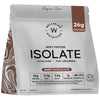 Whey Protein Isolate 26g | 1kg | 4B CFU Probiotics | Dark Chocolate
₹7,199 – ₹13,949
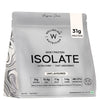 Whey Protein Isolate 31g | 1kg | 4B CFU Probiotics | Unflavoured
₹6,399 – ₹12,399
 Slow Advanced N-Acetyl-Cysteine + Glycine Capsules
₹1,119 – ₹2,238