Protein has become one of the most talked-about nutrients in everyday wellness. From adding protein to morning coffee to tracking grams in every meal, people are paying closer attention to how much protein they consume. And for good reason. Protein supports muscle growth, tissue repair, recovery and several essential functions in the body.
But as protein intake becomes a bigger priority, so does the question of where that protein comes from.
Whey protein has long been a favourite among fitness enthusiasts, while plant protein has become popular among people looking for dairy-free alternatives. Now, there is another interesting option entering the conversation: fermented yeast protein.
Made using controlled fermentation, this microbial protein source offers a different approach to protein nutrition. But what exactly is yeast protein? Is yeast protein good for muscle building? How does its nutrition compare with whey? And is it safe to consume regularly?
Let's understand what makes it worth exploring.
First, Why Does Your Body Need Protein?
Think of protein as your body's repair and maintenance material. Whether you are recovering from a workout, rebuilding tissues or maintaining muscle as you age, protein plays an essential role.
Here are three important functions:
-
Muscle growth and recovery: Protein provides essential amino acids that stimulate muscle protein synthesis, helping repair and build muscle, particularly alongside resistance training.
-
Tissue repair: Your body uses amino acids to maintain and repair cells and tissues, supporting everyday growth and recovery.
-
Essential body functions: Proteins are also used to produce enzymes, hormones and other molecules involved in normal physiological processes.
The takeaway? Meeting your daily protein requirements matters more than simply adding another scoop of protein powder to your routine.
What Is Fermented Yeast Protein?
Fermented yeast protein is a protein ingredient produced using microorganisms, commonly Saccharomyces cerevisiae, the yeast species also used in baking and brewing.
The process begins with growing yeast in a controlled fermentation environment, where it multiplies using nutrients in its growth medium. The resulting biomass is harvested and processed to separate and concentrate its protein content. Depending on the manufacturing process, this can include cell disruption, nucleic acid reduction, purification and drying.
But is fermented yeast protein the same as nutritional yeast? Not exactly. Nutritional yeast is generally sold as deactivated whole yeast flakes, often used as a seasoning. Fermented yeast protein is processed to obtain a more concentrated protein ingredient.
This makes yeast protein an interesting non-animal protein source with its own nutritional profile.
Yeast Protein Benefits Worth Knowing
1. Provides All Nine Essential Amino Acids
One of the interesting aspects of Saccharomyces cerevisiae protein is its essential amino acid profile.
It contains all nine essential amino acids (EAAs), including leucine, isoleucine, valine and lysine, which must come from your diet. These amino acids support muscle protein synthesis, tissue maintenance and recovery.
However, the quantity of individual amino acids varies with the yeast strain and processing method, so always check the product's amino acid profile. [NIH]
2. Supports Muscle Growth and Recovery
Looking to build muscle without relying on dairy-based protein? Yeast protein offers another source of essential amino acids.
When combined with resistance training, adequate protein intake supports muscle protein synthesis and recovery. Emerging human research has also explored yeast protein supplementation alongside exercise, making it a promising alternative worth further investigation. [NIH]
3. Offers a Dairy-Free Protein Alternative
For people avoiding dairy or looking for a non-animal protein source, yeast protein offers another option.
Unlike conventional whey protein, yeast-derived protein does not inherently contain milk proteins or lactose. This can make it suitable for people looking for dairy-free protein supplementation, provided the finished product has no dairy-containing additions or cross-contamination.
4. Helps Meet Daily Protein Requirements
Not everyone finds it easy to meet their daily protein requirements through food alone, especially with busy schedules, limited dietary preferences or increased nutritional requirements.
A yeast protein powder can offer a convenient way to supplement everyday protein intake. It can be added to smoothies or consumed as a shake, helping complement protein-rich meals.
5. Offers an Alternative Protein Production Approach
Unlike animal-derived proteins, yeast protein is produced through controlled microbial fermentation. This allows production in managed environments without depending on conventional livestock farming.
It is an emerging ingredient in the alternative protein space, with potential advantages in production efficiency and resource use. [NIH]
Yeast Protein Nutrition: What Should You Check?

Not all yeast protein powders have the same nutritional composition. Before choosing one, look beyond the protein-per-scoop claim.
Some yeast protein isolates may offer around 80% protein, but the actual concentration depends on the ingredient and processing. Always refer to the product label rather than assuming every yeast protein has the same nutritional value.
Yeast Protein Side Effects: Is It Safe?
Fermented yeast protein is generally an emerging food protein source, but that doesn't mean everyone will respond to it identically.
A few things to consider:
-
Digestive discomfort: Some people may experience bloating or gastrointestinal discomfort depending on their tolerance and the formulation.
-
Yeast sensitivity: People with a known yeast allergy should exercise caution and seek medical advice before consuming it.
-
Purine and nucleic acid content: Yeast biomass naturally contains nucleic acids. Processing can reduce these levels, making manufacturing quality important, particularly for people with gout or conditions affecting purine metabolism.
Choose products with transparent processing information, appropriate nucleic acid reduction and reliable quality testing. [NIH]
Who Should Consider Yeast Protein and What Are the Alternatives?
Yeast protein may be worth considering for people who:
-
Follow a vegetarian or vegan dietary pattern.
-
Prefer a dairy-free protein powder.
-
Want another source of essential amino acids.
-
Need a convenient way to meet their daily protein requirements.
However, protein-rich foods should remain the foundation of your diet. Dal, chickpeas, rajma, soy, tofu, paneer, eggs, fish and lean meats can all contribute to daily protein intake.
And if yeast protein isn't your preference, there are other options:
-
Plant protein: Pea, soy and complementary plant protein blends offer vegan alternatives.
-
Whey protein: A well-researched, complete dairy-derived protein source, particularly popular for muscle growth and recovery.
The best protein powder is ultimately the one that fits your nutritional requirements, dietary preferences and tolerance.
The Bottom Line
Fermented yeast protein is an interesting addition to the growing range of alternative protein sources. With its essential amino acid profile, dairy-free composition and emerging human research, it offers another way to meet everyday protein requirements.
But no single protein source is essential for everyone. Start with your diet, understand your requirements and choose your protein powder based on nutritional quality rather than trends.
FAQs
1. Is yeast protein good for muscle building?
Yes, yeast protein provides essential amino acids required for muscle protein synthesis. Combined with resistance training and adequate daily protein intake, it can contribute to muscle maintenance and growth.
2. Is fermented yeast protein a complete protein?
Saccharomyces cerevisiae protein contains all nine essential amino acids. However, check the individual amino acid quantities and protein quality of the product.
3. What is the difference between yeast protein and whey protein?
Yeast protein is derived from microbial fermentation and is dairy-free, while whey protein is extracted from milk. Both provide essential amino acids but have different nutritional profiles.
4. Is yeast protein suitable for vegans?
Yes. Protein derived from Saccharomyces cerevisiae is non-animal-based and can fit into vegan diets.
5. Does yeast protein cause bloating?
Some people may experience digestive discomfort depending on individual tolerance, the protein ingredient and other additives in the formula.
6. What are the side effects of yeast protein?
Potential concerns include digestive discomfort and rare allergic reactions. People with gout or purine metabolism disorders should check the product's nucleic acid content with their healthcare professional.
7. Is yeast protein the same as nutritional yeast?
No. Nutritional yeast is generally consumed as deactivated whole yeast flakes, whereas fermented yeast protein is processed to concentrate its protein content.
8. Can you consume yeast protein every day?
It can be consumed daily as part of an appropriate protein intake. Consider your overall dietary protein, serving size and individual tolerance.
9. How much yeast protein should I take daily?
There is no universal yeast protein dosage. Your serving should depend on your total daily protein requirement, existing dietary intake and the protein content per scoop.
10. Is yeast protein better than plant protein?
Neither is universally better. Yeast and plant proteins differ in amino acid composition and digestibility. Choose according to your nutritional needs and dietary preferences.

Recommended Products
 Biofermented Yeast Protein Isolate 24g| 500g |2B CFU Probiotics| 3 Digestive Enzymes | Cold Coffee
₹1,799 – ₹3,399
 Biofermented Yeast Protein Isolate 24g| 500g |2B CFU Probiotics| 3 Digestive Enzymes | French Vanilla
₹1,799 – ₹3,399
 Biofermented Yeast Protein Isolate 24g| 500g |2B CFU Probiotics| 3 Digestive Enzymes |Dark Chocolate
₹1,799 – ₹3,399
 Biofermented Yeast Protein Isolate 24g| 500g |2B CFU Probiotics| 3 Digestive Enzymes |Mixed Berry
₹1,799 – ₹3,399
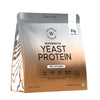 Biofermented Yeast Protein Isolate 31g | 500g | Unflavoured
₹1,699 – ₹3,199