Your glow isn’t just a surface highlight. It is a biological reflection of how healthy, hydrated and well-supported your skin cells are from within. Most people chase glow through skincare, but radiance actually starts much deeper.
Every bit of brightness you see on the surface is shaped by what happens inside the cell: how well it repairs, how much collagen it builds, and how protected it is from daily stress.
This is where nutrients like Vitamin C become essential. When your internal Vitamin C levels are steady, your skin naturally looks fresher, clearer and more illuminated. But here’s the part most people miss:
Even if you eat well or use Vitamin C serums, your glow can still fade if your cells lose more Vitamin C than they receive.
And that brings us to the real problem…
Why Your Glow Fades
Your skin interacts with hundreds of stressors every day.
Blue light, traffic pollution, late-night work, heat, sugar, and lack of sleep all push your cells into oxidative stress.
When that happens, your body uses up its Vitamin C reserves at a much faster rate.
And since humans cannot produce Vitamin C internally, even small daily stressors can leave your cells running low.
Most adults need around 75–100 mg of Vitamin C per day, but real life quickly increases that requirement. Stress, inflammation, and environmental damage use up Vitamin C faster than your diet can supply it, unless you're intentionally replenishing.
Low Vitamin C often shows up as:
• Dullness
• Uneven tone
• Slower repair
• Fine lines
• Dry patches
• Skin tiredness despite good skincare
All of these are signals of internal depletion, not just topical neglect.
When daily stress steals Vitamin C from your cells, your glow fades. Replenishing it becomes essential for bright, resilient skin.
Vitamin C’s Cellular Role: The Science Behind Bright, Resilient Skin
Vitamin C is one of the few nutrients that works at every level of skin health. Inside the cell, it behaves like a multitasker that keeps your glow switched on.
Here’s how it acts:
1. Collagen Builder
Vitamin C activates prolyl hydroxylase and lysyl hydroxylase, the two key enzymes responsible for stabilizing and cross-linking new collagen fibers. These enzymes cannot function without Vitamin C as a cofactor, which means collagen formation slows dramatically when levels drop. By powering these enzymes, Vitamin C supports stronger, tighter and more resilient skin architecture (NIH).
Studies show ascorbic acid stimulates up to a 12.4 percent increase in collagen fibroblast activity, helping skin look fuller and recover faster (NIH).
2. Anti-inflammatory Support
Vitamin C reduces pro-inflammatory molecules (IL-6, TNF-α) while boosting anti-inflammatory ones like IL-10, helping the skin stay calm under daily stress. This shift in the inflammatory balance supports clearer tone, faster healing and a more consistent glow (NIH).
One study demonstrated a 54 percent decrease in IL-6 (NIH) and a 200 percent increase in IL-10 (NIH), meaning it helps calm skin stress and supports a healthier, brighter complexion.
3. Antioxidant Shield
Vitamin C neutralizes free radicals by donating electrons that safely deactivate reactive oxygen species (ROS). This prevents oxidative stress from damaging collagen, elastin and pigment pathways at the mitochondrial and membrane level (NIH).
By restoring redox balance inside the cell, Vitamin C protects structural proteins and helps maintain a bright, even complexion.
4. Brightening and Pigment Balance
Vitamin C supports even melanin distribution by inhibiting tyrosinase, the key enzyme that triggers excess pigment production. It slows the conversion of tyrosine into melanin, helping prevent dark spots, uneven tone and patchiness caused by UV exposure and inflammation (NIH).
By keeping melanin pathways balanced, Vitamin C helps the skin reflect light more evenly, which is why Vitamin C Foods for Skin and vitamin c foods for skin whitening remain powerful tools for brightness and clarity.
Vitamin C-Rich Foods for Skin
Food-first nutrition is the foundation of radiance. Your body absorbs Vitamin C best through diverse sources consumed consistently.
Here are everyday foods that deliver powerful skin benefits, along with simple ways to include them daily:
1. Amla

Amla is one of the most concentrated natural sources of Vitamin C, known to support collagen formation and protect skin from oxidative stress. Its polyphenols and tannins offer deep antioxidant support that helps maintain brightness and firmness from within (NIH).
How to add it:
• Add 1 tbsp amla powder to morning water.
• Eat fresh amla slices with a pinch of salt.
• Add amla chutney to meals.
2. Citrus Fruits

Oranges, sweet lime and grapefruit deliver quick, bioavailable Vitamin C that the body absorbs efficiently. Their flavonoids support antioxidant defenses and help maintain an even skin tone (NIH).
How to add it:
• Have one citrus fruit mid-morning.
• Add lemon to salads or warm water.
• Use orange zest in smoothies.
3. Guava

Guava contains more Vitamin C than many popular fruits, making it a powerful addition to a glow-focused diet. Its fiber and carotenoids also support gut balance, which indirectly enhances skin clarity (NIH).
How to add it:
• Snack on half a guava in the evening.
• Add it to fruit salads or chia puddings.
4. Berries

Strawberries, blueberries and blackberries offer Vitamin C along with anthocyanins that support microcirculation and skin repair. They help reduce oxidative damage and improve overall skin luminosity (NIH).
How to add it:
• Blend them into a smoothie.
• Add on top of yogurt or oats.
• Freeze them for a cold, refreshing snack.
5. Bell Peppers

Red bell peppers contain more Vitamin C per gram than oranges and also provide carotenoids that help protect the skin barrier. They support collagen formation and may help reduce early signs of dullness (NIH).
How to add it:
• Add sliced peppers to wraps or bowls.
• Lightly stir-fry with olive oil.
• Add to omelettes for extra color and nutrition.
6. Tomatoes

Tomatoes offer Vitamin C paired with lycopene, a potent antioxidant that supports UV-resilience and skin texture. They help maintain collagen structure and even out the skin tone (NIH).
How to add it:
• Drink tomato juice in the morning.
• Add to salads, soups or fresh salsa.
• Use slow-roasted tomatoes for deeper flavor.
7. Leafy Greens

Spinach, kale and microgreens combine Vitamin C with iron, chlorophyll and folate for cellular regeneration. They support detox pathways and help maintain natural skin vibrancy (NIH).
How to add it:
• Add a handful to smoothies.
• Use as a base for lunch bowls.
• Stir into soups during the last few minutes.
A mix of fruits, vegetables and greens ensures consistent antioxidant, collagen-supporting and skin-brightening Vitamin C intake for a daily, natural glow.
When Food Isn’t Enough
Lifestyle pressure, long workdays, heat, travel and cooking methods can reduce your daily Vitamin C availability. Even with a good diet, many people fall short of optimal levels, especially during stressful weeks.
That’s when supplements help fill the gap without replacing food.
A daily supplement of Vitamin C supports:
• Skin repair
• Immune strength
• Collagen formation
• Brightness and tone
• Recovery from oxidative stress
A high-quality Vitamin C + Zinc supplement is one of the safest and most effective ways to support glow from within. Zinc helps your body absorb and utilize Vitamin C better, making the duo ideal if you're dealing with vitamin C deficiency symptoms like low energy, tired-looking skin, or delayed recovery.
Supplements provide steady support on days your diet or schedule can’t.
Build Long-Lasting Radiance From the Inside
Glow is not an accident. It is a daily investment your cells make when they receive enough Vitamin C, antioxidants, hydration and rest.
By combining Vitamin C Foods for Skin, smart routines and supportive supplements, you help your skin stay bright, firm and resilient. When your inner biology is nourished, your outer glow becomes effortless and long-lasting.
FAQs
1. Which Vitamin C Foods for Skin give the fastest glow?
Fruits like amla, guava, oranges and berries are among the most effective Vitamin C Foods for Skin because they offer high absorption and help support collagen. Including them daily may help brighten the skin more consistently.
2. Do vitamin C rich foods for skin whitening really work?
They may help. Vitamin C supports even melanin production by inhibiting tyrosinase, which can reduce dark spots and improve clarity. Consistent intake of vitamin c rich foods can support a more even and radiant complexion over time.
3. How much Vitamin C do I need daily for glowing skin?
Most adults need around 75 to 100 mg per day, but skin benefits often appear at higher intakes through food. Busy lifestyles, heat, stress and cooking losses can increase the need for Vitamin C.
4. Can I get enough Vitamin C for skin from food alone?
Many people can, but low intake, high stress, pollution and irregular meals may make it difficult to meet optimal levels. When diet falls short, vitamin c and zinc tablets can support collagen formation, brightness and skin repair.
5. What are the signs of Vitamin C deficiency on the skin?
Common signs include dullness, uneven tone, slow healing, dryness, pigmentation and early fine lines. If these appear despite good skincare, your skin may be signaling vitamin c deficiency.
6. What is better for skin: food sources or supplements?
Food is foundational because it contains antioxidants, fiber and micronutrients. Supplements help when the diet is inconsistent or during high-stress periods. A combination of both offers the most reliable glow support.
7. How long does it take to see Vitamin C benefits on the skin?
Visible improvements in brightness and hydration can appear in 2 to 4 weeks with consistent intake. Collagen-related changes take longer, typically 8 to 12 weeks, as supported by studies showing increased fibroblast activity and skin repair.

Recommended Products
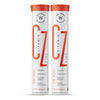 Organic Vitamin C + Zinc
₹758 – ₹2,035
Organic Vitamin C + Zinc
₹758 – ₹2,035