You can’t see oxidative stress, but your lungs feel it every day.
From traffic fumes and dust to smoke and seasonal changes, your respiratory system is constantly defending against invisible toxins.
Over time, this silent exposure wears down your lungs’ natural antioxidant defenses, especially glutathione, the molecule that keeps airways clear and inflammation in check.
When these reserves run low, even simple things like climbing stairs or recovering from a cold can start to feel heavier.
That’s where N-Acetylcysteine (NAC) comes in.
Science now recognizes NAC as one of the most researched and reliable compounds for respiratory resilience, helping you breathe easier in a world that rarely gives your lungs a break.
N-Acetylcysteine (NAC): The Cellular Shield
N-Acetylcysteine (NAC) is more than just an antioxidant supplement, it’s a molecular precursor your body uses to make glutathione, the master detox molecule.
Think of it as supplying your cells with raw material to rebuild their defense armor.
At a cellular level, NAC:
-
Replenishes glutathione in lung tissue, neutralizing free radicals.
Inside each cell, NAC provides cysteine, the rate-limiting amino acid needed to synthesize glutathione. This replenishment allows lung cells to neutralize reactive oxygen species before they can damage proteins, lipids, or DNA. It essentially restores redox balance within the alveolar environment.
-
Breaks down mucus, helping clear airways for smoother breathing.
NAC acts directly on disulfide bonds within mucus glycoproteins, making the mucus less sticky and easier to expel. This biochemical action helps cilia in the respiratory tract move more efficiently, clearing trapped pollutants and pathogens from the airways.
-
Reduces inflammation, protecting delicate alveolar membranes from oxidative damage.
By lowering intracellular oxidative stress, NAC downregulates pro-inflammatory cytokines and stabilizes epithelial cells lining the air sacs. This prevents oxidative injury, preserves membrane integrity, and supports smoother oxygen exchange at the cellular interface.
Research with NAC supplementation shows 32% decrease in inflammatory marker (IL-6) in just 4 weeks (NIH).
This makes NAC uniquely powerful; it doesn’t just mask symptoms; it supports the root of lung function: cellular detox and repair.
Beyond Breathing: NAC’s Role in Whole-Body Detox and Longevity

Your lungs may be the first to benefit from N-Acetylcysteine (NAC), but its impact doesn’t stop there. Because it fuels glutathione, the master antioxidant present in nearly every cell, NAC supports detoxification, metabolism, and repair throughout the body, from liver to mitochondria.
At its core, NAC helps your system reset from the inside out:
• Supports metabolic balance:
By reducing oxidative load and improving insulin sensitivity, NAC helps cells use glucose and fat more efficiently, contributing to steadier energy and better metabolic health. It enhances mitochondrial function, the engines that convert food into energy, preventing metabolic slowdown under stress (NIH).
• Promotes cellular longevity:
NAC’s antioxidant role limits DNA damage and protein misfolding, two key drivers of cellular aging. By maintaining a favorable redox state, it supports healthy cell signaling and prevents premature senescence, the point where cells stop dividing and start aging (NIH).
• Aids liver detox pathways:
The liver relies heavily on glutathione to neutralize toxins from food, medication, and environmental exposure. NAC helps regulate phase II detox enzymes, the ones responsible for binding toxins so they can be safely excreted (NIH).
• Protects neurological health:
Studies suggest NAC supports brain antioxidant defense, promoting clearer focus, better recovery from stress, and mood balance. By crossing the blood–brain barrier, NAC replenishes glutathione directly within neurons, protecting them from oxidative and inflammatory damage (NIH).
In essence, NAC acts like a metabolic multitasker, strengthening the same redox systems that keep your lungs clear, your energy stable, and your cells resilient against time.
When you care for your respiratory health, you’re not just breathing better, you’re supporting your body’s deepest longevity systems.
Lifestyle + Supplement Strategy
To make NAC’s benefits truly effective, pair it with simple, consistent habits that support respiratory balance:
1. Breathe consciously:
Practice deep belly breathing or pranayama to expand lung capacity and enhance oxygen delivery.
2. Hydrate well:
Water thins mucus and helps your airways stay clear.
3. Eat antioxidant-rich foods:
Include cruciferous vegetables, turmeric, green tea, and citrus fruits that naturally elevate glutathione.
4. Create clean air spaces:
Use indoor plants like peace lily or areca palm, and consider an air purifier if you live in high-traffic zones.
5. Supplement smartly:
For those who live in cities or have frequent respiratory exposure, a quality NAC supplement can provide the consistency diet alone can’t.
Choose a NAC formulation that delivers this cellular antioxidant in a pure, bioavailable form for daily lung defense and whole-body antioxidant balance.
Key Takeaways
Modern living continuously challenges your lungs with oxidative and environmental stress.
While you can’t always control the air you breathe, you can strengthen your body’s natural ability to handle it.
NAC for respiratory health is a science-backed way to do just that, supporting glutathione production, reducing inflammation, and keeping your respiratory system clear and resilient.
The goal isn’t to react when breathing becomes difficult.
It’s to protect your lungs daily, quietly, consistently, and at the cellular level.
Breathe cleaner, recover faster, and give your lungs the support they deserve.
FAQs
1. What is N-Acetylcysteine (NAC)?
N-Acetylcysteine (NAC) is a stable form of the amino acid cysteine that helps your body produce glutathione, a powerful antioxidant. It supports detoxification, lung function, and cellular repair.
2. How does NAC support respiratory health?
NAC works in respiratory health by replenishing glutathione in lung tissue, reducing oxidative stress, and thinning mucus for easier clearance. This helps the lungs breathe, detoxify, and recover efficiently.
3. Can NAC help with pollution or seasonal breathing issues?
Yes. NAC supports the body’s defense against oxidative damage caused by pollution, allergens, and smoke exposure. It helps neutralize free radicals and reduces airway irritation linked to poor air quality.
4. When is the best time to take NAC?
NAC is best taken after meals with water to improve absorption and minimize gastric sensitivity. Morning or midday dosing works well for daily antioxidant protection and energy balance.
5. Is NAC safe for long-term use?
Multiple clinical studies show N-Acetylcysteine is safe and well-tolerated when taken within recommended dosages. Mild side effects like nausea are rare and usually resolve with food intake.
6. Does NAC support other areas of health beyond the lungs?
Absolutely. NAC promotes metabolic balance, supports liver detoxification, and enhances cellular longevity by maintaining optimal glutathione levels throughout the body.
7. Can I combine NAC with other supplements?
Yes. NAC pairs well with antioxidants like vitamin C, curcumin, and alpha-lipoic acid, which enhance its effects on detoxification and immune balance. Always consult your healthcare provider before combining supplements.

Recommended Products
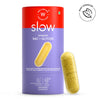 Slow Advanced N-Acetyl-Cysteine + Glycine Capsules
₹1,357 – ₹2,658
Slow Advanced N-Acetyl-Cysteine + Glycine Capsules
₹1,357 – ₹2,658