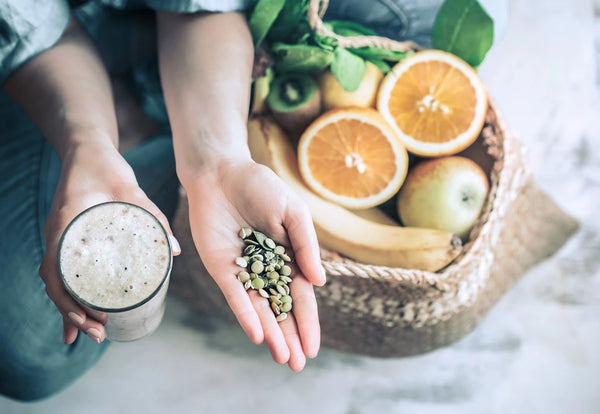
Your morning ritual is more than habit. It is hormonal programming. What you drink within the first hour of waking directly influences cortisol rhythm, insulin response, mitochondrial energy output, and even skin aging.
Enter the matcha drink. Not a trend. Not just green tea. A clinically interesting superleaf that behaves like a nootropic, antioxidant, and metabolic enhancer in one emerald scoop.
So what makes matcha different?
Matcha is made of shade-grown Japanese tea leaves that are stone-ground into a fine powder. Unlike regular tea where leaves are steeped and discarded, matcha lets you ingest the entire leaf. This delivers:
✔ 137x more antioxidants than regular green tea (NIH)
✔ L-theanine for alpha brain waves (calm focus)
✔ Slow-release caffeine without adrenal crashes
And the matcha flavor? Umami-rich, subtly sweet, earthy. A taste profile that pairs beautifully with milk, fruits, and functional ingredients.
Here are 5 science-smart matcha drinks to help you start your day sharper, calmer, and glowing.
1. Classic Zen Matcha Latte

This is your brain’s favorite warm hug. L-theanine + caffeine create sustained alertness without overstimulation. L-theanine increases alpha brain waves, associated with relaxed focus. When paired with caffeine, it improves attention span, memory retention, and reaction time without jitters.
Ingredients:
• 1 tsp ceremonial matcha
• 60 ml hot water (not boiling)
• 150 ml oat or almond milk
• Optional: raw honey
Method:
Whisk matcha with hot water until frothy. Warm milk separately and combine. Sweeten if needed. Matcha polyphenols reduce oxidative stress. Plant milk provides MCTs and fats for sustained energy release.
2. Tropical Matcha Cooler

This is hydration with a glow-up. Electrolytes meet antioxidants to keep energy stable and skin plump. Coconut water restores sodium, potassium, and magnesium lost overnight. Matcha EGCG improves fat oxidation and metabolic flexibility.
Ingredients:
• 1 tsp matcha
• 200 ml coconut water
• Pineapple chunks
• Ice
Method:
Blend everything until smooth. Supports hydration, digestion, and mitochondrial energy production.
3. Matcha Protein Shake

This is breakfast that actually works. Stable blood sugar = stable mood and focus. Protein slows glucose absorption. Matcha improves insulin sensitivity and increases fat-burning during movement.
Ingredients:
• 1 tsp matcha
• 1 scoop plant protein
• 1 banana
• Almond milk
• Chia seeds
Method:
Blend until creamy. Prevents mid-morning crashes and supports muscle recovery.
4. Matcha Collagen Glow Latte

This is skincare in a cup. Cellular repair starts internally. Collagen peptides provide amino acids (glycine, proline) required for skin elasticity, joint cushioning, and hair strength. Matcha antioxidants protect collagen fibers from oxidative breakdown.
Ingredients:
-
1 scoop collagen
-
1 tsp matcha
-
150 ml warm plant milk
Method:
Whisk everything until frothy.
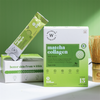
People often ask: is matcha collagen good? The answer depends on the formulation, and Wellbeing Nutrition Matcha Collagen is designed with precise ingredient doses to deliver real benefits.
✔ 8g of Hydrolyzed Marine Collagen Peptides per serving – This highly bioavailable Type I & III fish collagen (<1000 Daltons) supports skin firmness, elasticity, hydration, and joint health.
✔ 1.8g of Ceremonial-Grade Japanese Matcha – Rich in EGCG and L-theanine, offering antioxidant protection, clean energy, and calm focus without caffeine crashes.
✔ Acerola Cherry & Vitamin C – Key cofactors that enhance the body’s natural collagen synthesis, improving texture and glow.
✔ L-Theanine – Promotes mental clarity and reduces oxidative stress.
✔ Zero sugar, zero fillers, clean label – A supplement you can add to your morning matcha drink without unnecessary additives.

If your goal is glow from within, this is your drink.
5. Iced Matcha Citrus Refresher

This is sunshine for your cells. Vitamin C enhances iron absorption from matcha. EGCG activates thermogenesis and fat oxidation.
Ingredients:
• 1 tsp matcha
• Fresh orange juice
• Sparkling water
• Ice
Method:
Mix matcha with juice. Top with sparkling water. Boosts metabolism and hydration.
How To Choose Quality Matcha
Not all green powders deserve the name matcha. True ceremonial-grade matcha follows strict cultivation and processing standards.
Check these quality markers:
• Vibrant emerald green color – Indicates high chlorophyll from shade-growing
• Japanese origin – Authentic matcha is traditionally sourced from Uji, Nishio, or Kyoto
• Stone-ground processing – Preserves antioxidants and texture
• Naturally smooth taste – No bitterness or astringent aftertaste
• Fine, silky texture – Should feel like talc, not sand
• Fresh grassy aroma – Signals minimal oxidation
• First-harvest leaves – Younger leaves = higher L-theanine
• Air-tight packaging – Protects from light and moisture
If it tastes fishy, dull, or muddy, it’s oxidized. Skip it.
Final Thoughts
Your morning beverage is a daily vote for the kind of body and brain you want to build. A matcha drink isn’t just trendy. It’s evidence-backed, ancient, and wildly effective.
And if you want beauty to show up on your skin, hair, and joints, matcha with collagen benefits make it a smart upgrade.
FAQs
1. What is a matcha drink and how is it different from green tea?
A matcha drink is made using finely powdered whole green tea leaves, unlike regular green tea where leaves are steeped and discarded. This allows you to consume the entire leaf, delivering significantly higher antioxidants, L-theanine, and sustained caffeine for long-lasting energy.
2. What is matcha made of?
Matcha is made of shade-grown Japanese green tea leaves that are stone-ground into a fine powder. The shading process increases chlorophyll and L-theanine, enhancing both nutrient density and flavor.
3. What does matcha flavor taste like?
Matcha flavor is naturally umami-rich, mildly sweet, and earthy with grassy undertones. High-quality ceremonial matcha should taste smooth and creamy, never bitter or astringent.
4. Is matcha collagen good for skin and hair?
Yes, is matcha collagen good depends on formulation. Well-formulated blends like Wellbeing Nutrition Matcha Collagen provide hydrolyzed marine collagen, vitamin C, and antioxidants that support skin elasticity, hair strength, and joint health from within.
5. Can you add collagen to matcha?
Yes, can you add collagen to matcha safely. Collagen peptides dissolve easily in warm liquids without altering taste, making matcha an ideal carrier for daily collagen supplementation.
6. Is matcha collagen vegan?
No, is matcha collagen vegan is a common question. Collagen is derived from animal sources such as marine fish, so it is not vegan. Vegans can opt for collagen-boosting nutrients like vitamin C and amino acids instead.
7. What are the main matcha with collagen benefits?
Matcha with collagen benefits include improved skin hydration, reduced fine lines, stronger hair, joint support, antioxidant protection, and enhanced cellular repair due to the synergy between EGCG and collagen peptides.