7 Essential Herbs to Soothe Burning Stomach Fast
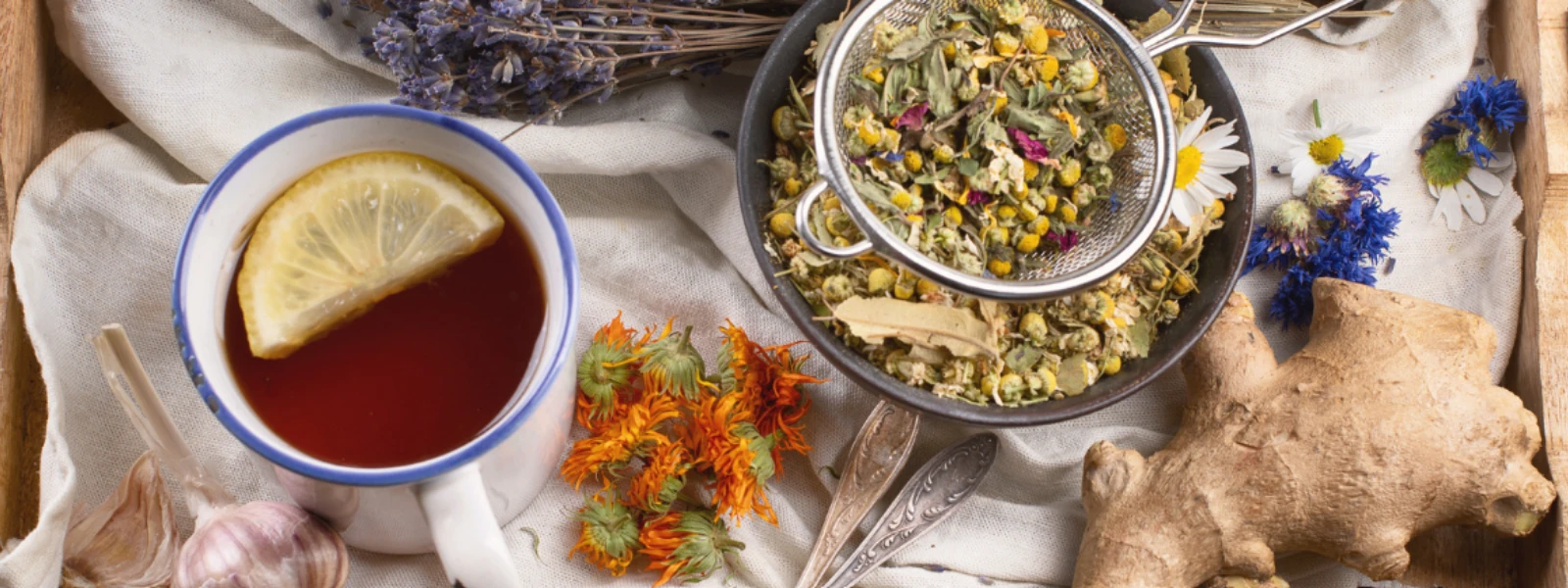


Stomach burning affects millions of people worldwide, with studies showing that over 60% of adults experience digestive discomfort at least once a week. This burning sensation, often accompanied by acid reflux or gastritis, can significantly impact daily life and overall well-being. While conventional treatments exist, many people are turning to natural solutions for relief.
The question "Do gut-soothing herbs reduce burning stomach?" has a resounding yes from both traditional medicine and modern research. These powerful plant allies work through multiple mechanisms to calm inflammation, protect the stomach lining, and restore digestive balance. This comprehensive guide explores seven essential herbs that can provide both immediate relief and long-term stomach health support.
By understanding how these natural remedies work and implementing them correctly, you can take control of your digestive health and find lasting relief from stomach burning. Each herb offers unique benefits, and when used strategically, they create a powerful toolkit for digestive wellness.
Gut-soothing herbs work through several scientifically-proven mechanisms to reduce burning stomach symptoms. These natural compounds contain anti-inflammatory properties that help calm irritated stomach tissues and reduce the production of inflammatory mediators that contribute to pain and discomfort.
Many digestive herbs contain mucilage, a gel-like substance that forms a protective coating over the stomach lining. This natural barrier shields sensitive tissues from stomach acid and allows healing to occur. Research published in the Journal of Ethnopharmacology demonstrates that mucilaginous herbs can significantly reduce gastric inflammation and promote tissue repair.
The pH-balancing properties of certain herbs help neutralize excess stomach acid naturally. Unlike synthetic antacids that can disrupt the digestive process, herbal remedies for stomach issues work gently to restore optimal acid levels while supporting overall digestive function.
Studies show that herbal compounds can also stimulate the production of protective prostaglandins, which help maintain the stomach's natural defense mechanisms. This dual action of protection and healing makes gut health herbs particularly effective for both acute relief and long-term stomach health maintenance.
Chamomile stands out as one of the most gentle yet effective herbs for stomach burning relief. Its active compounds, including apigenin and bisabolol, provide powerful anti-inflammatory and antispasmodic properties that calm digestive upset without harsh side effects.
Research indicates that chamomile can reduce gastric acid production while promoting healing of the stomach lining. The herb's mild sedative properties also help address stress-related digestive issues, making it particularly beneficial for those whose stomach burning worsens during stressful periods.
To prepare chamomile tea, steep one tablespoon of dried flowers in hot water for 10-15 minutes. Drink this soothing tea 30 minutes before meals or when experiencing stomach discomfort. The gentle nature of chamomile makes it safe for regular use as part of your gut health herbs routine.
Ginger's reputation as a digestive aid spans thousands of years, and modern science confirms its effectiveness for stomach burning relief. The active compounds gingerols and shogaols provide potent anti-inflammatory effects while stimulating healthy digestive function.
Clinical studies demonstrate that ginger can reduce gastric inflammation and improve gastric motility, helping food move through the digestive system more efficiently. This action prevents food from lingering in the stomach and producing excess acid that contributes to burning sensations.
Fresh ginger root can be grated into hot water to make tea, or you can chew small pieces of fresh ginger for immediate relief. Start with small amounts, as ginger's warming properties can be intense for some people. Those taking blood-thinning medications should consult healthcare providers before using ginger regularly.
Licorice root contains unique compounds that make it exceptionally effective for stomach burning relief. The herb's glycyrrhizin content helps increase the production of protective mucus in the stomach while reducing inflammation and promoting healing of damaged tissues.
Deglycyrrhizinated licorice (DGL) is often preferred for stomach issues because it removes the compound that can affect blood pressure while retaining the digestive benefits. DGL tablets should be chewed before meals to allow the herb to coat the stomach lining effectively.
Research shows that licorice root can help heal gastric ulcers and reduce symptoms of gastritis. However, whole licorice root should be used cautiously and for limited periods due to potential effects on blood pressure and potassium levels.
Marshmallow root's high mucilage content makes it one of the most effective stomach cleanse herbs for creating a protective barrier against acid irritation. This natural coating action provides immediate relief while supporting the stomach's healing processes.
The polysaccharides in marshmallow root form a soothing gel when mixed with water, creating an ideal delivery system for stomach protection. Unlike synthetic coating agents, marshmallow root provides nutrients that support tissue repair and regeneration.
For best results, prepare marshmallow root as a cold infusion by soaking the dried root in room temperature water for several hours. This method preserves the delicate mucilage compounds that provide the herb's protective benefits. Strain and drink this preparation between meals for optimal stomach coating.
Slippery elm bark contains some of the highest concentrations of mucilage found in any herb, making it exceptionally effective for stomach burning relief. This North American native tree provides a thick, protective coating that can neutralize excess acid while promoting healing.
The herb's tannin content adds astringent properties that help tighten and tone stomach tissues, supporting the natural healing process. Slippery elm also provides nutrients that nourish the digestive system and support overall gut health.
Mix slippery elm powder with warm water to create a smooth paste, then add more water to achieve a drinkable consistency. Take this mixture 30 minutes before meals or when experiencing stomach discomfort. The sustainable harvesting of slippery elm is important, so choose products from reputable suppliers committed to ethical sourcing.
Fennel's distinctive anise-like flavor comes from compounds that provide excellent digestive support and natural heartburn relief. The herb's antispasmodic properties help relax stomach muscles and reduce cramping, while its carminative effects help eliminate gas and bloating.
The volatile oils in fennel, particularly anethole, help stimulate healthy digestive secretions while reducing inflammation in the digestive tract. This dual action makes fennel particularly effective for those experiencing stomach burning along with other digestive symptoms.
Fennel seeds can be chewed directly after meals or brewed into tea. Crushing the seeds slightly before brewing releases more of the beneficial oils. Fennel tea is gentle enough for regular use and provides additional benefits for overall digestive health.
Peppermint's cooling menthol content provides immediate relief from stomach burning while supporting healthy digestive function. The herb's antispasmodic properties help relax the smooth muscles of the digestive tract, reducing cramping and discomfort.
Research shows that peppermint can help reduce gastric inflammation and improve digestive motility. However, those with gastroesophageal reflux disease (GERD) should use peppermint cautiously, as it can relax the lower esophageal sphincter and potentially worsen reflux symptoms.
Enteric-coated peppermint capsules deliver the herb's benefits directly to the stomach and intestines, bypassing potential issues with esophageal relaxation. Fresh peppermint leaves can also be brewed into tea for a gentler approach to digestive support.
Did You Know?
The mucilage in herbs like marshmallow root and slippery elm can absorb up to 100 times their weight in water, creating a protective gel that can coat and soothe the entire digestive tract for hours after consumption.
The effectiveness of gut-soothing herbs depends largely on proper preparation and timing. Different herbs require specific preparation methods to maximize their beneficial compounds and ensure optimal absorption by the digestive system.
Teas remain the most traditional and often most effective way to consume digestive herbs. The warm water helps extract water-soluble compounds while the act of sipping slowly allows the herbs to begin working immediately upon contact with the digestive tract. Steep most herbs for 10-15 minutes in covered containers to prevent the loss of volatile oils.
Tinctures offer concentrated herbal extracts that provide quick absorption and easy dosing. These alcohol-based preparations preserve both water and alcohol-soluble compounds, often making them more potent than teas. However, those avoiding alcohol should look for glycerin-based tinctures or stick to tea preparations.
Timing plays a crucial role in herbal effectiveness. Protective herbs like marshmallow root and slippery elm work best when taken 30 minutes before meals, allowing them to coat the stomach before food and acid production increase. Anti-inflammatory herbs like chamomile and ginger can be taken after meals to support digestion and reduce inflammation.
Quality sourcing ensures you receive the full benefits of herbal remedies for stomach issues. Look for organic certifications, third-party testing, and reputable suppliers who provide detailed information about their sourcing and processing methods. Standardized extracts guarantee consistent potency, while whole herbs offer the full spectrum of plant compounds.
Developing an effective herbal protocol requires understanding your specific triggers and symptoms. Keep a detailed journal tracking when stomach burning occurs, potential dietary or stress triggers, and which herbs provide the most relief. This information helps you customize your approach for maximum effectiveness.
Start with one herb at a time to assess individual responses and identify any sensitivities. Begin with gentle options like chamomile or marshmallow root before progressing to stronger herbs like ginger or licorice root. This gradual approach allows your system to adapt while helping you identify the most effective herbs for your needs.
For acute symptoms, focus on immediate relief herbs like ginger or peppermint that work quickly to reduce discomfort. For chronic issues, emphasize protective and healing herbs like licorice root and slippery elm that address underlying inflammation and support long-term stomach health.
Combination protocols often provide superior results compared to single herbs. Consider pairing protective herbs with anti-inflammatory options, such as combining marshmallow root with chamomile, or using ginger with fennel for comprehensive digestive support. Monitor your response to combinations and adjust ratios based on effectiveness.
The effectiveness of gut detox herbs increases significantly when combined with supportive lifestyle practices. Dietary modifications that reduce inflammatory foods while emphasizing healing nutrients create an optimal environment for herbal remedies to work effectively.
Stress management plays a crucial role in stomach health, as chronic stress increases acid production and reduces the stomach's natural protective mechanisms. Incorporate stress-reduction techniques like meditation, deep breathing, or gentle yoga alongside your herbal protocol for comprehensive digestive support.
Proper hydration supports the mucilaginous properties of protective herbs while helping maintain optimal digestive function. Drink adequate water throughout the day, but avoid large amounts with meals to prevent diluting digestive enzymes and stomach acid needed for proper digestion.
Quality sleep allows the digestive system to repair and regenerate, enhancing the healing effects of stomach cleanse herbs. Establish consistent sleep schedules and create a calming bedtime routine that may include gentle herbal teas like chamomile to support both sleep and digestive health.
Most people experience some relief within 15-30 minutes when using fast-acting herbs like ginger or peppermint. Protective herbs like marshmallow root and slippery elm provide immediate coating relief, while anti-inflammatory herbs may take several days of consistent use to show full benefits. For chronic conditions, expect 2-4 weeks of regular use for significant improvement.
Yes, combining compatible herbs often enhances effectiveness. Protective herbs like marshmallow root pair well with anti-inflammatory options like chamomile. However, start with one herb to assess individual responses, then gradually add others. Avoid combining stimulating herbs like ginger with large amounts of cooling herbs like peppermint, as they may counteract each other's effects.
Some herbs are safe during pregnancy while others should be avoided. Chamomile and ginger in moderate amounts are generally considered safe, but licorice root and peppermint should be used cautiously. Always consult with healthcare providers before using any herbal remedies during pregnancy or breastfeeding, as individual circumstances vary.
Acute treatment focuses on immediate symptom relief using fast-acting herbs like ginger or peppermint. Chronic treatment emphasizes healing and protection with herbs like licorice root and slippery elm used consistently over time. Chronic conditions often require addressing underlying causes through comprehensive protocols combining multiple herbs with lifestyle modifications.
Effective herbs should reduce burning intensity and frequency within the first week of use. You may notice decreased need for conventional antacids, improved digestion, and better tolerance of previously problematic foods. Keep a symptom journal to track improvements objectively, and expect gradual progress rather than immediate complete relief for chronic conditions.
Gut-soothing herbs offer a powerful, natural approach to reducing burning stomach symptoms while supporting long-term digestive health. The seven essential herbs outlined in this guide each provide unique mechanisms of action, from protective coating to anti-inflammatory effects, creating a comprehensive toolkit for stomach relief.
Success with herbal remedies requires patience, consistency, and proper implementation. Start with gentle herbs like chamomile or marshmallow root, gradually building your protocol based on individual responses and specific needs. Remember that these natural solutions work best when combined with supportive lifestyle practices including stress management, proper hydration, and mindful eating habits.
The journey to digestive wellness through natural means empowers you to take control of your health while working with your body's innate healing mechanisms. Whether dealing with occasional stomach burning or chronic digestive issues, these time-tested herbs provide safe, effective options for achieving lasting relief and optimal gut health.




Someone sent you
Powered by ReferRush


