


If bloating, sluggish digestion, or low immunity have become a part of your daily life, chances are your gut microbiome is trying to get your attention. And while the wellness world keeps throwing around terms like probiotics and prebiotics, very few people actually understand the difference between them.
This guide breaks it down in the simplest, most practical way, so you know exactly what your gut needs, when to take it, and why combining the two may be the smartest thing you do for your health.
What Are Probiotics?
Probiotics are live, beneficial bacteria that naturally live in your gut. Think of them as the “good guys” that help maintain balance, protect your gut lining, and support smooth digestion.
When your gut environment gets disturbed, because of antibiotics, stress, processed foods, low sleep, or infections, these good bacteria need reinforcement.
That’s where probiotic tablets or probiotic capsules step in.
Benefits of probiotics are:
1. Improved Digestion & Reduced Bloating

Probiotics help break down food more efficiently, reducing undigested particles in the gut. This lowers gas formation and minimises fermentation. Results are smoother digestion, less bloating, and a lighter gut feel (NIH).
2. Stronger Immunity

Almost 70% of your immune system resides in your gut microbiome. Probiotics strengthen this ecosystem, helping your body fight pathogens better. You experience fewer infections, faster recovery, and overall better defence (NIH).
3. Better Nutrient Absorption

Probiotics help your body break down and utilise nutrients more effectively. They improve absorption of vitamins, minerals, proteins, and amino acids. This leads to higher energy, better cellular function, and improved overall health (NIH).
4. Healthier Skin

A balanced gut reduces systemic inflammation, a key trigger for acne and dullness. Probiotics help regulate the gut–skin axis, improving barrier function. You get clearer, calmer, more radiant-looking skin (NIH).
5. Mood & Cognitive Support

Your gut produces nearly 90% of your serotonin, the “feel-good” hormone. Probiotics support this gut-brain connection by improving microbiome balance. This results in better mood stability, reduced anxiety, and sharper focus (NIH).
Probiotics naturally occur in several fermented foods such as yogurt, kefir, kimchi, sauerkraut, and fermented pickles, all of which contain live cultures that support gut health.
However, relying solely on food sources often isn’t enough to meet daily probiotic needs, especially with modern diets and lifestyle stressors. That’s why many people prefer probiotic tablets, probiotic capsules, or drinkable probiotic shots, which provide a consistent, high-quality dose of beneficial bacteria in the most convenient form.
To ensure maximum survival of these beneficial bacteria:
✔️ Take probiotics on an empty stomach
✔️ Either 30 minutes before breakfast or right before bed
Lower stomach acidity during these times ensures more bacteria reach your intestines alive.
What Are Prebiotics?
If probiotics are the good bacteria, prebiotics are the food that feeds that good bacteria. They are a type of non-digestible dietary fibre that your body cannot break down, but your gut bacteria can.
In other words:
Probiotics = the guests & Prebiotics = the meals that keep those guests happy
Without prebiotics, probiotics cannot grow, multiply, or function well.
Benefits of prebiotics are:
1. Better Bowel Regularity

Prebiotics add bulk and softness to stool, making bowel movements smoother. They enhance gut motility and promote a more consistent digestive rhythm. This reduces constipation, discomfort, and irregularity over time (NIH).
2. Increase in Good Bacteria Naturally

Prebiotics act as nourishment for the healthy bacteria already living in your gut. They help these beneficial microbes grow, multiply, and strengthen your microbiome. This creates a more balanced and resilient gut environment (NIH).
3. Reduced Cravings & Better Appetite Control

Prebiotic fibre supports steadier blood sugar levels throughout the day. It slows digestion, helping you stay full for longer and avoid energy crashes. This naturally reduces cravings and supports healthier appetite control (NIH).
4. Lower Inflammation

A fibre-rich gut environment helps reduce harmful bacterial activity. This lowers the production of inflammatory compounds in the intestines. As a result, you experience less bloating, irritation, and systemic inflammation (NIH).
5. Long-Term Digestive Strength

Prebiotics help strengthen the gut lining and support a healthier intestinal barrier. They promote a more diverse microbiome, which is essential for long-term gut function. This leads to better digestion, resilience, and overall digestive wellbeing (NIH).
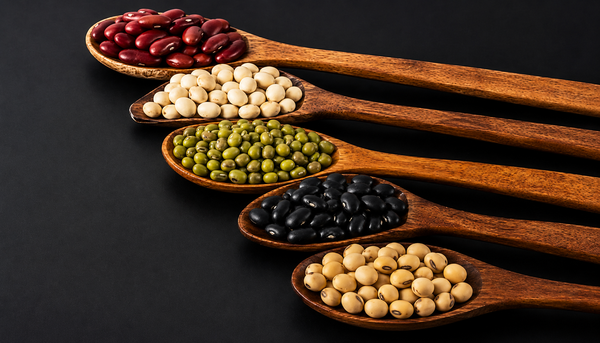
Prebiotics are naturally found in everyday fibre-rich foods such as bananas, oats, garlic, onions, apples, and legumes, all of which help nourish the good bacteria in your gut.
They are also available through supplement-based sources including Dietary Fibre Supplements, prebiotic powders, and blends that combine both prebiotics and probiotics for enhanced gut support.
Prebiotics are incredibly flexible, you can take them any time of the day, with or without food. They’re gentle on the gut, and because they function as fibre, they continue working steadily throughout the day to support digestion and nourish your good bacteria.
Prebiotic vs Probiotic: What’s the Difference?
Here’s the simplest, clearest breakdown:
|
Prebiotics |
Probiotics |
|
Non-digestible fibres |
Live beneficial bacteria |
|
Feed good gut bacteria |
Add new good bacteria |
|
Found in fibre-rich foods & Dietary Fibre Supplements |
Found in fermented foods & probiotic supplements |
|
Support the growth of probiotics |
Support digestion, immunity, skin, and mood |
|
Work in the colon |
Work throughout the gut |
|
Best taken anytime |
Best taken empty stomach |
Think of your gut as a garden where probiotics act as the seeds and prebiotics serve as the fertiliser, and together they create a thriving, resilient gut ecosystem.
Do You Need Prebiotics or Probiotics?
The answer depends on your gut goals:
Choose Probiotics If You Want To:
-
Reduce bloating
-
Improve digestion
-
Restore gut balance after antibiotics
-
Strengthen immunity
-
Improve skin health
Choose Prebiotics If You Want To:
-
Improve bowel regularity
-
Support long-term digestive wellness
-
Increase natural gut bacteria
-
Reduce cravings and improve metabolism
Choose Both If You Want:
-
Total gut repair
-
Strong immunity
-
Less bloating + better digestion
-
Consistent energy
-
Better nutrient absorption
-
A healthier microbiome overall
Most people benefit from both, because modern diets rarely support an optimal gut environment.
Conclusion
Probiotics and prebiotics are different, but equally essential. One adds healthy bacteria, the other nourishes them. And when taken together, they help your gut thrive at its absolute best.
Whether you’re struggling with bloating, irregular digestion, poor immunity, low energy, or skin issues, strengthening your gut microbiome is one of the most powerful changes you can make.
A premium probiotic and prebiotic supplement can help you do exactly that easily, effectively, and consistently.
FAQs
1. What is the difference between prebiotics and probiotics?
Probiotics are live good bacteria that support digestion, immunity, and gut balance. Prebiotics are non-digestible fibres that feed and strengthen these good bacteria.
Together, they help create a healthier and more resilient gut microbiome.
2. Which is better: prebiotics or probiotics?
Neither is “better”, they serve different roles. Probiotics add good bacteria, while prebiotics nourish them. For most people, a combined supplement offers the best digestive and immunity benefits.
3. Can I take prebiotics and probiotics together?
Yes, absolutely. Taking them together creates a synbiotic effect, where probiotics survive better and prebiotics help them multiply. This leads to faster relief from bloating, better digestion, and improved gut health.
4. What is the best time to take probiotics?
For maximum survival of beneficial bacteria, take probiotics on an empty stomach,
either 30 minutes before breakfast or right before bed. This helps more bacteria reach your intestines alive.
5. When should I take prebiotics?
Prebiotics are flexible and can be taken any time of the day, with or without food. They function as dietary fibre and work steadily throughout the day. This makes them easy to include in your daily gut-health routine.
6. Do prebiotics help with bloating and constipation?
Yes. Prebiotics add bulk and softness to stool, improve gut motility, and support smoother bowel movements. They also reduce inflammation, helping ease bloating and digestive discomfort.
7. Do I need a supplement if I eat foods rich in prebiotics and probiotics?
Food sources are beneficial but often not enough in today’s fast-paced lifestyle. A probiotic capsule, tablet, or dietary fibre supplement provides consistent, clinically effective support. Supplements help maintain a balanced gut microbiome even when your diet isn’t perfect.

Recommended Products
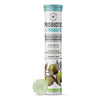 Probiotic + Prebiotic
₹664 – ₹3,355
Probiotic + Prebiotic
₹664 – ₹3,355
 Daily Probiotic Slow
₹1,357 – ₹2,658
Daily Probiotic Slow
₹1,357 – ₹2,658
 Disney Frozen Probiotic
₹519 – ₹1,038
Disney Frozen Probiotic
₹519 – ₹1,038
 Healthy Gut
₹649 – ₹1,298
Healthy Gut
₹649 – ₹1,298
 Marvel Active Probiotic
₹519 – ₹1,038
Marvel Active Probiotic
₹519 – ₹1,038
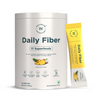 Daily Fiber | Pina Colada Flavour
₹872 – ₹1,708
Daily Fiber | Pina Colada Flavour
₹872 – ₹1,708
 Daily Fiber | Vanilla Berry Flavour
₹872 – ₹1,708
Daily Fiber | Vanilla Berry Flavour
₹872 – ₹1,708












Leave a comment