


You may not feel older. But your gut might be aging faster than you think.
Digestive changes rarely happen overnight. They build quietly. Mild bloating becomes frequent. Bowel movements become inconsistent. Food sensitivities appear out of nowhere. Energy dips after meals. Immunity feels less robust.
These are not random inconveniences. They are often early signs of an aging gut.
Emerging research in microbiome science shows that gut aging can begin decades before visible aging. The diversity of your gut bacteria shifts. Beneficial strains decline. Inflammatory microbes may gain ground. Digestive enzyme production reduces. Gut lining integrity weakens. Over time, this affects microbiome health, gut resilience, and digestive longevity.
The good news is that premature gut aging is not inevitable. If you are wondering how to improve gut longevity, the answer lies in small, consistent daily habits.
Let us explore what accelerates gut aging and the five daily habits for healthy microbiome balance that may slow it down.
What Is Gut Aging and Why Does It Matter?
Gut aging refers to structural and functional changes in the gastrointestinal system over time. It includes:
-
Reduced microbial diversity
-
Slower gut motility
-
Lower stomach acid production
-
Decline in digestive enzyme output
-
Increased intestinal permeability
-
Impaired nutrient absorption
A youthful gut is flexible and resilient. It tolerates diverse foods, maintains regular bowel movement, and efficiently absorbs nutrients. An aging gut becomes reactive, sluggish, and less adaptive.
This decline does not only affect digestion. Strong microbiome health supports immunity, metabolic balance, inflammation control, mood regulation, and even cognitive clarity. Protecting digestive longevity is central to overall healthspan.
Hidden Drivers of Premature Gut Aging
Many people associate gut aging purely with chronological age. In reality, lifestyle patterns often accelerate it.
1. Poor Diet Diversity

One of the strongest predictors of healthy microbiome composition is plant diversity. Diets low in fiber and high in refined carbohydrates reduce beneficial bacteria. Repetitive food choices shrink microbial variety, reducing gut resilience.
High search topics such as “how to improve gut health naturally” consistently highlight fiber diversity for a reason. The microbiome thrives on variety.
2. Chronic Stress and Cortisol Elevation

Long term stress directly alters microbial balance. Cortisol influences gut permeability, reduces beneficial bacteria, and promotes inflammatory signaling. Chronic stress is a powerful yet underestimated accelerator of gut aging.
3. Overuse of Antibiotics

Antibiotics can be life saving. However, repeated exposure significantly disrupts microbial diversity. In some individuals, recovery of microbiome health may take months or longer.
4. Ultra Processed Foods

Highly processed foods lack prebiotic fiber and often contain additives that may influence gut barrier integrity. Diets dominated by packaged foods are strongly associated with reduced digestive longevity.
5. Sedentary Lifestyle

Physical inactivity slows peristalsis, the rhythmic muscle contractions that move food through the gut. Research shows exercise increases beneficial bacterial strains and improves gut resilience.
6. Poor Sleep and Circadian Disruption

Sleep deprivation alters microbial composition within days. Late night eating disrupts the gut’s natural repair cycles. Circadian rhythm is closely tied to digestive longevity.
7. Low Protein Intake

Inadequate protein affects gut lining repair. The intestinal barrier renews rapidly and requires sufficient amino acids for maintenance.
8. Environmental Toxins and Pollutants

Emerging research suggests pesticide residues and environmental toxins can influence microbiome composition and inflammatory signaling pathways, potentially contributing to premature gut aging.
Recognizing these factors helps you address root causes rather than only symptoms like bloating or constipation.
Now let us focus on practical daily habits for healthy microbiome function.
5 Daily Habits That May Slow Gut Aging
1. Increase Fiber and Plant Diversity

If you search “best foods for gut health” or “how to improve gut longevity,” fiber consistently appears at the top.
Fiber acts as fuel for beneficial gut bacteria. A fiber rich diet supports microbial diversity and short chain fatty acid production, both essential for gut resilience.
Aim to include:
-
Leafy greens
-
Cruciferous vegetables
-
Lentils and legumes
-
Oats and whole grains
-
Nuts and seeds
-
Seasonal fruits
Rotating foods weekly supports broader microbiome exposure. Diversity strengthens digestive longevity.
2. Add Fermented and Probiotic Foods

Fermented foods are among the most searched strategies for improving microbiome health.
Examples include:
-
Curd
-
Buttermilk
-
Fermented vegetables
-
Kefir
These introduce beneficial bacteria and support gut microbial balance. Consistent intake strengthens gut resilience and may reduce common signs of an aging gut such as bloating and irregular bowel movement.
3. Support Digestive Enzyme Efficiency

Digestive enzyme production declines gradually with age. This contributes to heaviness after meals and slower digestion.
To improve enzyme efficiency:
-
Chew thoroughly
-
Avoid overeating
-
Maintain regular meal timing
-
Avoid constant snacking
Natural enzyme containing foods such as papaya and kiwi may assist protein digestion. Supporting enzyme activity protects digestive longevity.
4. Move Daily to Stimulate Gut Motility

Exercise is strongly linked to improved microbiome health.
Even moderate movement:
-
Enhances gut motility
-
Increases beneficial bacteria
-
Reduces inflammation
-
Improves bowel regularity
Thirty minutes of brisk walking, yoga, or resistance training supports both metabolic health and gut resilience.
If you are exploring “daily habits for healthy microbiome,” physical movement is non negotiable.
5. Protect Sleep and Manage Stress

Sleep and stress directly influence gut aging.
To protect digestive longevity:
-
Sleep 7 to 8 hours consistently
-
Maintain fixed sleep and meal times
-
Practice breathwork or meditation
-
Reduce late night screen exposure
Stress reduction enhances microbiome balance and strengthens gut barrier integrity.
Additional Strategies to Improve Gut Longevity
Beyond the core five habits, consider these supportive practices:
-
Stay hydrated to maintain stool consistency
-
Include omega 3 rich foods for anti inflammatory support
-
Avoid unnecessary overuse of acid suppressing medications
-
Maintain adequate protein intake
-
Practice mindful eating
Each small habit reinforces gut resilience over time.
Early Signs of an Aging Gut
Recognizing early symptoms allows timely intervention.
Common signs of an aging gut include:
-
Persistent bloating
-
Slower digestion
-
Constipation
-
Increased food intolerances
-
Frequent acidity
-
Low post meal energy
-
Weakened immunity
These symptoms signal changes in microbiome health and digestive efficiency. Addressing them early improves long term digestive longevity.
How to Improve Gut Longevity Long Term
The foundation of gut longevity is consistency.
Microbiome health strengthens when daily inputs remain stable and supportive. Digestive longevity improves with:
-
Diverse plant fiber intake
-
Fermented foods
-
Structured meal timing
-
Adequate protein
-
Daily movement
-
Stress regulation and sleep hygiene
However, in seniors, age related decline in enzyme output, gut motility, and microbial diversity may require more targeted digestive support alongside lifestyle measures.
A clean, senior specific gut care range formulated for ageing physiology can complement these habits when symptoms persist. Options such as Bloat Calm for gas and bloating, Consti Calm for gentle bowel rhythm support, Acidity Calm for balanced reflux management, and Gut Balance providing clinically validated probiotics with prebiotics, enzymes, and L Glutamine are designed to be sugar free, non habit forming, and suitable for long term daily use in elderly adults.

When combined with consistent dietary and lifestyle practices, such targeted support may strengthen gut resilience, microbiome health, and digestive longevity over time.
Strong gut health remains central to healthy ageing, and with the right daily habits, premature gut aging can be slowed meaningfully and sustainably.
The Bottom Line
Gut aging is not purely biological destiny. It reflects cumulative lifestyle exposure.
A resilient gut supports:
-
Efficient nutrient absorption
-
Balanced immunity
-
Stable energy levels
-
Reduced inflammation
-
Metabolic flexibility
-
Cognitive health
Digestive longevity is achievable at any age.
If you notice early signs of an aging gut, consider them signals for recalibration, not decline. With intentional habits that support microbiome health and gut resilience, you can slow premature gut aging and protect long term vitality from the inside out.
FAQs
1. What are the early signs of an aging gut?
Early signs of an aging gut include persistent bloating, constipation, slower digestion, frequent acidity, food sensitivities, low energy after meals, and reduced immunity, all linked to declining microbiome health and gut resilience.
2. What causes premature gut aging?
Premature gut aging is commonly driven by low fiber diets, poor plant diversity, chronic stress, antibiotic overuse, ultra processed foods, poor sleep, sedentary lifestyle, and environmental toxin exposure that disrupt microbiome balance.
3. How can I improve gut longevity naturally?
To improve gut longevity naturally, increase fiber rich plant diversity, include fermented foods, maintain regular meal timing, exercise daily, manage stress, prioritize sleep, and support digestive enzyme efficiency.
4. How does microbiome health affect digestive longevity?
Strong microbiome health supports nutrient absorption, gut barrier integrity, immune balance, and inflammation control. Reduced microbial diversity accelerates gut aging and weakens digestive longevity.
5. Can stress accelerate gut aging?
Yes, chronic stress elevates cortisol levels, disrupts microbiome balance, increases gut permeability, and weakens gut resilience, contributing to premature gut aging.
6. What are the best daily habits for a healthy microbiome?
Daily habits for healthy microbiome function include eating diverse plant based fiber, consuming probiotic and fermented foods, staying hydrated, exercising regularly, managing stress, and maintaining consistent sleep cycles.
7. Does exercise improve gut resilience?
Regular physical activity improves gut motility, increases beneficial bacteria, reduces inflammation, and strengthens gut resilience, making it essential for long term digestive longevity.
8. How does sleep affect gut aging and microbiome balance?
Poor sleep and circadian disruption alter microbial composition, impair gut repair cycles, and accelerate gut aging. Consistent sleep supports microbiome health and digestive longevity.
9. What foods help slow gut aging?
Fiber rich vegetables, lentils, oats, nuts, seeds, fermented foods like curd and kefir, and omega 3 rich foods support microbiome health and help slow premature gut aging.
10. Is gut aging reversible?
While natural aging cannot be stopped, premature gut aging can be slowed and partially reversed through consistent daily habits for healthy microbiome balance that strengthen gut resilience and digestive longevity over time.

Recommended Products
 Acidity Calm | Acid Reflux & Heartburn Relief | For Seniors | 15 Sachets
₹649 – ₹2,596
Acidity Calm | Acid Reflux & Heartburn Relief | For Seniors | 15 Sachets
₹649 – ₹2,596
 Bloat Calm | Bloating & Gas Relief | For Seniors | 15 Sachets
₹649 – ₹2,596
Bloat Calm | Bloating & Gas Relief | For Seniors | 15 Sachets
₹649 – ₹2,596
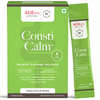 Consti Calm | Constipation Relief & Digestive Comfort | For Seniors | 20 Sachets
₹949 – ₹3,796
Consti Calm | Constipation Relief & Digestive Comfort | For Seniors | 20 Sachets
₹949 – ₹3,796
 Gut Balance | Leaky Gut & Microbial Balance | For Seniors | 15 Sachets
₹749 – ₹2,996
Gut Balance | Leaky Gut & Microbial Balance | For Seniors | 15 Sachets
₹749 – ₹2,996












Leave a comment