


Bloating is often dismissed as a simple side effect of eating.
But anyone who experiences it regularly knows it can feel far more uncomfortable than just being full. The pressure, tightness, and visible swelling can disrupt your day and leave you wondering what went wrong.
The truth is that bloating usually reflects underlying bloating causes such as gut imbalance, slower digestion, and certain foods that trigger bloating more than others.
For many people, especially when looking at the common causes of bloating in women, hormones, digestion, and microbiome health all intersect in complex ways.
Once these factors are understood, managing digestive discomfort becomes far more straightforward.
Myth 1: Bloating Only Happens When You Overeat

This is one of the most common beliefs. Many people assume bloating simply means they ate too much food.
While overeating can certainly stretch the stomach temporarily, it is far from the only reason bloating happens. In fact, some of the most frequent bloating causes appear even after relatively small meals.
Several internal processes can contribute to post-meal bloating:
-
Slower stomach emptying: When the stomach releases food into the intestines more slowly than usual, it can create a feeling of fullness and pressure that contributes to bloating (NIH).
-
Gas production during fermentation: When gut bacteria break down undigested carbohydrates, they produce gases that can build up in the intestines and lead to bloating (NIH).
-
Poor food breakdown due to low digestive enzymes: Insufficient digestive enzymes can prevent food from being fully broken down, allowing it to ferment in the gut and cause bloating (NIH).
-
Fluid retention in the digestive tract: Temporary fluid buildup in the digestive system can create abdominal swelling and contribute to the sensation of bloating (NIH).
When food is not fully broken down, gut bacteria begin fermenting undigested carbohydrates. This fermentation produces gas, which expands inside the intestines and leads to digestive discomfort.
This is why someone might feel bloated even after a healthy smoothie or a salad. The issue is not always the quantity of food. Often it is how efficiently the digestive system processes it.
Myth 2: Healthy Foods Cannot Cause Bloating

Many people are surprised when nutritious foods like beans, broccoli, or whole grains lead to bloating. But this reaction does not mean these foods are unhealthy.
Instead, they often contain fermentable fibers that gut bacteria actively break down. During this process, gases such as hydrogen and methane are produced.
These types of foods are often listed among foods that trigger bloating, including:
-
Beans and lentils
-
Cruciferous vegetables (broccoli, cabbage, cauliflower)
-
Onions and garlic
-
Carbonated beverages
-
Artificial sweeteners
-
Large amounts of dairy
For individuals with food intolerances, certain foods may be especially difficult to digest. Lactose intolerance, for example, occurs when the body lacks enough lactase enzyme to break down milk sugar. The undigested lactose then ferments in the gut, leading to gas and bloating.
Similarly, some people have sensitivity to certain carbohydrates known as FODMAPs, which can trigger digestive discomfort in sensitive digestive systems (NIH). Even nutrient-dense foods can cause temporary bloating depending on your gut environment.
Myth 3: Bloating Is Always a Food Problem

Food certainly plays a role, but digestion involves far more than what appears on your plate.
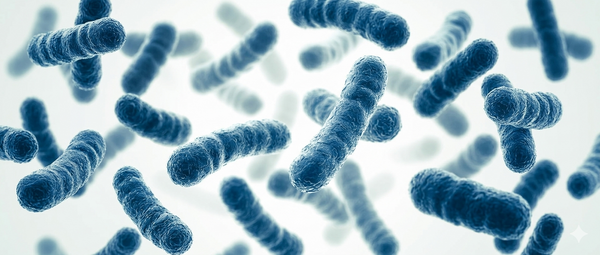
The human gut is a dynamic ecosystem made up of trillions of microbes. When the balance of beneficial and harmful bacteria shifts, it can lead to gut imbalance that affects digestion. This microbial imbalance may increase fermentation and gas production, contributing to frequent bloating.
Lifestyle factors also strongly influence digestion.
Some of the overlooked bloating causes include:
-
Chronic stress affecting gut motility
-
Eating too quickly and swallowing air
-
Low stomach acid levels
-
Poor hydration
-
Sedentary habits after meals
Stress is particularly powerful. The gut and brain communicate constantly through what scientists call the gut-brain axis. When stress hormones rise, digestion often slows down, which increases the likelihood of digestive discomfort and gas buildup (NIH).

Why Bloating Is So Common in Women

Interestingly, bloating is reported more frequently by women than men. There are several physiological reasons behind this pattern.
Hormonal fluctuations during the menstrual cycle can influence water retention, gut motility, and microbial balance. These shifts are among the common causes of bloating in women.
During the luteal phase of the menstrual cycle, rising progesterone levels can slow digestive movement. This slower transit may increase gas retention and create the sensation of abdominal fullness (NIH).
Additionally, women are statistically more likely to experience conditions such as irritable bowel syndrome (IBS), which is associated with frequent bloating and digestive discomfort (NIH).
Understanding these hormonal influences can help normalize the experience and encourage supportive lifestyle habits rather than unnecessary food restriction.
How to Reduce Bloating Fast

When bloating strikes, the goal is to relieve pressure in the digestive system and restore smooth movement through the gut.
If you are wondering how to reduce bloating fast, several simple strategies can help your digestive system reset.
1. Take a gentle walk: Light movement encourages intestinal motility and helps trapped gas move through the digestive tract.
2. Drink warm fluids: Warm water or herbal teas such as ginger or peppermint can support digestion and reduce abdominal tension.
3. Slow down your eating pace: Eating quickly increases air swallowing, which contributes to bloating. Chewing thoroughly can significantly improve food breakdown.
4. Support digestive enzymes: Certain individuals benefit from enzyme support that helps break down proteins, fats, and carbohydrates more efficiently.
5. Increase fiber gradually: Fiber is essential for gut health, but large sudden increases can temporarily increase gas production. Gradual adjustments allow gut microbes to adapt.
Over time, these practices can reduce repeated digestive discomfort and improve overall digestive efficiency.
Supporting Long-Term Gut Balance
Preventing bloating often requires nurturing the gut ecosystem itself. A balanced digestive environment can help reduce fermentation, improve nutrient absorption, and stabilize gut motility.
Key strategies include:
Eat a diverse range of plant foods: Dietary diversity feeds beneficial gut microbes and supports microbial balance.
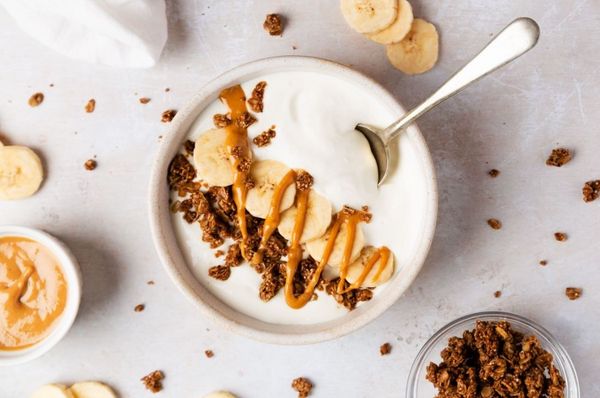
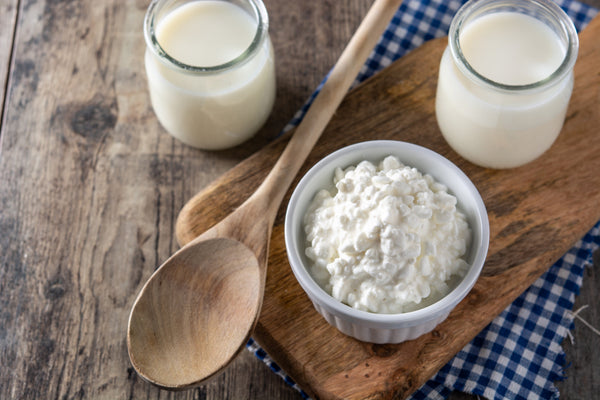
Include probiotic-rich foods: Fermented foods like yogurt, kefir, and kimchi introduce beneficial bacteria that may help restore gut imbalance.
Stay hydrated: Adequate hydration supports smoother digestion and helps fiber move effectively through the intestines.
Prioritize sleep and stress management: The gut responds strongly to nervous system signals. Better sleep and lower stress can improve digestive regulation.
Identify potential food triggers: Keeping a simple food journal can help identify foods that trigger bloating or worsen food intolerances.
For people who experience frequent bloating, targeted digestive support may also help ease symptoms and support gut comfort. One option is Wellbeing Nutrition Bloat Calm, designed to help relieve occasional bloating and digestive pressure.

What Makes This Bloating Support Unique:
-
Digestive botanical blend: Contains ingredients such as fennel, ginger, and peppermint, traditionally used to help relieve gas, support digestion, and soothe the gut.
-
Carminative herbs: These herbs help reduce gas formation and support smoother movement of gas through the digestive tract.
-
Convenient single-serve sachets: Easy-to-carry format designed for quick use whenever bloating or digestive discomfort strikes.
-
Targeted bloating support: Formulated specifically to help manage bloating, abdominal pressure, and gas-related digestive discomfort.
When combined with mindful eating habits and gut-friendly nutrition, solutions like this can help support a calmer, more balanced digestive system.
The Final Takeaway
Bloating is often treated like a nuisance symptom, but it is actually valuable feedback from the digestive system.
When you understand the real bloating causes, that uncomfortable fullness becomes easier to decode. Instead of guessing which food to eliminate next, you begin to recognize patterns involving digestion, microbial balance, and lifestyle habits.
With the right dietary choices, mindful eating habits, and gut-supportive nutrients, many people notice significant improvements in digestive discomfort and overall digestive comfort.
Your gut is not trying to sabotage your meals. In most cases, it is simply asking for better rhythm, balance, and support. And once you learn how to respond to those signals, bloating often stops being a mystery and starts becoming manageable.
FAQs
1. What are the most common bloating causes?
Some of the most common bloating causes include slower digestion, excess gas production during fermentation, gut imbalance, food intolerances, and eating habits such as eating too quickly or consuming large meals.
2. What foods commonly trigger bloating?
Several foods that trigger bloating include beans, cruciferous vegetables like broccoli and cabbage, onions, carbonated drinks, artificial sweeteners, and dairy for people with lactose intolerance.
3. Why is bloating more common in women?
The common causes of bloating in women often include hormonal fluctuations during the menstrual cycle, slower gut motility linked to progesterone, and a higher prevalence of digestive conditions like IBS.
4. Can healthy foods still cause bloating?
Yes, even healthy foods can cause temporary bloating because certain high-fiber foods ferment in the gut, producing gas that may lead to digestive discomfort, especially in sensitive digestive systems.
5. How can you reduce bloating fast?
If you are wondering how to reduce bloating fast, simple steps like walking after meals, drinking warm herbal teas, eating slowly, staying hydrated, and supporting digestion with enzymes may help relieve pressure in the gut.
6. Can gut imbalance cause frequent bloating?
Yes, gut imbalance occurs when beneficial and harmful gut bacteria are out of balance, which can increase fermentation, gas production, and recurring bloating after meals.
7. When should you be concerned about persistent bloating?
Occasional bloating is common, but persistent or severe bloating along with symptoms like pain, unexplained weight loss, or digestive changes should be evaluated by a healthcare professional.










Leave a comment