


You start probiotics with a clear intention. Better digestion. A calmer gut. Stronger immunity. Maybe even clearer skin or steadier energy.
You add probiotic capsules to your routine, or you begin using prebiotic and probiotic tablets, expecting the good bacteria to quietly settle in and do their work.
But here’s the part most people never consider.
Probiotics don’t work in isolation. They live, compete, and survive inside a complex digestive ecosystem. And what you eat every day can either help them thrive or silently undo their benefits.
If you’re investing in gut health, knowing the foods to avoid with probiotics matters just as much as knowing what to eat. Let’s unpack the science behind it, without fear-mongering, without food shaming, just clarity.
Why Food Choices Matter When You Take Probiotics
Probiotics are living microorganisms. They are sensitive to acidity, sugar levels, chemical preservatives, and even temperature.
When you take probiotic capsules or consume probiotic rich food, these beneficial strains need a supportive environment to survive stomach acid, attach to the gut lining, and multiply.
Certain foods interfere with this process by:
-
Feeding harmful gut bacteria instead
-
Increasing gut inflammation
-
Disrupting microbial balance
-
Reducing probiotic survival and colonisation
This doesn’t mean these foods are “bad forever.” It simply means timing and awareness matter when your goal is to unlock full probiotics benefits.
1. Excess Refined Sugar and Sugary Foods

Sugar is one of the biggest silent disruptors of gut balance. High intake of refined sugar feeds opportunistic and harmful bacteria and yeast in the gut, allowing them to outcompete beneficial probiotic strains (NIH).
When sugar dominates the gut environment, probiotics struggle to establish themselves.
This includes:
-
Sugary desserts and sweets
-
Sweetened breakfast cereals
-
Soft drinks and packaged juices
-
Hidden sugars in sauces and condiments
While probiotics aim to restore balance, excess sugar tilts the scale in the opposite direction, reducing their effectiveness.
2. Ultra-Processed and Packaged Foods

Highly processed foods are engineered for shelf life, not gut life. They often contain emulsifiers, preservatives and refined oils that disrupt the gut lining and microbial diversity.
Studies show that many food additives can alter gut bacteria composition, increasing inflammation and reducing beneficial strains (NIH).
If you’re taking prebiotic and probiotic tablets or pairing probiotics with a Dietary Fiber Supplement, ultra-processed foods can blunt the impact by creating a hostile gut environment.
Occasional consumption is fine. Daily reliance is not.
3. Excess Alcohol

Alcohol doesn’t just stress your liver, it directly affects your gut microbiome.
Regular or excessive alcohol intake can (NIH):
-
Increase gut permeability by loosening tight junctions in the intestinal lining, allowing toxins and microbes to pass through more easily
-
Reduce beneficial bacterial populations by creating an acidic, hostile environment that suppresses probiotic growth
-
Promote inflammation by triggering immune responses and oxidative stress within gut tissues
-
Interfere with probiotic survival by damaging bacterial cell membranes and reducing their ability to colonise the gut
When consumed alongside probiotic capsules, alcohol can cancel out much of their restorative effect. If gut healing is your goal, probiotics and alcohol should not be regular companions.
4. Very Hot Foods and Drinks Around Probiotic Intake

This is less talked about, but surprisingly important. Probiotics are heat-sensitive. Very hot beverages or foods consumed immediately with or after probiotics can reduce bacterial viability (NIH).
This includes:
-
Extremely hot tea or coffee
-
Boiling-hot soups
-
Freshly heated drinks
For best results, take probiotics with room-temperature water or alongside a light meal, allowing the bacteria a better chance of survival.
5. Artificial Sweeteners

Artificial sweeteners may appear calorie-free, but they’re not microbiome-neutral. Emerging research suggests that sweeteners like sucralose, saccharin, and aspartame can negatively alter gut bacterial balance and glucose metabolism (NIH).
When you’re working to improve gut diversity through probiotic rich food or supplements, artificial sweeteners can subtly push the microbiome in the opposite direction.
Natural moderation always wins over chemical shortcuts.
6. Excessive Fried and Greasy Foods

High-fat, heavily fried foods slow digestion and increase inflammation in the gut lining.
This can (NIH):
-
Reduce probiotic adhesion by creating an inflamed gut lining that makes it harder for beneficial bacteria to attach and colonise
-
Promote harmful bacterial growth by supplying excess fat and inflammatory compounds that favour opportunistic microbes
-
Impair gut barrier integrity by weakening tight junctions between intestinal cells, increasing permeability and irritation
Occasional indulgence won’t ruin your progress. But a consistently greasy diet makes it harder for probiotics to deliver long-term probiotics benefits.
7. Overuse of Antibacterial Foods and Herbs

Some foods have strong antimicrobial properties. While beneficial in small amounts, excess use can also affect good bacteria (NIH).
This includes large, frequent doses of:
-
Raw garlic
-
Very high-strength herbal extracts
-
Antimicrobial supplements
Probiotics work best in balance, not in a battlefield environment.
What You Should Focus On Instead
Avoidance alone doesn’t build a healthy gut. Support does.
To help probiotics work effectively:
-
Pair probiotic capsules with gentle, whole meals
-
Include fermentable fibers from fruits, vegetables, and whole grains
-
Use a Dietary Fiber Supplement if your intake is low
-
Consume probiotic rich food like curd, kefir, or fermented vegetables when tolerated
Fiber acts as fuel, allowing probiotics to grow, colonise, and strengthen gut resilience.
Timing Matters More Than Perfection
You don’t need a restrictive diet to benefit from probiotics. What matters is consistency, balance, and awareness of the foods to avoid with probiotics during your gut-reset phase.
A supportive diet allows probiotics to:
-
Restore microbial diversity by providing fermentable fibers that help beneficial bacteria grow and balance harmful strains
-
Improve digestion and nutrient absorption by supporting enzyme activity and maintaining a healthy gut lining
-
Strengthen immune signalling by enhancing communication between gut microbes and immune cells
-
Reduce bloating and discomfort over time by stabilising fermentation patterns and lowering gut inflammation
Gut health isn’t built overnight. It’s shaped by daily choices that quietly compound.
The Final Takeaway
Probiotics are powerful, but they’re not magic. They need the right internal environment to work, and that environment is shaped by what you eat, drink, and repeat every day.
By reducing sugar, processed foods, excess alcohol, and chemical additives, you allow probiotics to do what they’re designed to do, restore balance from the inside out.
Because when gut health improves, everything else follows. Energy feels steadier. Digestion feels lighter. And your body finally feels supported, not corrected.
That’s the real promise behind probiotics, when you let them work in harmony with your plate.
FAQs
1. What are the main foods to avoid with probiotics?
The most important foods to avoid with probiotics include excess refined sugar, ultra-processed foods, alcohol, artificial sweeteners, and heavily fried meals. These can disrupt gut balance and reduce the survival and effectiveness of beneficial probiotic strains.
2. Can sugary foods reduce probiotics benefits?
Yes. High sugar intake feeds harmful gut bacteria and yeast, allowing them to outcompete probiotics. This makes it harder for probiotic capsules to colonise the gut and deliver long-term probiotics benefits.
3. Is it safe to drink alcohol while taking probiotic capsules?
Occasional alcohol may not cause harm, but regular or excessive intake can damage the gut lining, reduce beneficial bacteria, and interfere with the action of probiotic capsules, slowing gut recovery.
4. Should hot foods or drinks be avoided when taking probiotics?
Yes. Probiotics are heat-sensitive. Very hot tea, coffee, or soups consumed around probiotic intake may reduce bacterial viability. For best results, take prebiotic and probiotic tablets with room-temperature water or a light meal.
5. Do artificial sweeteners affect probiotic effectiveness?
Artificial sweeteners like sucralose and aspartame may negatively alter gut microbiota. When combined with probiotic rich food or supplements, they can quietly counteract gut-balancing efforts.
6. Can fried and greasy foods interfere with probiotics benefits?
Frequent consumption of fried foods increases gut inflammation and slows digestion, which can reduce probiotic adhesion and growth. This makes it harder to experience consistent probiotics benefits over time.
7. What foods support probiotics instead of harming them?
To support probiotics, focus on whole foods rich in natural fiber, fermented foods, and plant diversity. Pair probiotic capsules with fruits, vegetables, whole grains, or a Dietary Fiber Supplement to help beneficial bacteria grow and thrive.

Recommended Products
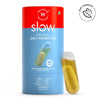 Daily Probiotic Slow
₹1,357 – ₹2,658
Daily Probiotic Slow
₹1,357 – ₹2,658
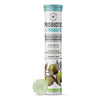 Probiotic + Prebiotic
₹664 – ₹3,355
Probiotic + Prebiotic
₹664 – ₹3,355
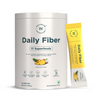 Daily Fiber | Pina Colada Flavour
₹872 – ₹1,708
Daily Fiber | Pina Colada Flavour
₹872 – ₹1,708
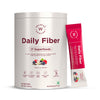 Daily Fiber | Vanilla Berry Flavour
₹872 – ₹1,708
Daily Fiber | Vanilla Berry Flavour
₹872 – ₹1,708










Leave a comment