


Water is essential for nearly every stage of digestion. It helps break down food, transport nutrients, and keep stools soft enough to pass comfortably.
When water intake in seniors is low, the colon pulls extra water from waste material. This can lead to hard stools and slower bowel movements.

Adequate hydration helps maintain lubrication inside the digestive tract and supports the muscular contractions responsible for gut motility in the elderly.
Simply increasing fluid intake can often be one of the most effective ways to improve digestive comfort.
1. Start the Day With Warm Water

One of the easiest digestive support habits is beginning the day with warm water.
Warm fluids help stimulate digestive activity and gently activate intestinal movement after the overnight fasting period.
Many seniors find that drinking warm water in the morning supports gut motility after 60 and encourages regular bowel movements.
Adding a small squeeze of lemon can further support digestion.
2. Space Your Water Intake Throughout the Day

For effective hydration for digestion in seniors, water should be consumed steadily throughout the day rather than all at once.
Taking small sips every hour helps maintain hydration levels and supports digestive processes consistently.
Experts often emphasize that maintaining steady water intake for seniors is far more beneficial than drinking large amounts infrequently.
3. Include Water Rich Foods

Many fruits and vegetables naturally support hydration and digestion.
Foods that contain high water content include:
- Cucumbers
- Oranges
- Papaya
- Watermelon
-
Vegetable soups
These foods contribute to hydration for digestion in seniors while also providing fiber and digestive nutrients.
4. Walk After Meals

Movement plays an important role in digestion. Physical activity stimulates the muscles that help move food through the digestive system.
Even light activity like walking after meals can improve gut motility in the elderly.
A simple 15–20 minute walk after meals can significantly improve digestion and reduce bloating.
5. Increase Fiber Gradually

Fiber supports healthy digestion, but it should be introduced slowly.
Suddenly increasing fiber intake can cause gas and bloating, especially if hydration levels are low.
Foods rich in fiber include:
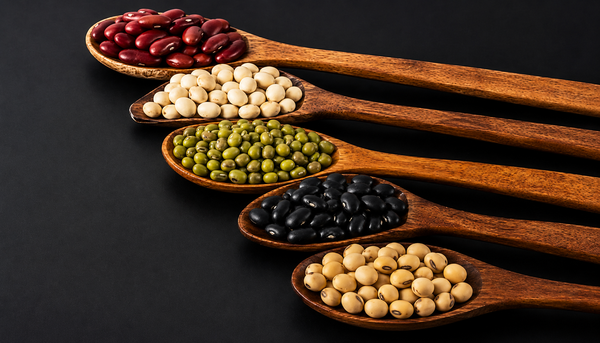
- Oats
- Vegetables
- Lentils
- Whole grains
- Seeds
When fiber intake increases, maintaining good hydration for digestion in seniors becomes even more important.
6. Maintain Regular Meal Timing

The digestive system responds well to routine. Eating meals at similar times every day helps regulate digestive rhythms.
Irregular eating patterns may slow gut motility in the elderly and contribute to digestive discomfort.
Consistent meal timing supports smoother digestion and improved bowel regularity.
7. Limit Dehydrating Drinks

Beverages such as tea and coffee can contribute to dehydration if consumed in excess.
Balancing these drinks with sufficient water helps maintain healthy water intake in seniors and supports better digestion.
8. Prefer Warm and Easy to Digest Foods

Warm foods such as soups, stews, and lightly cooked vegetables tend to be easier on the digestive system.
These meals help support digestive comfort and gut motility after 60, especially for individuals experiencing frequent bloating or sluggish digestion.
Small Hydration Habits That Make a Big Difference

For many seniors, improving digestion begins with simple hydration awareness.
Keeping water within reach, sipping regularly, eating hydrating foods, and incorporating gentle movement can dramatically improve hydration for digestion in seniors.
These small daily adjustments support the digestive system and help restore natural gut rhythm.
In some cases, seniors may also benefit from gentle microbiome support alongside these habits. Formulations such as Wellbeing Nutrition Gut Balance, designed specifically for senior gut health, combine researched probiotic strains, prebiotics, digestive enzymes, and L-Glutamine to help restore microbial balance and support digestion and nutrient absorption.
For those experiencing occasional constipation, Wellbeing Nutrition Consti Calm offers a natural approach using kiwifruit extract (Actazin®), targeted prebiotics, and traditional digestive botanicals to support bowel regularity and digestive comfort without harsh stimulation.
The Bottom Line
Digestive discomfort after 60 is common, but it is not something that seniors have to accept as inevitable.
Many cases of slow digestion are closely connected to hydration habits and lifestyle routines.
Improving water intake in seniors, following simple digestive support habits, and supporting gut motility in the elderly through movement and balanced nutrition can significantly improve digestive comfort.
Sometimes, the simplest daily habits make the biggest difference in maintaining healthy digestion and overall wellbeing.
FAQs
1. How does hydration improve digestion in seniors?
Proper hydration for digestion in seniors helps soften stool, support intestinal contractions, and improve nutrient absorption. Adequate fluid intake keeps the digestive tract lubricated and supports smoother bowel movement.
2. How much water should seniors drink daily?
Most experts recommend 1.5 to 2 liters of water intake for seniors per day, although needs may vary depending on activity level, medications, and climate.
3. Why is gut motility slower in the elderly?
With age, digestive muscles and nerve signaling slow down, which can reduce gut motility in the elderly. Lower physical activity, dehydration, and certain medications can further contribute to sluggish digestion.
4. What are the best tips to improve gut motility after 60?
Effective tips to improve gut motility after 60 include drinking enough water, increasing fiber intake gradually, walking daily, maintaining regular meal timing, and supporting gut microbiome balance.
5. What foods improve digestion in seniors?
Fiber rich foods like oats, vegetables, lentils, fruits, and fermented foods help improve digestive health and gut motility in older adults.
6. Can dehydration cause constipation in seniors?
Yes. Low water intake in seniors is one of the most common reasons for constipation because the colon absorbs more water from stool, making it harder to pass.
7. What are the signs of poor hydration in elderly people?
Common signs include dry mouth, fatigue, dizziness, headaches, dark urine, and digestive issues such as constipation or bloating.
8. What drinks are best for hydration in seniors?
Water, coconut water, herbal teas, soups, and fruit infused water support hydration for digestion in seniors and help maintain electrolyte balance.
9. Does walking help digestion in seniors?
Yes. Light physical activity stimulates intestinal movement and supports gut motility in the elderly, helping reduce bloating and improve bowel regularity.
10. Why do seniors often experience digestive issues?
Digestive efficiency declines with age due to slower gut motility, reduced digestive enzymes, lower hydration levels, and changes in gut microbiome composition.
11. What is the fastest way to relieve constipation in seniors?
Increasing hydration, adding fiber rich foods, staying physically active, and maintaining regular meal schedules are some of the most effective ways to relieve constipation naturally.
12. Do warm drinks improve digestion?
Yes. Warm drinks like herbal teas or warm water can stimulate digestive activity and support gut motility after 60, especially when consumed in the morning.
13. Are soups good for digestion in seniors?
Yes. Soups provide hydration, nutrients, and are easier to digest, making them a supportive food choice for digestive health in older adults.
14. How does fiber help gut motility?
Fiber adds bulk to stool and helps move food through the intestines more efficiently, supporting healthy bowel movement and digestive regularity.
15. Why should seniors avoid dehydration?
Dehydration can worsen constipation, reduce nutrient absorption, impair digestion, and affect overall energy levels and wellbeing.
16. What lifestyle habits improve digestion in seniors?
Healthy digestive support habits include drinking enough water, eating fiber rich foods, staying active, maintaining consistent meal timing, and supporting gut microbiome health.
17. Can hydration reduce bloating?
Yes. Adequate hydration helps regulate digestion and reduce gas buildup, which can minimize bloating and digestive discomfort.
18. Do seniors need probiotic support for gut health?
Changes in gut bacteria occur with aging. In some cases, targeted microbiome support such as clinically researched probiotic formulations may help maintain digestive balance and support nutrient absorption.
19. Are natural supplements helpful for constipation in seniors?
Certain natural formulations using ingredients like kiwifruit extract, prebiotics, and digestive botanicals may support bowel regularity and stool softening without harsh stimulation when combined with proper hydration and fiber intake.
20. How can seniors maintain healthy digestion daily?
Maintaining proper hydration for digestion in seniors, eating balanced meals, staying physically active, and supporting gut microbiome balance are key strategies for maintaining digestive comfort and regularity after 60.

Recommended Products
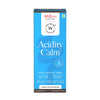 Acidity Calm | Acid Reflux & Heartburn Relief | For Seniors | 15 Sachets
₹649 – ₹2,596
Acidity Calm | Acid Reflux & Heartburn Relief | For Seniors | 15 Sachets
₹649 – ₹2,596
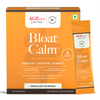 Bloat Calm | Bloating & Gas Relief | For Seniors | 15 Sachets
₹649 – ₹2,596
Bloat Calm | Bloating & Gas Relief | For Seniors | 15 Sachets
₹649 – ₹2,596
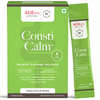 Consti Calm | Constipation Relief & Digestive Comfort | For Seniors | 20 Sachets
₹949 – ₹3,796
Consti Calm | Constipation Relief & Digestive Comfort | For Seniors | 20 Sachets
₹949 – ₹3,796
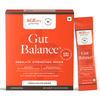 Gut Balance | Leaky Gut & Microbial Balance | For Seniors | 15 Sachets
₹749 – ₹2,996
Gut Balance | Leaky Gut & Microbial Balance | For Seniors | 15 Sachets
₹749 – ₹2,996









Leave a comment