


It often begins quietly. A missed bowel movement. A little bloating. A feeling of heaviness that lingers through the day.
For many older adults, constipation slowly becomes a daily struggle rather than an occasional inconvenience. In fact, research published by the National Institute on Aging suggests that up to 40% of adults over 65 experience chronic constipation. In nursing homes, that number can climb close to 70%.
The reason is simple. The digestive system changes with age.
Muscles that move food through the intestines weaken. The gut microbiome loses diversity. Stomach acid declines, slowing digestion. Many seniors also take medications that reduce bowel motility. Add lower physical activity and reduced appetite, and the gut simply stops moving the way it once did.
This is why natural constipation relief for seniors focuses on restoring movement inside the digestive tract rather than forcing it with harsh laxatives.
The good news is that several home remedies for constipation work remarkably well when used consistently. Below are the most effective, science-backed strategies for safe constipation relief for elderly at home.
Why Constipation Becomes More Common With Age

Before exploring solutions, it helps to understand what changes inside the body.
As people age, several digestive shifts occur:
• Slower intestinal contractions reduce stool movement
• Reduced digestive enzymes slow food breakdown
• Lower fiber intake due to smaller meals
• Dehydration, which hardens stools
• Medication side effects including opioids, calcium supplements and antacids

At the cellular level, nerve signaling between the gut and brain also becomes less responsive. This reduces the natural urge to pass stools.
These factors make it essential to adopt natural constipation relief for seniors that gently stimulate the digestive system.
1. Increase Fiber Intake Gradually

If there is one nutritional change that consistently improves bowel movements in seniors, it is fiber.
Fiber adds bulk to stool and helps it retain water, making it easier to pass. Yet most elderly individuals consume only half of the recommended daily intake.
The World Health Organization recommends around 25–30 grams of fiber daily, but many seniors barely reach 12–15 grams.
This makes fiber for elderly digestion one of the most powerful tools for constipation relief.
Excellent natural sources include:
• Oats
• Chia seeds
• Flaxseeds
• Apples
• Pears
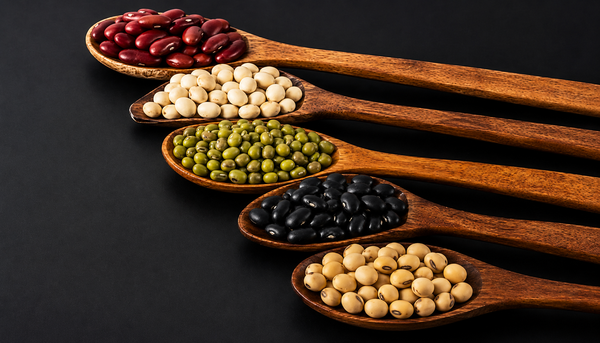
• Lentils
• Whole grains
• Vegetables such as spinach and broccoli
Soluble fiber forms a gel that softens stools, while insoluble fiber adds bulk that stimulates intestinal movement.
Increasing fiber slowly is important. A sudden jump may cause bloating or discomfort.
For seniors struggling with low appetite, fiber supplements can also be useful for safe constipation relief for elderly at home.
2. Hydration Is Non-Negotiable

One of the most overlooked causes of constipation in seniors is dehydration.
As people age, the body’s thirst signals weaken. Many older adults simply do not feel thirsty even when their body needs water.
Without enough fluid, the colon pulls water from stool, making it hard and difficult to pass.
Aiming for 6–8 glasses of water daily significantly improves bowel movement frequency.
Warm liquids can be especially effective. A glass of warm water in the morning often stimulates intestinal contractions within minutes.
Herbal teas, vegetable broths, and infused water also help maintain hydration.
Proper hydration works synergistically with fiber for elderly digestion, ensuring stools remain soft and easy to pass.
3. Gentle Physical Activity Stimulates the Gut

Movement activates the digestive tract.
Even light exercise improves peristalsis, the rhythmic muscle contractions that push food through the intestines.
Studies from the American Gastroenterological Association show that walking for just 20–30 minutes daily can significantly reduce constipation symptoms in older adults.
Effective options include:
• Walking
• Light yoga
• Stretching routines
• Chair exercises
These activities stimulate abdominal muscles and encourage regular bowel movements.
For seniors seeking the best natural remedy for constipation in seniors, daily movement is often more effective than medication.
4. Prunes: The Classic Remedy That Still Works

Few home remedies for constipation have as much scientific support as prunes.
Prunes contain three powerful components:
• Fiber, which adds bulk
• Sorbitol, a natural stool softening sugar alcohol
• Polyphenols, which support gut bacteria
Clinical research shows that consuming 5–7 prunes daily improves stool frequency and consistency.
Sorbitol draws water into the intestines, acting as a natural stool softener for seniors without the side effects of synthetic laxatives.
Prune juice can also work, though whole prunes provide more fiber.
5. Healthy Fats Lubricate the Digestive System

Healthy fats act as natural lubricants for the digestive tract.
They stimulate bile production, which helps stools move smoothly through the intestines.
Adding small amounts of the following foods can provide natural constipation relief for seniors:
• Olive oil
• Avocado
• Nuts and seeds
• Coconut oil
A simple morning remedy involves taking one teaspoon of olive oil on an empty stomach, which can gently stimulate bowel movements.
6. Probiotics Restore Gut Balance

The gut microbiome plays a critical role in bowel regularity.
With age, beneficial bacteria decline while less helpful microbes become more dominant.
This imbalance can slow digestion and contribute to constipation.
Probiotic-rich foods help restore microbial balance and improve stool frequency.
Some effective options include:
• Yogurt with live cultures
• Kefir
• Fermented vegetables
• Sauerkraut
Research shows probiotics increase intestinal motility and improve stool consistency in elderly individuals.
They are often included in safe constipation relief for elderly at home protocols because they support digestive health long term.
7. Magnesium-Rich Foods Support Bowel Movement

Magnesium naturally relaxes intestinal muscles and draws water into the colon.
This makes it one of the most effective natural compounds for constipation.
Foods rich in magnesium include:
• Pumpkin seeds
• Almonds
• Spinach
• Dark chocolate
• Bananas
These foods gently stimulate bowel movements without acting as harsh laxatives.
For seniors who struggle with chronic constipation, magnesium intake can provide steady digestive support.

When Natural Remedies Are Used Consistently
The most effective approach is combining several strategies:
• Adequate fiber for elderly digestion
• Proper hydration
• Gentle daily movement
• Gut-supporting foods like prunes and probiotics
This holistic routine restores natural bowel rhythm rather than forcing it artificially.
Most seniors begin noticing improvements within 1–2 weeks.
For seniors who need additional digestive support, certain targeted formulations can complement these lifestyle strategies.
One such example is Consti Calm, a natural gut laxative designed specifically for seniors. Its formulation centers on Actazin®, a clinically studied organic green kiwifruit extract rich in the enzyme actinidin.

This compound supports digestive breakdown of food while helping regulate bowel movement patterns.
A Gentle Approach Works Best
Constipation in older adults is common, but it does not have to become a permanent problem.
The digestive system may slow with age, but it still responds remarkably well to the right support.
By focusing on natural constipation relief for seniors, increasing fiber for elderly diets, and choosing safe constipation relief for elderly at home, many seniors can restore comfortable digestion without relying on harsh medications.
Sometimes the best natural remedy for constipation in seniors is simply helping the gut return to the rhythm it once had.
And when that rhythm returns, so does the comfort, energy, and ease that makes everyday life feel lighter again.
FAQs
1. What is the best natural remedy for constipation in seniors?
The best natural remedy for constipation in seniors usually combines several lifestyle changes such as increasing fiber for elderly digestion, staying well hydrated, and maintaining gentle physical activity like walking. Natural foods such as prunes, flaxseeds, and probiotic-rich yogurt are also commonly recommended for improving bowel regularity.
2. What causes constipation in elderly people?
Constipation in older adults is often linked to slower intestinal muscle contractions, lower fiber intake, dehydration, reduced physical activity, and certain medications. These age-related digestive changes make natural constipation relief for seniors an important part of daily gut care.
3. How much fiber should seniors eat for constipation relief?
Most experts recommend 25–30 grams of fiber daily for digestive health. Increasing fiber for elderly diets through whole grains, fruits, vegetables, seeds, and legumes helps add bulk to stool and supports smoother bowel movements.
4. What are the safest home remedies for constipation in elderly people?
Some of the most effective home remedies for constipation include eating prunes, drinking warm water in the morning, adding flaxseeds or chia seeds to meals, consuming probiotic foods, and maintaining regular physical activity. These approaches support safe constipation relief for elderly at home.
5. Are stool softeners safe for seniors?
A stool softener for seniors can sometimes help when stools become hard or difficult to pass. However, many doctors recommend starting with dietary fiber, hydration, and natural remedies before using regular laxatives.
6. Which fruits help relieve constipation in seniors?
Certain fruits are particularly helpful for natural constipation relief for seniors because they contain both fiber and natural sugars that stimulate bowel movement. These include prunes, pears, apples, kiwi, and figs.
7. Can dehydration cause constipation in elderly adults?
Yes. Dehydration is one of the most common causes of constipation in seniors. When the body lacks fluids, the colon absorbs more water from stool, making it hard and difficult to pass. Proper hydration is essential for safe constipation relief for elderly at home.
8. What foods should seniors avoid if they are constipated?
Highly processed foods, excessive dairy, refined flour products, and low-fiber snacks can worsen constipation. Seniors experiencing digestive sluggishness benefit from focusing on fiber-rich foods that support natural constipation relief for seniors.
9. How long does it take natural remedies to relieve constipation?
Most home remedies for constipation start improving bowel regularity within a few days to two weeks, especially when fiber intake, hydration, and physical activity are increased consistently.
10. Is daily walking helpful for constipation in seniors?
Yes. Even light physical activity like walking stimulates intestinal muscles and helps food move through the digestive tract. Daily movement is considered one of the most effective ways to support natural constipation relief for seniors and improve overall gut function.

Recommended Products
 Consti Calm | Constipation Relief & Digestive Comfort | For Seniors | 20 Sachets
₹949 – ₹3,796
Consti Calm | Constipation Relief & Digestive Comfort | For Seniors | 20 Sachets
₹949 – ₹3,796
 Acidity Calm | Acid Reflux & Heartburn Relief | For Seniors | 15 Sachets
₹649 – ₹2,596
Acidity Calm | Acid Reflux & Heartburn Relief | For Seniors | 15 Sachets
₹649 – ₹2,596
 Gut Balance | Leaky Gut & Microbial Balance | For Seniors | 15 Sachets
₹749 – ₹2,996
Gut Balance | Leaky Gut & Microbial Balance | For Seniors | 15 Sachets
₹749 – ₹2,996
 Bloat Calm | Bloating & Gas Relief | For Seniors | 15 Sachets
₹649 – ₹2,596
Bloat Calm | Bloating & Gas Relief | For Seniors | 15 Sachets
₹649 – ₹2,596















Leave a comment