


Have you ever noticed how a bad stomach day does not just wreck your digestion, it wrecks your whole day? You feel heavy, sluggish, irritable, and somehow exhausted even if you slept eight hours. You cannot focus. You do not want to move. Everything feels like a little too much effort.
Most people chalk that up to stress, bad sleep, or just "one of those days." But here is what is actually happening: your gut is talking to you. Chances are, you have been ignoring it for a while.
The connection between your digestive health and your energy levels is one of the most underappreciated relationships in the human body. Once you understand it, so many things, the afternoon slumps, the brain fog, the random bloating, suddenly start to make a lot of sense.
Your Gut Does a Lot More Than Digest Food

Let us start with the basics. Most of us think of the gut as a processing plant: food goes in, gets broken down, nutrients come out, and waste leaves. Simple enough.
Except it is far more complex than that.
Your gut is home to roughly 38 trillion bacteria, a whole ecosystem called the gut microbiome. These bacteria do not just assist with digestion. They produce vitamins. They regulate your immune system, about 70 percent of which resides in your gut. They communicate directly with your brain through something called the gut brain axis. Most importantly, they play a major role in how much energy your body is actually able to extract from the food you eat.
When that ecosystem is balanced and thriving, everything runs smoothly. When it is not, when harmful bacteria outnumber the beneficial ones, when your gut lining is compromised, and when your digestive enzymes are not doing their job, the ripple effects go far beyond your stomach.
The Gut Energy Connection Nobody Talks About Enough
Here is the part that surprises most people: fatigue is one of the most common and most overlooked symptoms of poor gut health.
Think about it. Your body gets its energy from nutrients. Those nutrients come from food. But here is the catch: eating nutritious food does not automatically mean your body is absorbing those nutrients. That process depends entirely on how well your gut is functioning.
If your gut lining is inflamed or leaky, nutrients pass through poorly. If you do not have enough digestive enzymes, food is not broken down properly before it reaches your intestines. If your microbiome is imbalanced, the beneficial bacteria that help with absorption are outnumbered and overwhelmed.
The result? You eat a full, decent meal and still feel tired two hours later. Your body is essentially running on less fuel than it should be, not because you are not eating enough, but because your gut is not absorbing efficiently.
Add to that the inflammation that comes with a disrupted microbiome. Chronic low grade gut inflammation increases the body's stress load, drains immune resources, and directly contributes to that deep, persistent tiredness that no amount of coffee seems to fix.
Signs Your Gut Is Asking for Help
Your gut communicates in ways most people do not immediately recognise as digestive signals. Some are obvious. Others are more subtle.
The obvious ones:
Bloating after meals, constipation or loose stools, excessive gas, acid reflux, stomach cramps, and food intolerances that seem to be increasing over the years.
The less obvious ones:
Persistent fatigue that does not improve with rest, brain fog and difficulty concentrating, frequent colds and infections due to compromised immunity, skin issues like acne or dullness, low mood and heightened anxiety, and that general feeling of sluggishness that you cannot quite explain.
If you are nodding along to more than two or three of these, your gut has probably been trying to get your attention for a while.
What You Can Do, Starting Today
The good news is that the gut is one of the most responsive systems in your body. Here is where to begin.
Eat to feed your microbiome, not just yourself

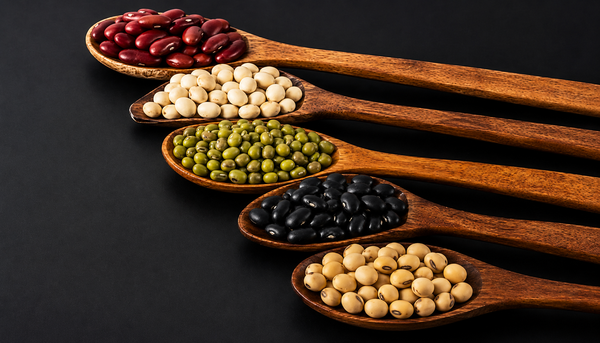
Your beneficial gut bacteria thrive on fibre, particularly from fruits, vegetables, legumes, and whole grains. Fermented foods like curd, kanji, and buttermilk introduce beneficial bacteria naturally. Cutting back on ultra processed foods and excess sugar helps reduce the growth of harmful bacteria and lowers inflammation.
Chew properly

It sounds simple, but most people swallow more than they chew. Digestion begins in the mouth, and rushing through meals places unnecessary strain on the digestive system. Slow down and allow your body time to process food properly.
Sort out your sleep

The gut microbiome follows a circadian rhythm. Disrupted sleep disrupts the microbiome, and the reverse is also true. Consistent, adequate sleep is essential for digestive health.
Manage stress because your gut is listening

The gut brain axis works both ways. Just as gut problems can affect your mood, chronic
stress can harm gut bacteria, increase intestinal permeability, and slow digestion. Whether it is walking, journaling, deep breathing, or yoga, treat stress management as part of your digestive health routine.
Hydrate properly

Water supports the mucosal lining of the intestines, helps move waste through the digestive tract, and maintains the environment your gut bacteria depend on. Many people are mildly dehydrated by afternoon without realising it, which contributes to fatigue and sluggish digestion.
When Diet Alone Is Not Enough
Here is where honesty matters. Modern life, with its processed foods, chronic stress, antibiotic use, and disrupted sleep patterns, has made it genuinely difficult to maintain optimal gut health through diet alone. For many people, the microbiome has already been disrupted enough that dietary changes alone produce slow results.
That is where targeted gut health supplementation can make a meaningful difference. The goal is not to replace healthy habits. It is to provide additional support that helps restore balance more efficiently and maintain it over time.
Wellbeing Nutrition's gut health range is one of the few in India built on strong clinical foundations, using globally researched probiotic strains, advanced delivery technologies designed to help probiotics reach the gut alive, prebiotics that support microbial diversity, and digestive enzymes that reduce the digestive workload.

What sets this approach apart is formulation integrity. Every ingredient is traceable, third party tested, and selected based on scientific evidence rather than marketing appeal. If you are serious about supporting your gut health, it is the kind of approach worth considering before choosing a generic probiotic.
The Bigger Picture
Gut health is not a niche wellness trend. It is foundational. Your immunity, energy, skin health, sleep quality, mood, and ability to focus are all closely linked to how well your gut functions.
When your gut is working well, life feels easier. You have more energy. You think more clearly. You recover faster. You feel more like yourself.
When it is not working well, the effects show up everywhere, often without an obvious explanation.
Your body has been leaving clues. The afternoon crash. The unpredictable stomach. The irritability after certain meals. The tiredness that does not make sense. These are not random inconveniences. They are signals your gut is trying to send.
It may be time to start paying attention.
FAQs
Q1. Can poor gut health really cause fatigue?
Yes, and this is more common than most people realise. When the gut microbiome is imbalanced or the gut lining is compromised, the body cannot absorb nutrients efficiently. Since energy production depends on nutrients like B vitamins, iron, and magnesium, poor absorption can directly lead to fatigue. In addition, gut inflammation sends stress signals throughout the body, contributing to that drained, run down feeling.
Q2. What is the gut brain axis and why does it matter?
The gut brain axis is a two way communication network between your gut and your brain, primarily through the vagus nerve and through chemical signals produced by gut bacteria. Your gut produces about 90 percent of the body's serotonin. This is why digestive problems often occur alongside low mood, anxiety, or brain fog, and why emotional stress frequently shows up as digestive symptoms.
Q3. What does a healthy gut actually feel like?
A healthy gut is typically associated with regular, comfortable bowel movements, minimal bloating or gas, comfortable digestion after meals, steady energy levels throughout the day, no persistent food intolerances, and a well functioning immune system with fewer infections and faster recovery. Many people do not realise how good their baseline can feel until they actively support their gut health.
Q4. What foods are best for gut health?
The most supportive foods for gut health include fibre rich vegetables and fruits, legumes such as dal and rajma, whole grains, and fermented foods like curd, buttermilk, idli, dosa, and pickled vegetables. These foods help nourish beneficial bacteria, support bowel regularity, and maintain the gut lining. Prebiotic foods such as garlic, onions, bananas, and oats are particularly valuable because they feed the beneficial bacteria already present in your gut.
Q5. How does stress affect digestion?
Chronic stress activates the body's fight or flight response, which directly slows digestive function. It reduces digestive enzyme production, decreases blood flow to the intestines, alters gut motility, and disrupts the microbiome over time. Many people notice that their digestive symptoms worsen during stressful periods, highlighting the close connection between the brain and the gut.
Q6. What are probiotics and do they actually work?
Probiotics are live beneficial bacteria that support the gut microbiome when consumed in adequate amounts. Scientific evidence is strongest for specific strains such as Lactobacillus rhamnosus and Bifidobacterium longum, particularly for improving microbial diversity, reducing bloating, supporting bowel regularity, and strengthening the gut lining. Not all probiotics are the same. The strain, dose, and delivery system all play a critical role in determining effectiveness.
Q7. What is leaky gut and how does it affect energy?
Leaky gut refers to increased intestinal permeability, where the gut lining becomes more porous than it should be. This allows toxins, bacteria, and undigested food particles to enter the bloodstream, triggering inflammation throughout the body. That systemic inflammation places additional strain on the body's resources and can contribute to fatigue, brain fog, skin concerns, and immune dysfunction. Supporting gut lining integrity with nutrients such as L Glutamine can help address this issue.
Q8. How quickly can gut health improvements be noticed?
Some changes, such as reduced bloating and improved bowel regularity, can be noticed within days of improving diet and hydration. Changes in the gut microbiome typically take four to eight weeks of consistent effort. Improvements in energy and mood often follow as nutrient absorption improves and inflammation decreases.
Q9. Does antibiotic use affect gut health long term?
Yes, significantly. Antibiotics eliminate bacteria broadly, including beneficial gut bacteria. A single course can reduce microbiome diversity for weeks or even months. Repeated antibiotic use over time can lead to more persistent disruption. Supporting the microbiome with targeted probiotics during and after antibiotic use can help restore balance more effectively.
Q10. Is it possible to have a gut problem without obvious digestive symptoms?
Absolutely. Many people with gut dysbiosis or increased intestinal permeability do not experience classic digestive symptoms. Instead, they may notice fatigue, frequent illness, skin problems, mood changes, or difficulty concentrating. These symptoms may not immediately suggest a digestive issue, which is why gut health is often described as a silent driver of overall wellbeing.

Recommended Products
 Acidity Calm | Acid Reflux & Heartburn Relief | For Seniors | 15 Sachets
₹649 – ₹2,596
Acidity Calm | Acid Reflux & Heartburn Relief | For Seniors | 15 Sachets
₹649 – ₹2,596
 Daily Greens
₹1,043 – ₹2,800
Daily Greens
₹1,043 – ₹2,800
 Daily Probiotic Slow
₹1,357 – ₹2,658
Daily Probiotic Slow
₹1,357 – ₹2,658
 Healthy Gut
₹649 – ₹1,298
Healthy Gut
₹649 – ₹1,298
 Gut Balance | Leaky Gut & Microbial Balance | For Seniors | 15 Sachets
₹749 – ₹2,996
Gut Balance | Leaky Gut & Microbial Balance | For Seniors | 15 Sachets
₹749 – ₹2,996
 Probiotic + Prebiotic
₹664 – ₹3,355
Probiotic + Prebiotic
₹664 – ₹3,355
















Leave a comment