


Let's be real. If you've hit your 60s or 70s, your stomach just does not work the way it used to. You eat the same dal-chawal you have had all your life, and suddenly you are bloated for two hours. You wake up feeling heavy even though dinner was light. You find yourself skipping foods you love because they just do not agree with you anymore.
You are not imagining it. And no, it is not "all in your head." Your digestive system genuinely changes with age, and understanding why that happens is the first step toward actually fixing it.
This guide is for every senior, every child of an ageing parent, and every caregiver who has watched someone struggle after meals and wondered what is really going on inside. Let us get into it.
First, Why Does Digestion Slow Down With Age?

Think of your digestive system as a relay race. Every organ, your stomach, small intestine, large intestine, liver, and pancreas, has to pass the baton perfectly for digestion to run smoothly. As we age, each of those runners slows down a little. When one slows, the whole race is affected.
Here is what is actually happening in the body:
1. The Gut Muscles Weaken
Your gut is essentially one long tube of muscle. It moves food along through a rhythmic squeezing motion called peristalsis. Over the decades, those muscles naturally lose some of their strength and coordination.
The result? Food moves through more slowly, causing constipation, bloating, and that uncomfortable "stuffed" feeling that lingers long after a meal.
2. Digestive Enzyme Production Drops
Your body produces enzymes, special proteins that break down food. The stomach makes fewer of them as you age. The pancreas, which produces enzymes to digest fats, proteins, and carbohydrates, becomes less productive too. This means food is not broken down as efficiently, which leads to nutrient malabsorption, gas from undigested food fermenting in the colon, and general digestive discomfort.
3. Stomach Acid Declines
You might think less stomach acid sounds like a good thing. Less acidity, right? But stomach acid is actually essential for triggering digestive processes, killing harmful bacteria in food, and activating the enzymes that digest protein. When acid levels drop, the whole digestive cascade gets thrown off.
4. The Gut Microbiome Changes Dramatically
This is the big one that most people do not talk about. Deep inside your gut, there are trillions of bacteria, your gut microbiome, that are absolutely central to your health.
In younger adults, a healthy microbiome is diverse, with many beneficial bacterial species working together. In older adults, that diversity naturally declines. Beneficial strains like Lactobacillus and Bifidobacterium decrease, while less friendly bacteria can take their place.
This microbial imbalance, called gut dysbiosis, is linked not just to digestive problems, but also to weakened immunity, increased inflammation, brain fog, and even mood changes.
"Your gut microbiome does not just manage digestion. It influences your immune system, your brain, your energy, and how well your body absorbs the nutrients it needs to thrive."
5. The Gut Lining Becomes More Permeable
The lining of your intestines acts as a selective barrier. It lets nutrients through while keeping harmful substances out. With age, this lining can weaken. When it does, the barrier becomes "leaky," allowing undigested food particles, toxins, and bacteria to pass into the bloodstream.
This condition, known as leaky gut or increased intestinal permeability, is increasingly recognised as a driver of chronic inflammation, immune dysfunction, and food sensitivities in older adults.
So What Can Seniors Actually Do About It?
The good news? Gut health is one of the most responsive systems in your body. Small, consistent changes can make a real difference.
Here is what the evidence supports:
Eat smaller, more frequent meals

Instead of three large meals, try five smaller ones. A smaller volume of food at any one time is easier for a slower digestive system to manage. It reduces bloating, prevents acid reflux, and keeps your energy more stable through the day.
Prioritise fibre, the right kinds

Fibre is essential for gut motility and feeding good bacteria. But not all fibre is created equal. Soluble fibre from oats, fruits, and legumes is generally gentler and more gut friendly for seniors than rough insoluble fibre. Aim for variety, introduced slowly to avoid sudden bloating.
Hydrate consistently

Constipation in older adults is very frequently related to dehydration. As we age, our thirst mechanism becomes less sensitive, so many seniors are mildly dehydrated without realising it.
Eight to ten glasses of water a day, especially between meals rather than during meals, can significantly improve bowel regularity.
Move your body

Even a 20 minute walk after meals stimulates gut motility. Physical activity literally helps move things along. It is not a metaphor. Light exercise is one of the most underrated tools for digestive health in seniors.
Manage stress actively

The gut brain axis is real. Your gut has its own nervous system, and chronic stress, whether from health worries, loneliness, or life changes, directly disrupts gut function.
Stress slows peristalsis, alters gut bacteria, and increases intestinal permeability. Yoga, breathing practices, meditation, and even regular social connection all support gut health.
Support your microbiome with probiotics and prebiotics

This is where targeted supplementation comes in, particularly for seniors who may not be getting adequate microbial diversity from food alone, or whose gut microbiome has been disrupted by antibiotics or long term medication use.
A Formula Built Specifically for the Senior Gut
Here is something worth knowing. Most probiotic supplements in the market are formulated for general adult use. They are not designed with the specific physiological needs of a 60+ digestive system in mind.
The type of probiotic strains that work best, the enzymes needed, and the gut lining support required are genuinely different for older adults.
That is what makes Wellbeing Nutrition Gut Balance stand out. It is one of the few gut health formulas in India that has been exclusively developed for seniors, not adapted from a general formula, but built from the ground up for the ageing digestive system.
Backed by over 20 clinical studies and manufactured at a USFDA registered facility, Gut Balance represents what genuinely science backed, senior specific gut health support should look like.
It is not the same probiotic your grandchildren take. It is something built with the 60+ gut in mind, and that difference is worth paying attention to.
The Bottom Line
Digestion slowing down with age is normal. But suffering through it, accepting years of bloating, constipation, poor absorption, and discomfort as inevitable, is not something you have to do.
The gut is remarkably responsive. Feed it the right bacteria, give it the enzymes it is no longer producing in abundance, strengthen its lining, and support it with prebiotics that help beneficial microbes thrive, and it will respond. Not overnight, but consistently and meaningfully.
Ageing well is not about fighting your body. It is about understanding what it needs now and meeting it there. Your gut has been working hard for decades. It is not too late to give it the support it deserves.
FAQs
Q1. Why does digestion get slower as we age?
As we get older, the muscles that move food through the digestive tract lose some strength and coordination. Stomach acid production declines, digestive enzyme output from the pancreas decreases, and the gut microbiome, the trillions of bacteria that support digestion, loses diversity.
All of these changes together mean food moves more slowly and is broken down less efficiently. It is normal, but it is also something you can actively support.
Q2. What is leaky gut and is it common in seniors?
Leaky gut, medically known as increased intestinal permeability, happens when the lining of your gut weakens and becomes more porous than it should be. This allows undigested food particles, toxins, and bacteria to seep into the bloodstream, triggering inflammation and immune responses.
It becomes more common with age due to a weakened gut lining, microbial imbalance, and chronic use of certain medications such as NSAIDs and antibiotics.
Q3. Are probiotics safe for elderly people?
Yes, probiotics are generally considered safe and well tolerated for older adults. In fact, they are particularly beneficial for seniors because the gut microbiome naturally declines with age, and probiotics help replenish beneficial bacterial strains.
Strains like Lactobacillus rhamnosus and Bifidobacterium longum have specifically been studied in elderly populations and have a strong safety profile. As always, if you have a serious health condition or are immunocompromised, consult your doctor first.
Q4. What foods should seniors eat for better gut health?
Fermented foods like curd, buttermilk, and idli support the microbiome with natural probiotics. Prebiotic rich foods like bananas, garlic, onions, and oats feed beneficial gut bacteria. Soluble fibre from fruits, legumes, and cooked vegetables improves bowel motility.
Staying well hydrated is equally important. Many digestive complaints in seniors are simply the result of chronic, mild dehydration.
Q5. How do I know if my gut microbiome is imbalanced?
Common signs of gut dysbiosis, or microbial imbalance, include persistent bloating and gas, irregular bowel movements such as constipation or diarrhoea, frequent digestive discomfort, increased food sensitivities, fatigue, brain fog, and getting sick more often than usual.
In seniors, these symptoms are frequently dismissed as "just part of ageing," but they are often the gut signalling that it needs support.
Q6. Can poor gut health affect the brain and mood in seniors?
Absolutely. The gut brain axis is a well documented two way communication system between the gut and the brain. An imbalanced gut microbiome affects the production of neurotransmitters like serotonin, about 90 percent of which is produced in the gut, and promotes inflammation that can reach the brain.
This is why many seniors with poor gut health also experience low mood, anxiety, mental fatigue, and even memory issues. Supporting the gut can have a meaningful ripple effect on mental wellbeing.
Q7. Why are digestive enzyme supplements helpful for older adults?
Digestive enzyme production from the pancreas and stomach naturally declines with age. When there are not enough enzymes, food, especially proteins and fats, is not broken down efficiently.
This leads to bloating, heavy post meal feelings, gas from fermentation, and poor nutrient absorption. Supplementing with enzymes like Papain from papaya and Bromelain from pineapple helps fill that gap, reducing the digestive burden and improving comfort after meals.
Q8. How long does it take to improve gut health?
Some improvements, such as reduced bloating and better bowel regularity, can be felt within the first few days to weeks of consistent support, especially with probiotics and digestive enzymes.
Deeper changes to the gut microbiome and gut lining integrity take longer, typically four to eight weeks of consistent daily effort through diet, hydration, movement, and supplementation. Think of gut health as a habit, not a one time fix.
Q9. Do medications affect gut health in seniors?
Yes, significantly. Many medications commonly taken by seniors, including antibiotics, proton pump inhibitors, NSAIDs, and certain blood pressure medications, can disrupt the gut microbiome, reduce stomach acid, or increase intestinal permeability.
If you have been on long term medication and are experiencing digestive issues, it is worth discussing with your doctor whether gut support is appropriate for your situation.
Q10. What makes a gut health supplement specifically suitable for seniors rather than a general probiotic?
The ageing gut has distinct needs. Seniors benefit most from probiotic strains that have specifically been studied in older populations, particularly Bifidobacterium strains, which decline most sharply with age.
A senior focused formula also needs to support gut lining integrity, often through nutrients like L Glutamine, include digestive enzymes to compensate for declining natural production, and use a delivery mechanism that helps probiotics survive stomach acid and reach the gut effectively.
Formulas like Wellbeing Nutrition Gut Balance are built with these considerations in mind rather than simply scaling up a product designed for younger adults.

Recommended Products
 Acidity Calm | Acid Reflux & Heartburn Relief | For Seniors | 15 Sachets
₹649 – ₹2,596
Acidity Calm | Acid Reflux & Heartburn Relief | For Seniors | 15 Sachets
₹649 – ₹2,596
 Bloat Calm | Bloating & Gas Relief | For Seniors | 15 Sachets
₹649 – ₹2,596
Bloat Calm | Bloating & Gas Relief | For Seniors | 15 Sachets
₹649 – ₹2,596
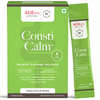 Consti Calm | Constipation Relief & Digestive Comfort | For Seniors | 20 Sachets
₹949 – ₹3,796
Consti Calm | Constipation Relief & Digestive Comfort | For Seniors | 20 Sachets
₹949 – ₹3,796
 Gut Balance | Leaky Gut & Microbial Balance | For Seniors | 15 Sachets
₹749 – ₹2,996
Gut Balance | Leaky Gut & Microbial Balance | For Seniors | 15 Sachets
₹749 – ₹2,996














Leave a comment